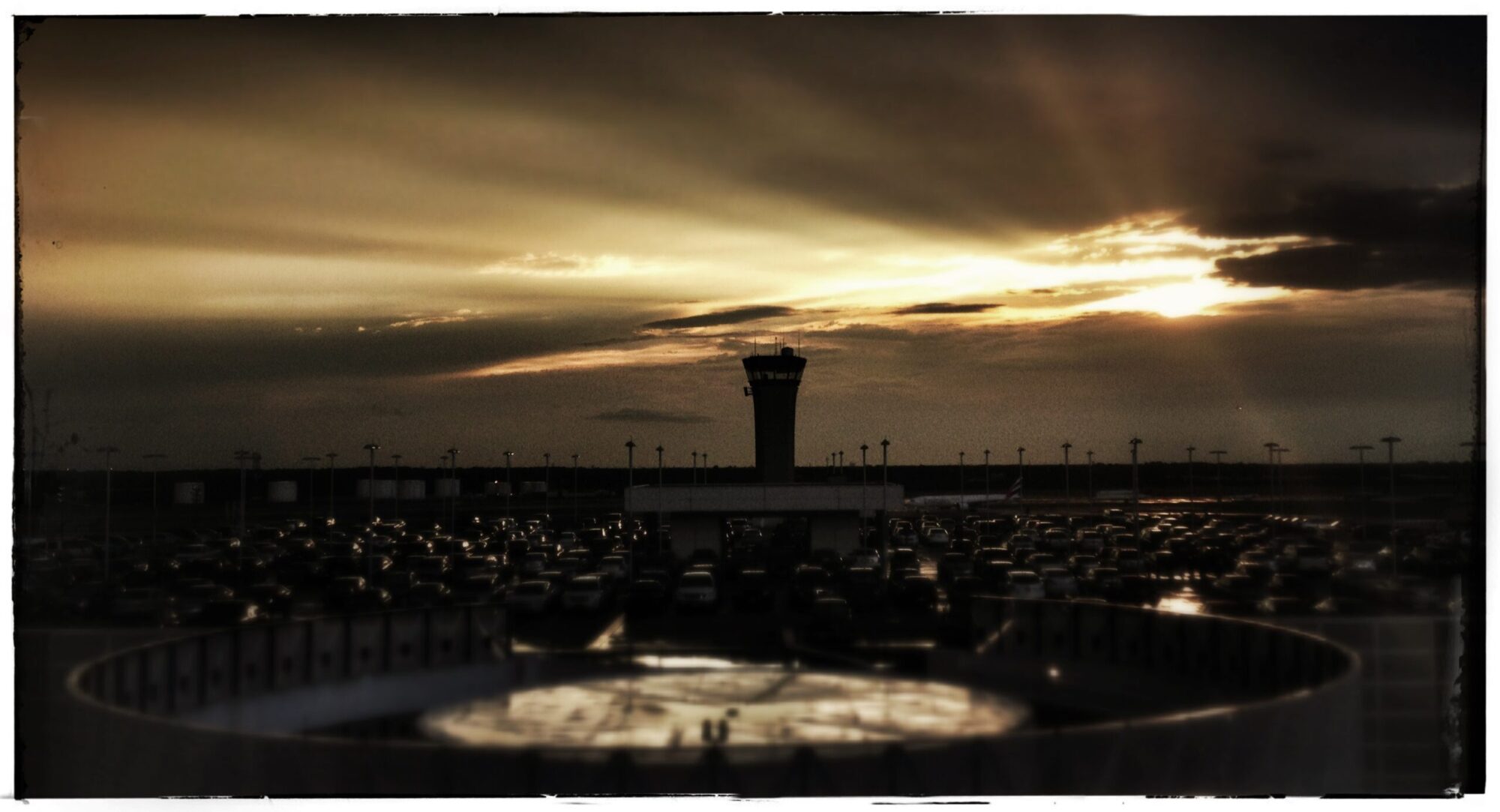
The partial federal government shutdown, now in its 42nd day, has pushed Houston’s major airports to the center of a national crisis. As of early Friday morning, the U.S. Senate passed a bill that may offer some relief, though the road is far from over.
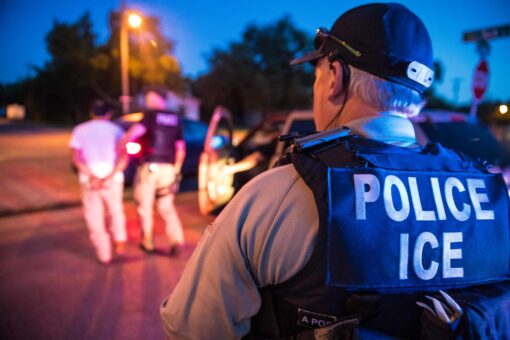
U.S. Immigration and Customs Enforcement officers are now taking on a more active role in airport security screenings nationwide. ICE agents have received standard TSA training and are now performing tasks that include verifying passenger identification using TSA equipment and following standard operating procedures, a step up from their earlier support roles, which had been limited to crowd control and directing travelers through lines.
In a statement, Department of Homeland Security Acting Assistant Secretary Lauren Bis credited the additional support with helping TSA officers focus on the screening process itself.
Houston’s airports have been hit particularly hard. Bush Intercontinental posted a callout rate of 39.2 percent on Wednesday, the second highest in the country, while Hobby Airport came in fourth nationally at 31.7 percent.
Nationally, TSA reported more than 3,120 officers absent on March 25, a callout rate of 11.14 percent, with the peak of the shutdown reaching 11.76 percent on March 22. Travelers at Bush Intercontinental faced wait times exceeding four hours on Thursday, with the airport’s own PA system warning passengers their flights could depart before they cleared security.
The Houston Police Officers’ Union seized on the moment. HPOU President Douglas Griffith addressed TSA workers directly earlier this week, pointing them to job opportunities at the Houston Police Department.
“Tired of long hours with intermittent pay? Come to the Houston Police Department where you are respected for your hard work and paid regularly,” Griffith said, adding a jab about getting to police “two airports” where officers deal with “long lines of irritated people.”
U.S. Rep. Wesley Hunt, whose district includes parts of Houston, called the situation a matter of basic fairness for federal workers. “This isn’t about politics,” Hunt said. “It’s about stability, fair compensation, and keeping Americans safe.”
Overnight Thursday and into Friday morning, the Senate voted unanimously to fund most of the Department of Homeland Security, covering TSA, the Coast Guard, FEMA, and CISA, while leaving out ICE Enforcement and Removal Operations and parts of Customs and Border Protection.
Senate Majority Leader John Thune told reporters headed into the session, “We’re gonna execute on as much of DHS as we can tonight, and then we’ll fund the rest of it later.”
The vote came hours after President Donald Trump announced he would direct newly sworn-in DHS Secretary Markwayne Mullin to pay TSA agents immediately, using funding provisions Republicans had pre-loaded into last year’s One Big Beautiful Bill Act. Thune acknowledged he had spoken with Trump before that announcement was made.
The measure now heads to the House, where its fate is uncertain. House Speaker Mike Johnson had previously called it “shameful” to fund the agency in pieces, and Thune admitted he did not know what the House would do.
Senate Democrats framed the outcome as a partial victory, with Minority Leader Chuck Schumer claiming his caucus had held firm against what he characterized as a blank check for immigration enforcement. Senate Republicans pushed back, arguing Democrats had been offered reforms but walked away without any.
“Democrats didn’t actually want a solution,” Thune said. “They wanted an issue.”