U.S. Customs and Border Protection Commissioner Rodney Scott says new wall construction, technology, and lower crossing rates are easing the pressure on frontline agents at the southwest border. In an interview Tuesday with the Center for Immigration Studies, Scott outlined progress on the border wall, enforcement trends, and cooperation with Mexico.
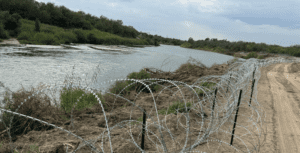
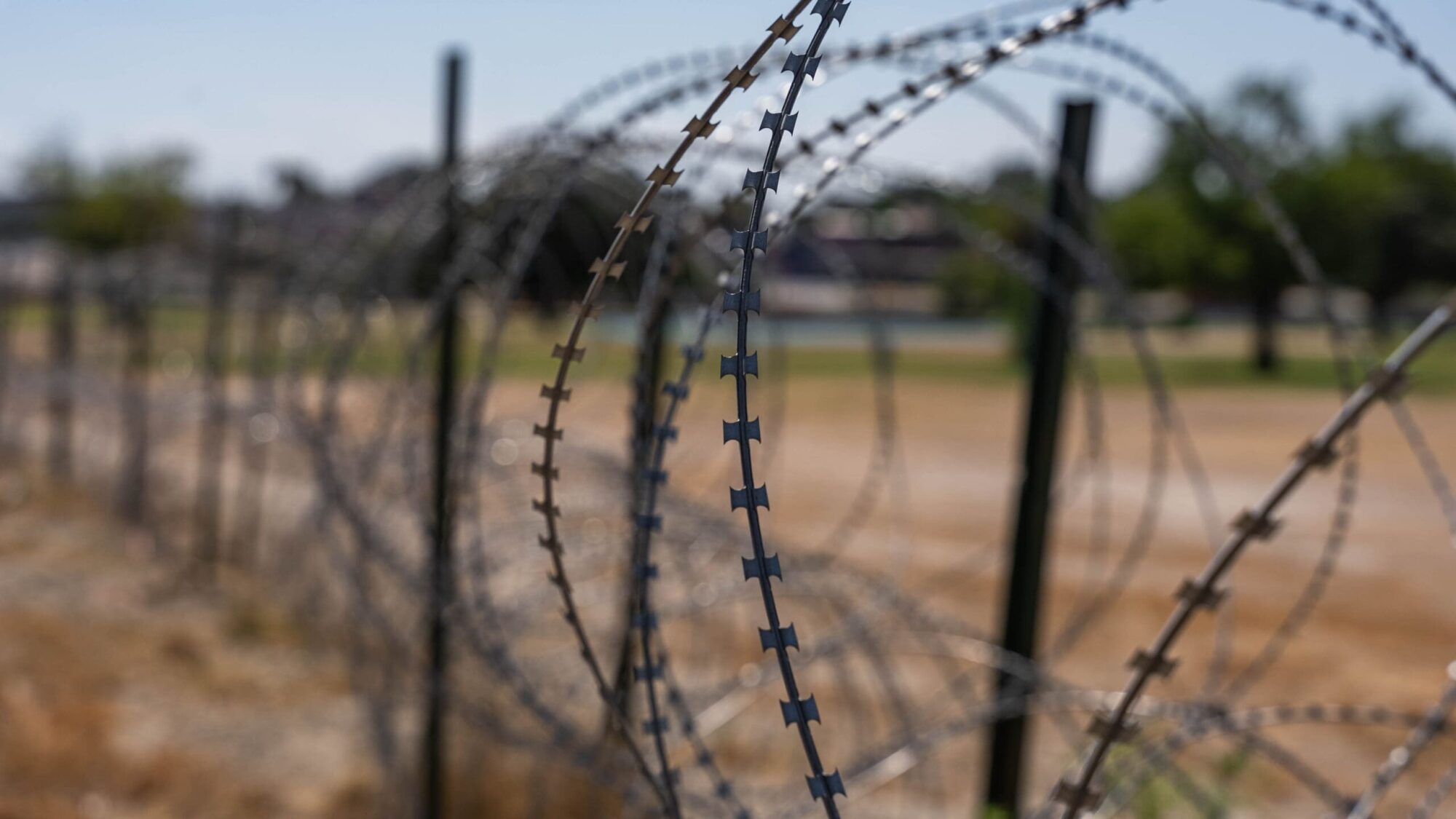
When asked about the construction of the border wall, Scott said, “We’re ahead of schedule and under budget.” He noted the primary border wall is slated for completion in 2027, and the secondary barrier is scheduled for completion by late 2028.
Scott described the project as a “smart wall,” meaning there will be fully integrated sensor suites that allow Border Patrol agents to spread out along the border and receive real-time data whenever someone approaches. CBP is also integrating buoy barriers in order to fully block the Rio Grande from illegal ingress.
“We’re building about six miles a week,” Scott said when asked how quickly construction is moving.
Scott said the “Big Beautiful Bill” will provide multi-year funding for border security systems, but noted that the bill does not provide salaries for Immigration and Customs Enforcement or CBP agents.
On Tuesday, the House passed a $70 billion reconciliation package to prevent a lapse in salaries for CBP and ICE employees, officially ending the four-month pay gap law enforcement has endured. The bill locks in funding for CBP and ICE through 2029.
Scott argued that due to the reduced amount of total crossings, officials have been able to shift resources towards prosecution of every illegal alien detained at the border.
“Nothing really beats prosecution. You cannot prosecute someone for felony re-entry if you haven’t prosecuted them before. What hamstrung us before? Bandwidth. When we had massive numbers of illegal immigrants, we just couldn’t do it. But right now we’re prosecuting everyone we possibly can. If we don’t prosecute somebody, it’s because we made a conscious decision to deport them because we believe that would have a bigger impact,” said Scott.
He added that arrested illegal aliens are also being heavily interviewed in “deep dives” to collect data and evidence for Mexican authorities in order to better formulate a response to smuggling operations.
When asked whether or not Mexico has been cooperating with the U.S., Scott remarked that “they’ve been very cooperative. We’re sharing information in a way we never really have before and are actually getting results.”
The Migrant Protection Protocols, otherwise known as the Remain in Mexico policy, are “alive and well,” said Scott. “We have used it, but we haven’t really needed it.” These protocols force migrants to remain in Mexico while they wait for approval to enter into the U.S.
Scott added that CBP is working with the Mexican government to address the issue of drones, which are currently being used by cartel operations to survey U.S. entry points and smuggling routes.
CBP is deploying its own drones in response, which range from agent-portable to the military-style General Atomics MQ-9 Reapers.