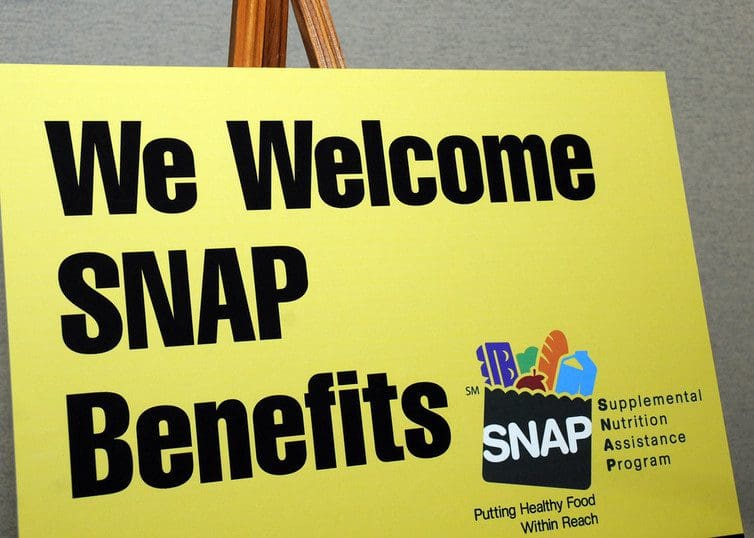
A federal judge in Washington, D.C. has now blocked U.S. Department of Agriculture waivers that let five states ban recipients of the Supplemental Nutrition Assistance Program from purchasing soda, candy, and other “junk foods.” The ruling raises questions about how similar bans in states such as Texas will be affected.
On April 1, Texas rules banning the purchase of certain unhealthy foods and sugary beverages with SNAP funds took effect.
The rules were a result of Senate Bill 379, which added candy and sweetened drinks to the list of prohibited items. Texas lawmakers have called the bill “a cornerstone of the Make America Healthy Again movement,” citing USDA data indicating that nearly 20 percent of SNAP benefits are used to purchase junk food.
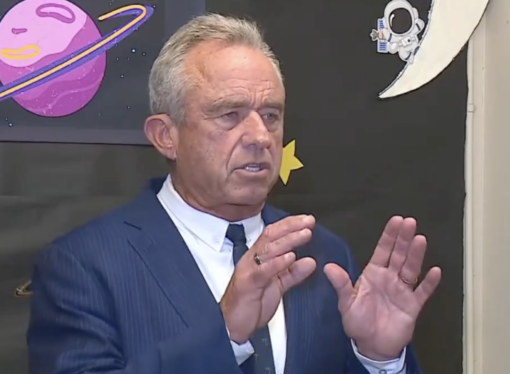
Texas had to ask the USDA for a waiver in order to implement the ban, which Secretary of Agriculture Brooke Rollins approved at the beginning of the year. Previously, the USDA had denied waivers to ban junk food from SNAP. U.S. Secretary of Health and Human Services Robert F. Kennedy Jr. has urged all 50 states to request waivers to ban unhealthy foods.
However, the National Center for Law and Economic Justice, representing low-income families who rely on food assistance programs, sued the USDA over its waivers for states such as Colorado, Iowa, Nebraska, Tennessee, and West Virginia.
The suit cites that low-income families are now unable to purchase goods that are required for health conditions such as avoidant/restrictive food intake disorder.
“Because of her daughter’s ARFID, she can safely consume only a very limited number of ‘safe foods,’” the lawsuit reads. “If she is unable to eat those foods, the only alternative is nutrition through a feeding tube.”
Federal Judge Amy Berman Jackson, an appointee of former President Barack Obama, wrote in her order that per USDA policy, the Food and Nutrition Act of 2008’s definition of “food” guides what SNAP benefits can purchase.
“Congress defined what ‘food’ is supposed to be, and it did not authorize the agency to amend or waive the definition it enacted. It did not authorize the agency to cut types of food out of SNAP entirely,” Jackson wrote in her order.
Jackson reversed the waivers for those five states, stating that “the federal defendants and the states may have a genuine desire to improve the health of SNAP households by encouraging healthy choices at the store, and they can take lawful steps to meet those goals; but what they cannot do is violate the law and their own regulations along the way.”
While the ruling does not directly impact Texas yet, the state’s Health and Human Services Commission spokesperson told Texas Scorecard the agency “will continue to work with our federal partners and take any necessary steps to remain aligned with federal requirements.”
SNAP provides assistance in obtaining nutritious meals to nearly 3.5 million Texans and is managed and administered by the Health and Human Services Commission.
More than a dozen other states have also received waivers to ban certain foods from SNAP purchases.
The USDA may appeal Jackson’s order.