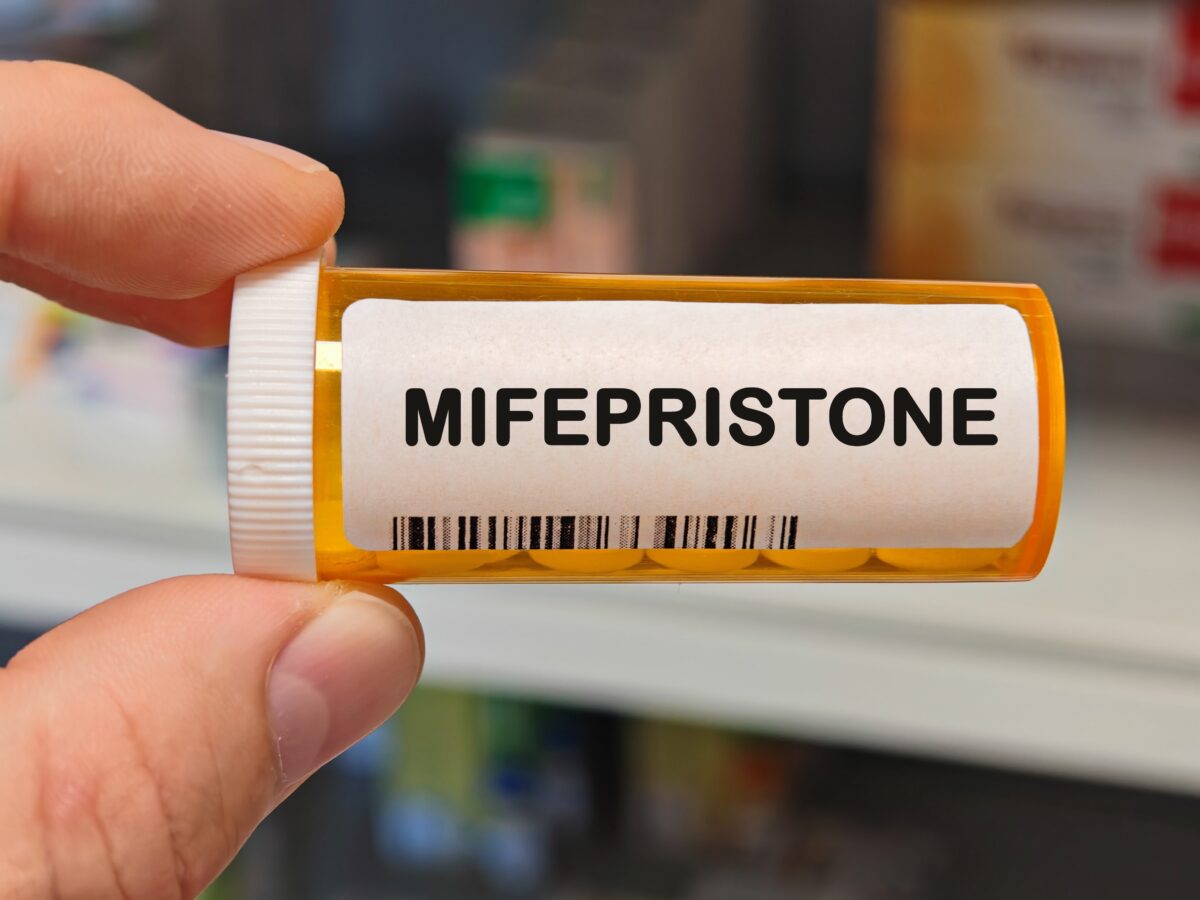
Texas Attorney General Ken Paxton, along with 13 other Republican attorneys general, signed a joint letter earlier this month to the Environmental Protection Agency expressing concerns that the abortifacient drug mifepristone is contaminating drinking water.
Mifepristone is classified as an antiprogestational steroid, or a drug that stops the hormone progesterone from working in the body. Progesterone is a steroid produced by the ovaries that is critical for pregnancy. By blocking progesterone, the uterine environment is destroyed, which prevents the preborn child from receiving nutrients and ultimately results in the child dying.
When the drug was introduced, the Food and Drug Administration imposed strict conditions on its use and later placed it under a formal Risk Evaluation and Mitigation Strategy (REMS). In recent years, FDA has removed the in‑person dispensing requirement and some related restrictions, while maintaining prescriber certification and other REMS elements.
Removal of the safeguards has increased the number of chemically induced abortions performed at home, which the attorneys general argued has resulted in chemically tainted waste being dumped into the nation’s water supply.
Chemically induced abortions constituted 63 percent of all abortions in 2023, according to the Guttmacher Institute. This figure does not include mail-order abortions facilitated by clinics mailing Mifepristone into states with laws banning abortion.
The attorneys general argued the uptick in these at-home abortions has dire consequences for the Safe Drinking Water Act, noting that mifepristone’s active compounds and metabolites remain biologically active after excretion and that conventional wastewater treatment cannot effectively remove them. They argue this poses a serious health risk to pregnant women who consume contaminated water.
Recent research cited in the letter also suggests that Mifepristone affects fertility and the development of reproductive organs.
The 14 attorneys general are therefore asking the EPA to add mifepristone to its Contaminant Candidate List under the Safe Drinking Water Act and to evaluate its potential risks to drinking water.
Texas’ Ken Paxton signed the letter spearheaded by Missouri Attorney General Catherine Hanaway. The attorneys general of Alabama, Alaska, Arkansas, Florida, Idaho, Indiana, Kansas, Kentucky, Louisiana, Nebraska, Oklahoma, and South Carolina also signed onto the letter.