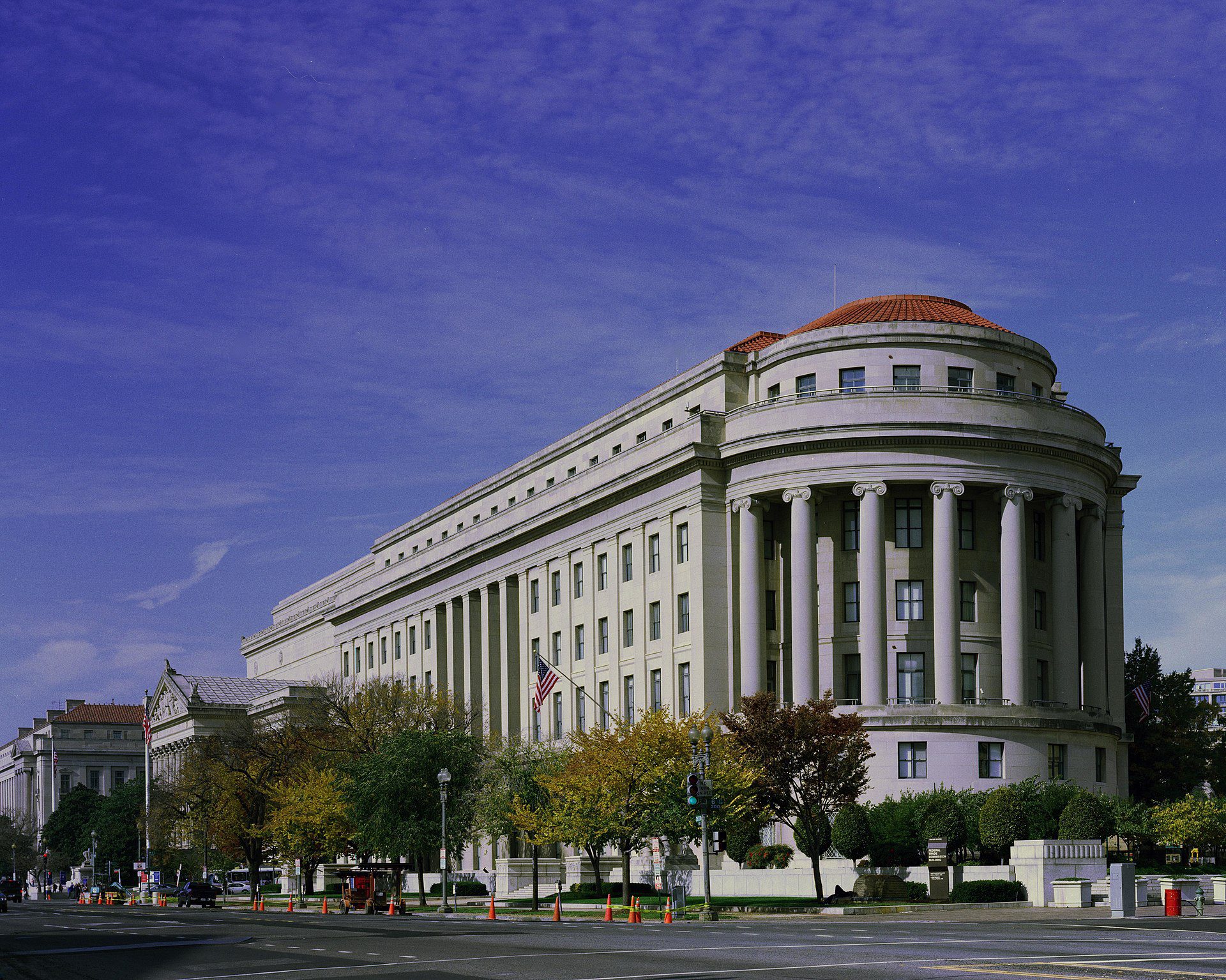
Texas Attorney General Ken Paxton and the Federal Trade Commission announced a multistate lawsuit and proposed settlement with major advertising firms accused of coordinating efforts to restrict digital ad revenue tied to certain viewpoints.
The lawsuit—filed in federal court in North Texas—targets Dentsu US, Inc., GroupM Worldwide LLC, and Publicis, Inc., alleging they unlawfully colluded to impose shared “brand safety” standards across the digital advertising market.
According to the complaint, the firms agreed to use common standards to avoid placing ads alongside content labeled as “misinformation.”
“Instead of competing … the ad agencies agreed that they would all use the same ‘brand safety’ standards,” the lawsuit states.
Federal regulators say that coordination distorted competition in the ad-buying market.
“The ad agencies’ brand-safety conspiracy turned competition in the market for ad-buying services on its head,” said FTC Chairman Andrew N. Ferguson.
The complaint alleges the companies worked through industry groups—including the Global Alliance for Responsible Media and the American Association of Advertising Agencies—to establish a shared “Brand Safety Floor,” under which certain content risked being excluded from advertising revenue.
“The Brand Safety Floor resulted in reduced ad revenues for many conservative publishers,” the lawsuit states.
Regulators further argue the agreement limited choices for advertisers and shaped what content could be monetized online.
“This unlawful collusion not only damaged our marketplace but also distorted the marketplace of ideas by discriminating against speech and ideas that fell below the unlawfully agreed-upon floor. The proposed order remedies the dangers inherent to collusive practices and restores competition to the digital news ecosystem,” Ferguson said.
The lawsuit also alleges outside organizations, including NewsGuard and the Global Disinformation Index, were used to identify and flag content deemed unsuitable for advertising.
At the same time, a proposed settlement with the three companies would prohibit agreements restricting advertising based on political or ideological viewpoints. According to Paxton, the firms also agreed not to rely on exclusion lists targeting publishers for their news or commentary content and would be subject to oversight by a court-appointed monitor if approved.
The case is brought under the Sherman Antitrust Act, which prohibits competitors from coordinating to restrain trade.
“Freedom of speech is foundational to American liberty,” said Paxton. “A coordinated group of woke, powerful individuals attempted to suppress that Constitutional right by manipulating ad agencies into sabotaging the reach, revenue, and credibility of conservative voices.”
The multistate action includes Florida, Indiana, Iowa, Montana, Nebraska, Utah, and West Virginia.
The proposed settlement is subject to approval by a federal judge.