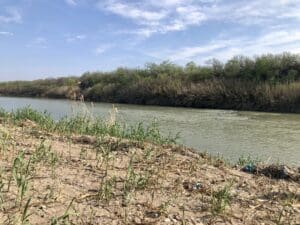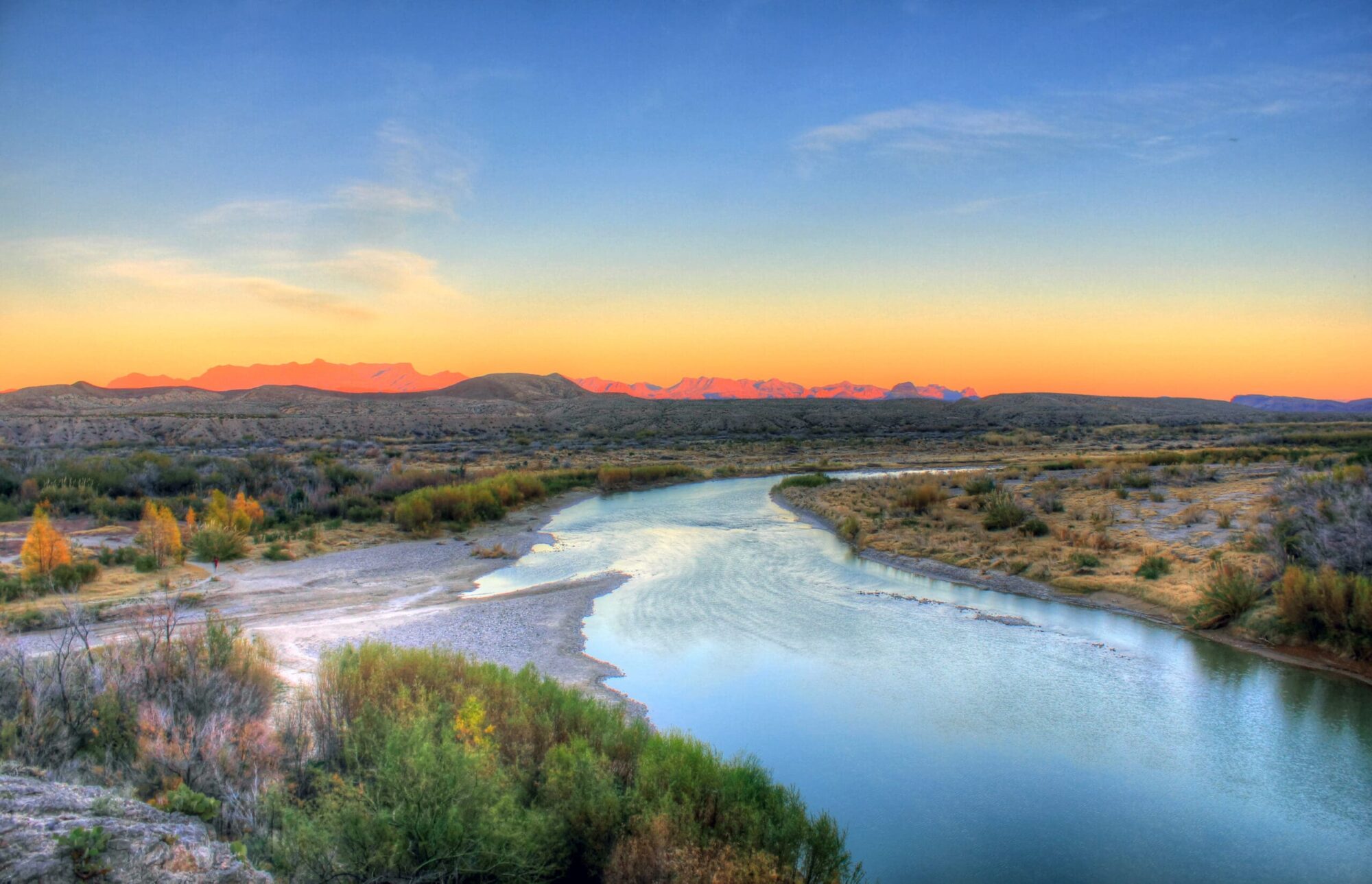
The U.S. Supreme Court approved a settlement between Texas and New Mexico that restricts New Mexico from pumping groundwater, which had reduced water flow for downstream Texas.
The settlement ends a longstanding legal dispute after Texas sued New Mexico in 2013 claiming New Mexico’s excessive groundwater pumping was in violation of the 1938 Rio Grande Compact. The compact, between Texas, New Mexico, and Colorado, regulated water usage along the Rio Grande.
In the lawsuit, Texas focused particularly on the stretch of water between the Elephant Butte Reservoir in New Mexico and the Texas border.
AG Paxton celebrated the settlement between the states. “My office has worked diligently for years to secure this settlement, and I am grateful that the Supreme Court has approved it. This agreement helps Texas farmers and families receive the water they depend on every single day from the Rio Grande.”
Legal tensions arose due to the Rio Grande Compact focusing on surface, not groundwater, regulations, especially as capture laws generally permit unlimited underground extraction. In Texas’ view, the Rio Grande Compact needed new clarifications due to changing situations with the river and in agriculture irrigation that cut into water amounts owed to Texas.
New Mexico must now reduce groundwater pumping by 18,200 acre-feet (roughly 5.9 billion gallons) annually for the next 10 years. Additionally, New Mexico and Texas will divide irrigation water in a 57-43 percent split, respectively.
Texas Agriculture Commissioner Sid Miller publicly praised the outcome, “I commend Attorney General Ken Paxton for securing this historic settlement that protects Texas water rights and holds our neighbors accountable. Water is the lifeblood of Texas life and agriculture, and this agreement helps ensure our producers have the resources they need to continue feeding and clothing our state, our nation, and the world.”
While Texas farmers can now expect a more consistent water supply, concerns remain over droughts and dwindling water levels along the Rio Grande. According to the AP, different water options such as desalination, stormwater capture, and water reuse are under consideration.