As cases of Ebola sweep the nation of the Democratic Republic of the Congo, some Houston residents are questioning the precautions underway as the nation’s soccer team comes to Houston for the World Cup.
“Risk continues to remain low,” said Dr. Erica Brown with Harris County Public Health.
However, officials are taking extra precautions.
Health officials have not granted the team any special privileges and are requiring each member to quarantine for 21 days before being fully released into the country.
According to the CDC, public health officials will begin screening individuals entering the U.S. from areas affected by Ebola. In addition, several COVID-era procedures such as contact tracing, increased laboratory testing capacities, and forward deployment of CDC personnel to hospitals are also being implemented to curb the spread of the virus domestically.
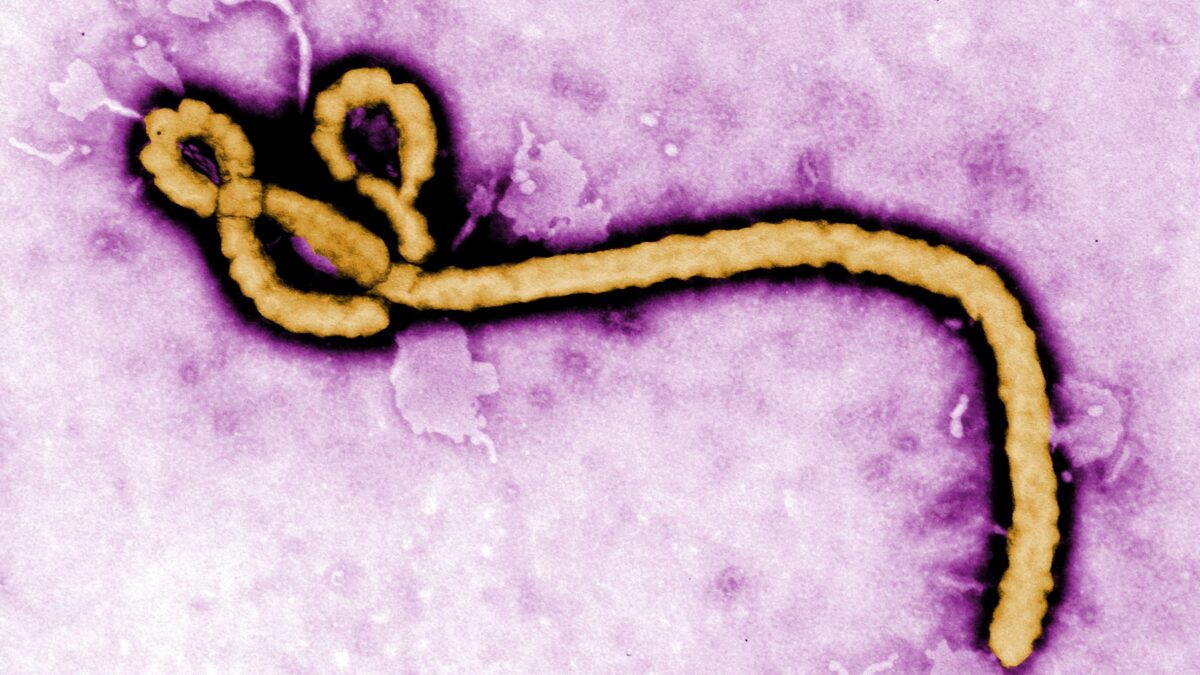
Ebola is a hemorrhagic fever originating from what is now the Democratic Republic of the Congo in 1976. It is believed to be zoonotic, meaning that it originated from animals in the African bush such as fruit bats and then jumped to humans who consumed contaminated meat. Infected individuals may begin to exhibit symptoms anywhere from 2 to 21 days, according to the CDC.
Symptoms may include fever, chills, and headaches, then progress to severe symptoms such as vomiting and unexplained bleeding. It spreads via contact with bodily fluids. Unlike COVID-19, it does not spread through the air nor can it be transmitted by proximity.
The outbreak of the hemorrhagic fever, which began in mid-May, has infected 334 people and killed 60.