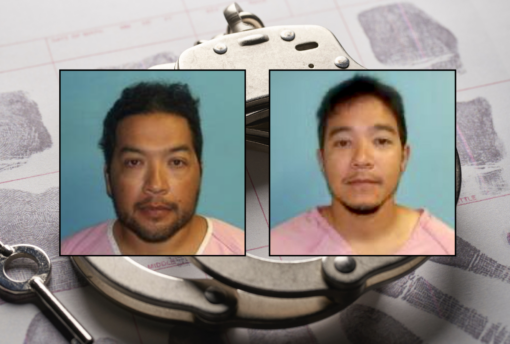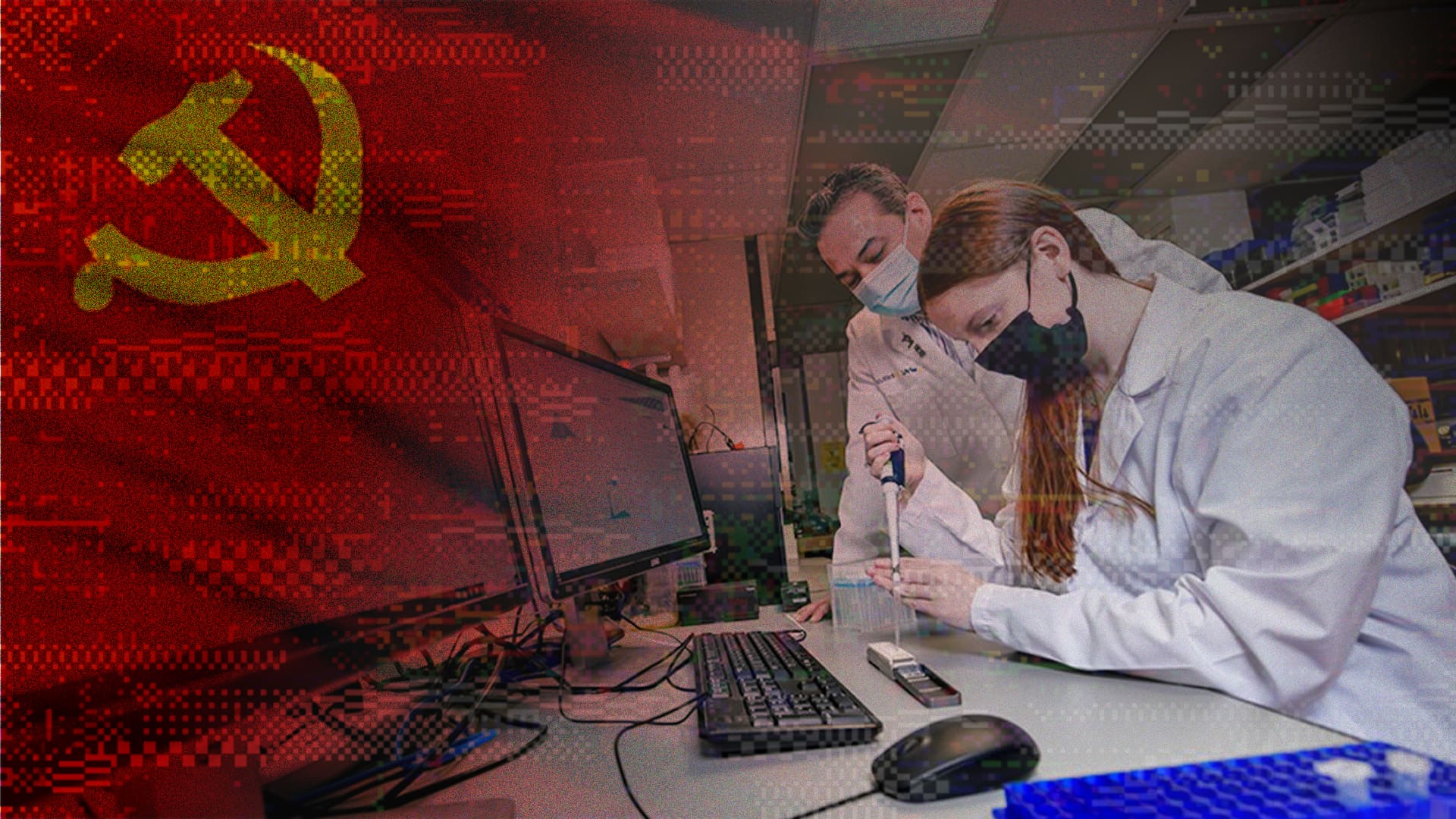
A Chinese researcher who worked at one of the country’s top cancer centers has been sentenced to jail time after pleading guilty to attempting to steal research data and smuggle it back to China.
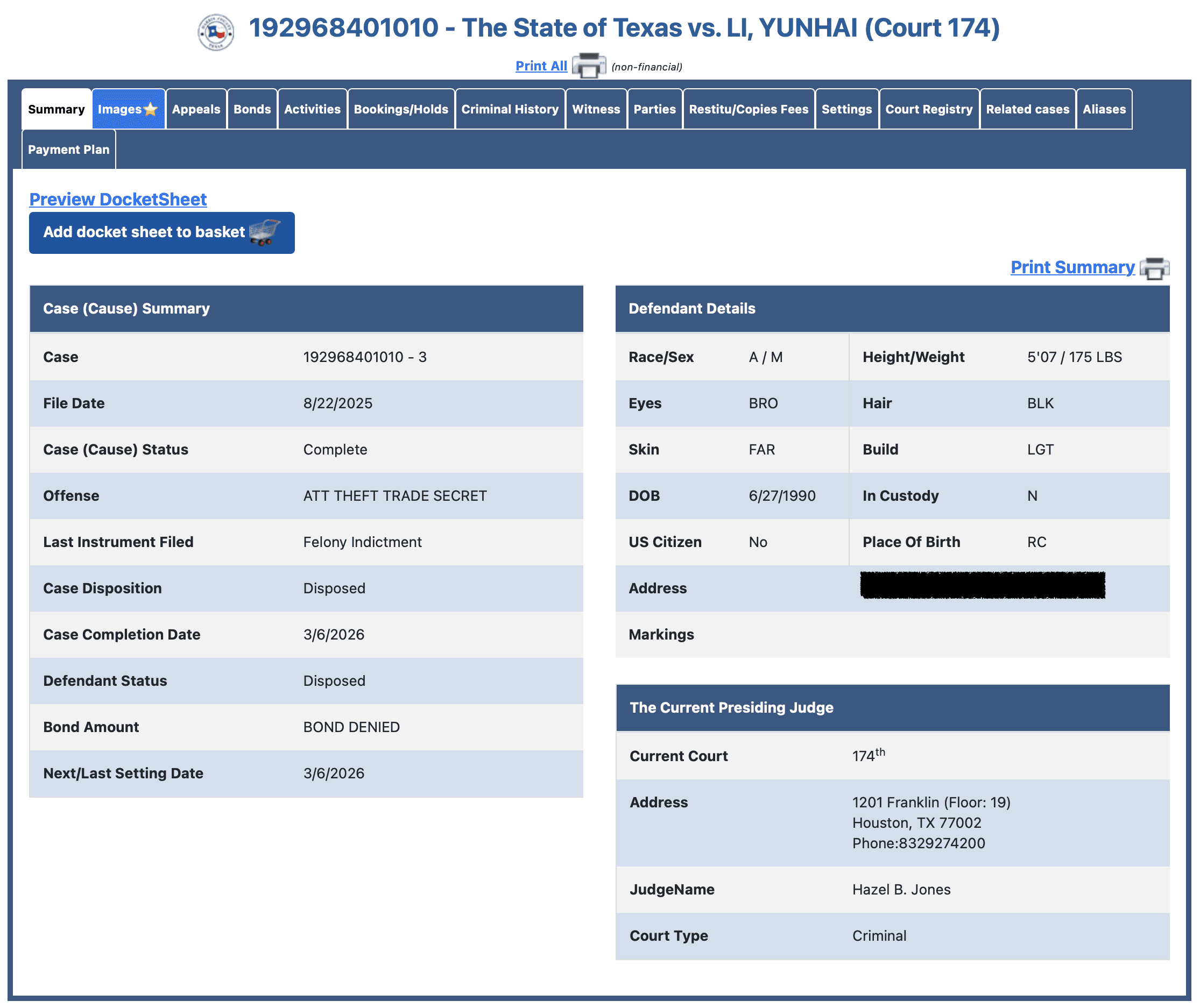
Harris County court records show that Yunhai Li pleaded guilty on March 6 to a state jail felony charge of attempted theft of trade secrets. He was recently sentenced to 364 days in the Harris County jail and received credit for 196 days already served, indicating a remaining time in jail of 168 days. Court records indicate Li, 35, is expected to be deported upon release.
Li had been working as a cancer researcher at the University of Texas MD Anderson Cancer Center since 2022, focusing on breast cancer research and an anticancer vaccine. Portions of his work were funded by the National Institutes of Health and the Department of Defense.
When he began working in the United States, Li signed confidentiality agreements barring him from sharing MD Anderson information outside the institution. He also certified that he had no foreign research funding or outside affiliations. Neither statement was true.
According to a complaint filed by a Texas Department of Public Safety investigator, Li was simultaneously receiving funding from the National Natural Science Foundation of China and conducting research for Chongqing Medical University. While employed at MD Anderson, he was also listed as an author on medical research published in China.
In June 2025, hospital officials confronted Li about data he had downloaded onto personal devices. He resigned during the internal investigation that followed. Days after leaving his position, he was stopped at Bush Intercontinental Airport while attempting to board a flight to China. Customs agents found evidence on his personal laptop that he had downloaded MD Anderson data and uploaded it to Baidu, a Chinese cloud storage service.
Li told agents he believed his research was going to waste and that he intended to continue it at a Chinese university. Investigators noted that Li also told agents he had hoped customs officials would not find the information on his devices.
He agreed to plead guilty to a reduced charge of attempted theft. A separate charge of tampering with a government record, stemming from the false documents he signed for MD Anderson, was dismissed as part of the agreement.
In September 2025, Texas Scorecard reported that a research security firm called IPTalons had identified more than 70 Chinese foreign influence groups actively targeting MD Anderson researchers — many of them linked to military-civil fusion projects. The analysis found that MD Anderson researchers had co-authored nearly 300 unclassified academic publications with researchers from high-risk Chinese organizations, including entities on the U.S. Department of Commerce’s restricted Entity List and the Department of Defense’s list of Chinese military companies. The People’s Liberation Army was among the organizations identified.
MD Anderson is not the only Houston-area target. In December 2025, federal prosecutors charged a Missouri City man named Alan Hao Hsu after investigators say he and a network of partners moved more than $160 million worth of restricted Nvidia AI chips to China, Hong Kong, and other restricted destinations — falsifying shipping records and laundering tens of millions of dollars in the process. Hsu pleaded guilty and became the first person ever convicted in an AI chip diversion case.