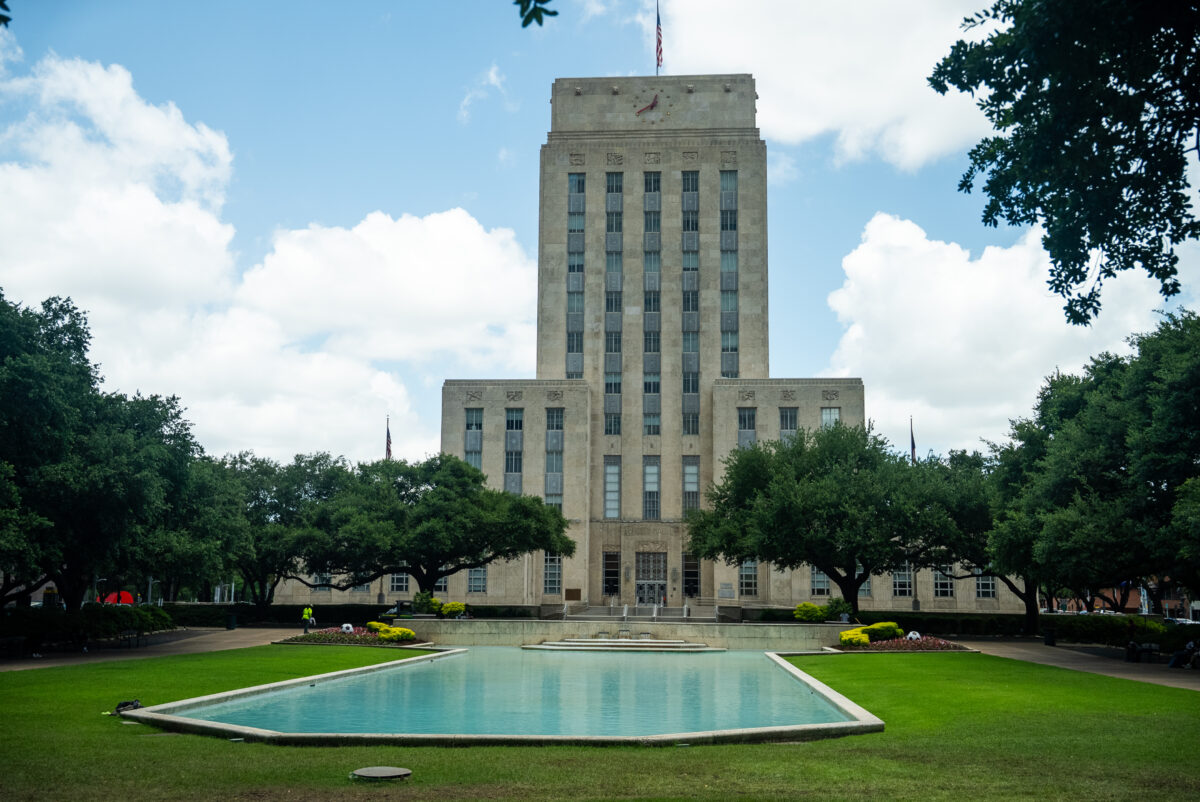
Houston City Council unanimously approved an additional $5.5 million Wednesday for the city’s ongoing water meter modernization project, bringing the total contract value to $43.5 million as officials continue working to address years of water billing problems.
The funding, approved October 21, will come from the Water and Sewer System Consolidated Construction Fund and go toward an existing contract with Sensus USA Inc. for the installation of the city’s Advanced Metering Infrastructure system. The technology allows water meters to transmit usage information remotely, helping the city track consumption and calculate customer bills.
Houston Public Works Director Randy Macchi told local news outlet KPRC 2 that aging and malfunctioning equipment has contributed to widespread billing inaccuracies. According to Macchi, Houston has approximately 500,000 water meters, many of which are reaching the end of their expected 20-year lifespan.
Since 2024, the city has replaced approximately 30,000 meters, but officials estimate that at least 300,000 additional meters still need replacement. Houston has also installed or replaced around 230,000 remote-reading devices, with another 10,000 currently being addressed.
The aging infrastructure has also contributed to problems tracking the city’s water consumption. Houston Public Works reports that approximately 32 billion gallons of water go unaccounted for annually, an issue officials hope the updated equipment will help address.
The contract with Sensus was originally approved in November 2020 for a 10-year period with a maximum value of $38 million. City Council authorized an additional appropriation of approximately $16 million in October 2024 without increasing that contractual limit. The city had spent more than $34.3 million on the project ahead of Wednesday’s vote.
Houston Public Works attributed the latest funding request to rising costs for materials, equipment, and operations that were not anticipated when the contract was initially approved. The additional appropriation is expected to support the program through 2027, although the underlying contract extends through 2030. Officials have indicated that another funding request may be necessary in 2027.
The city’s billing problems have been the subject of complaints for several years.
As previously reported, malfunctioning remote-reading devices led Houston Public Works to estimate customers’ water usage rather than obtaining actual readings. By February 2025, the department was also dealing with a backlog of approximately 1,400 unresolved work orders involving water leaks, malfunctioning valves, and other infrastructure problems. At the time, officials attributed the backlog in part to aging infrastructure and adverse weather conditions.
The city’s water billing problems previously prompted Mayor John Whitmire’s administration to implement temporary billing changes in April 2024. Under the program, residential customers began receiving bills based on historical consumption rather than potentially inaccurate readings while faulty remote-reading devices were being replaced.
Houston also resumed water service disconnections in September after suspending them in 2024 during efforts to improve its billing system. According to an August report, approximately 15,000 customers owed the city a combined $30 million. The city announced that customers with balances exceeding $500 who were at least 90 days delinquent would again face disconnection.
Council Member Twila Carter, who supported the additional appropriation, cited both the unpaid balances and complaints from residents receiving unusually high bills.
Macchi acknowledged that billing problems continue, but said improved meter readings are intended to reduce unexpected charges. Customers receiving replacement equipment will be notified, and the city plans to monitor the newly installed devices to ensure they are functioning properly.