A federal judge in Waco is considering whether lawyers representing the Lorena Independent School District can depose a girl repeatedly sexually abused by a Lorena ISD teacher when she was 5 years old.
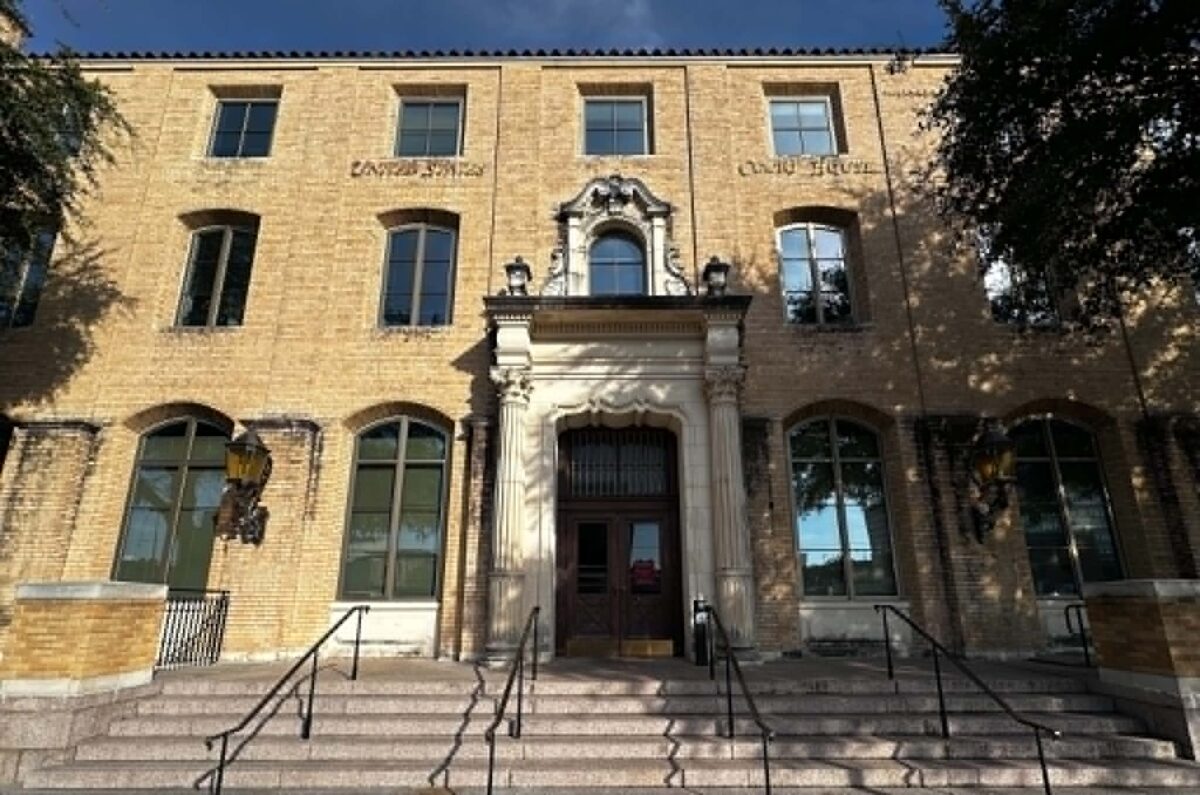
U.S. Magistrate Judge Dan MacLemore heard arguments Tuesday from attorneys on both sides of the case.
Parents of the now 10-year-old girl, identified in court as Jane Doe, sued Lorena ISD and Principal April Jewell in 2023, after teacher Nicolas Crenshaw pleaded guilty to molesting Jane and another female student during the 2020-21 school year.
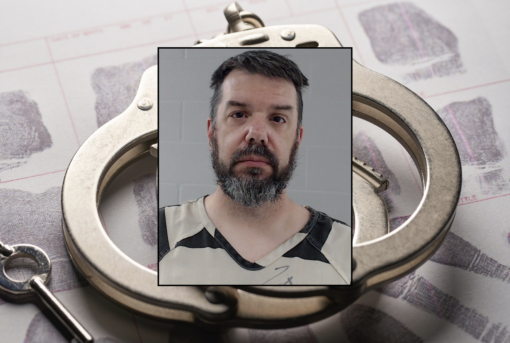
Crenshaw confessed to sexually abusing the girls in his pre-K classroom at Lorena Primary School, where Jewell was—and remains—the principal. He was sentenced to 40 years in prison.
The lawsuit accuses Jewell of turning a blind eye to multiple complaints about Crenshaw’s classroom behavior from several school employees and at least one mom.
The Does’ attorneys, Monica Beck and James Dunnam, asked the court for a protective order barring defendants from deposing the girl, asserting questions about the abuse will re-traumatize Jane and cause “irreparable harm.”
Attorneys for Lorena ISD, Meghan Beytebiere and Meredith Walker with Walsh Gallegos, argued they are “entitled” to depose the young girl about how she suffers due to the sexual abuse, so the district can defend itself against its former student’s claims for damages.
Judge MacLemore said he would rule “relatively promptly.”
The Arguments
Judge MacLemore noted throughout Tuesday’s hearing that the plaintiffs are requesting “extraordinary relief” by asking to protect a party to a lawsuit from being deposed, but said both sides’ positions are “reasonable.”
Beck argued that according to Jane’s mental health therapist, the girl struggles with post-traumatic stress disorder and will suffer “irreparable harm” from such questioning.
In a statement to the court, the therapist described Jane’s trauma triggers and symptoms—including anxiety, terror, and dissociation—and asserted that due to her young age and repeated traumatic abuse, the girl lacks the cognitive ability to answer questions about her past, present, and future injuries.
“She doesn’t know a before—that was stolen from her,” Beck told Judge MacLemore.
Beck said Jane doesn’t talk directly about the sexual abuse during therapy. “She doesn’t have the words to describe it.”
MacLemore told Beck the therapist had failed to describe “concrete effects” of the abuse and how Jane’s symptoms have caused her specific harm.
Beck stated that more details were revealed in recent depositions and noted that the defense attorneys had an opportunity to ask the girl’s parents about Jane’s symptoms but didn’t.
She noted Lorena ISD lawyers said they want to question Jane about her trauma, instead of seeking the information from adult sources, “because we’re entitled to.”
Beck also said the defense wouldn’t provide any description of the questions it plans to ask the girl.
The judge responded that he couldn’t consider at that point any new information learned from the depositions.
He repeated that the plaintiffs were making an “extraordinary request” and said granting such protection should be the “overwhelming exception.”
“I’ve looked everywhere and can’t find an example,” stated MacLemore.
Federal case law relevant to the Doe case is rare because such lawsuits rarely make it past immunity assertions by schools and their administrators, and families often end up settling their claims through nondisclosure agreements.
In this case, the defendants spent two years fighting—and failing—to have the Doe’s claims dismissed on the basis of qualified immunity.
Beck asked Judge MacLemore to consider allowing supplemental briefings that would include more specific details from Jane’s therapist and information learned during depositions before ruling on the requested protective order.
Arguing on behalf of Lorena ISD, Beytebiere asserted that Jane Doe is the only person who can testify to the damages she has suffered or will suffer in the future.
Beytebiere said the defense plans to depose Jane “in an age-appropriate manner,” via Zoom if the plaintiffs prefer, with just one attorney questioning the girl for two hours.
The defense attorneys stated that if they were allowed to videotape a deposition of Jane, “we wouldn’t have to call her at trial.”
Beytebiere added that the defense has “no obligation” to provide the plaintiffs with the questions or topics it plans to cover.
In court documents, the defense stated its questions would aim to evaluate the “claimed damages” that 10-year-old Jane attributes to the “alleged events.”
“No obligation to assure the court that the questions will be narrowly tailored?” asked Judge MacLemore, echoing Beck’s assertion that the information sought by the defense is “available elsewhere” and could be obtained in a “less invasive manner.”
“We need to examine the child,” responded Beytebiere.
Beytebiere acknowledged that the defense has not deposed Jane’s therapist or other experts, whom it has stated it intends to call to testify about the girl’s condition.
Judge MacLemore asked the defense attorneys if it was reasonable to hold off on a ruling to allow more information to be considered.
Walker said she opposed allowing supplemental briefings but would be “happy to talk about pushing some deadlines back” to allow her more time to enjoy the end of her son’s senior year.
Dunnam told Judge MacLemore that with an extension, the plaintiffs can have Jane’s therapist appear in court to answer questions.
He also said the court would benefit from learning what happened—and didn’t happen—during the depositions.
“If these were critical questions, why weren’t they asked during seven-hour depositions with the parents? Why haven’t they deposed the counselor?” asked Dunnam.
While acknowledging Walker’s assertion that federal precedent and “fair play” allow the defense to depose the plaintiff, Dunnam said “it’s different” when it’s a 10-year-old child who was 5 at the time of her sexual abuse.
Walker told the judge she had deposed students younger than Jane. “It’s not my first rodeo.”
“No court has adopted the plaintiff’s position,” Judge MacLemore told Dunnam.
“There’s always a first time,” replied Dunnam. “We think the court has discretion to grant this relief.”
“The court does have a lot of discretion,” agreed MacLemore, advising the parties to be prepared to present further briefings and testimony if he decides to issue a stay pending further discovery.
Community Response
Attorneys representing Principal Jewell did not weigh in during Tuesday’s hearing.
In addition to the civil suit, Jewell is also facing the loss of her professional credentials.
The Texas Education Agency argued in an administrative proceeding in April that Jewell’s conduct surrounding the sex abuse scandal should result in the state revoking her teaching certificate. No findings have yet been issued.
Lorena ISD officials have defended Jewell’s conduct for years, despite calls from the community that the principal be placed on leave or fired.
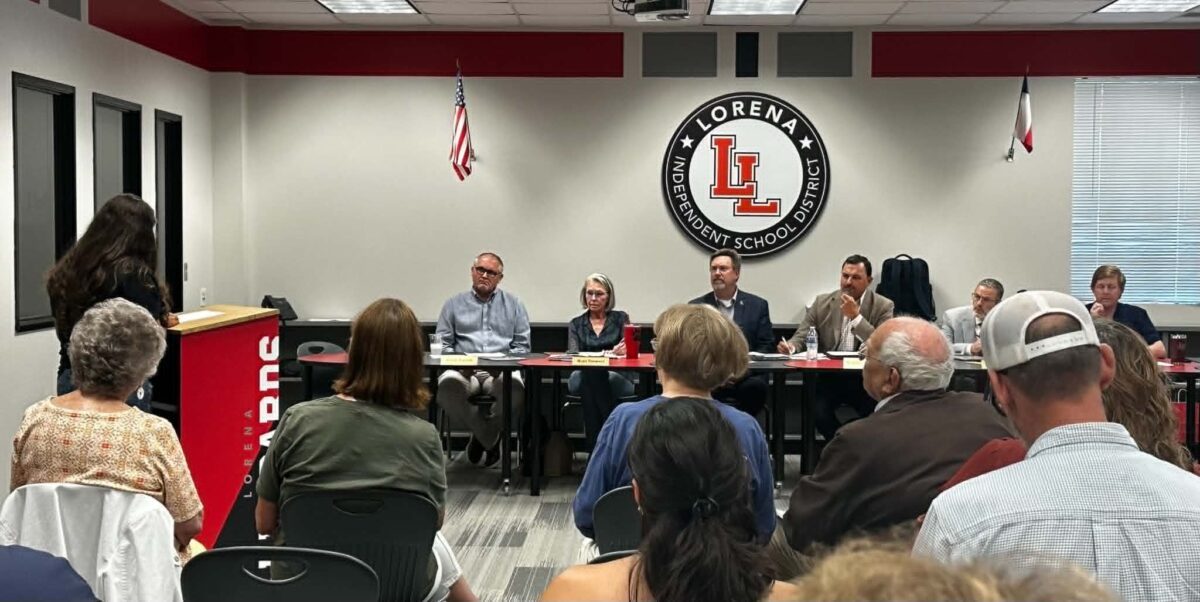
One of those community members, Lorena mom Charity Cervantez, spoke to trustees during a school board meeting on Monday night.
“For years, this district has talked about safety, trust, and doing what’s best for kids,” Cervantez told trustees.
“Those aren’t just words you put on a website or repeat at board meetings. Those are promises. And promises mean very little if people believe your actions point in a different direction,” she said.
Cervantez noted that the attorneys representing Lorena ISD are fighting the case in the district’s name.
Neither Board President Denny Kramer nor the district’s newly hired Superintendent Teddy Clevenger responded to Texas Scorecard’s emails asking which school official provides direction to their attorneys and whether they approved of the legal strategy to interrogate a girl about her sexual abuse at the hands of one of their teachers.
“Parents across this community are watching,” concluded Cervantez. “They’re asking themselves one question: ‘If this happened to my child, would this district protect us … or fight us?’ That question will shape trust in this district long after this lawsuit is over.”
Later during Monday’s school board meeting, trustees heard a sales pitch from KXXV for a “community engagement plan” to promote Lorena ISD as an attractive option for transfer students, using positive storytelling and ads.
Cervantez and several other community members who organized under the banner Justice for Jane attended Tuesday’s hearing to show support for Jane and her family and continued hope for justice.
A jury trial in the civil lawsuit is currently scheduled to begin on May 10, 2027.
Full coverage of the Lorena ISD sex abuse scandal and lawsuit can be found here.