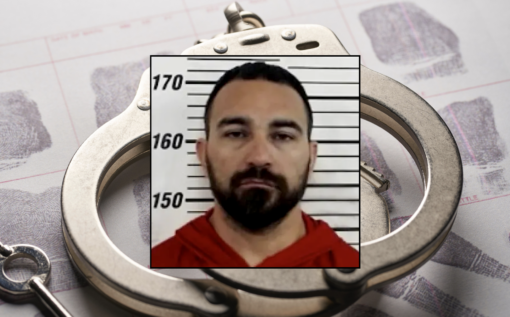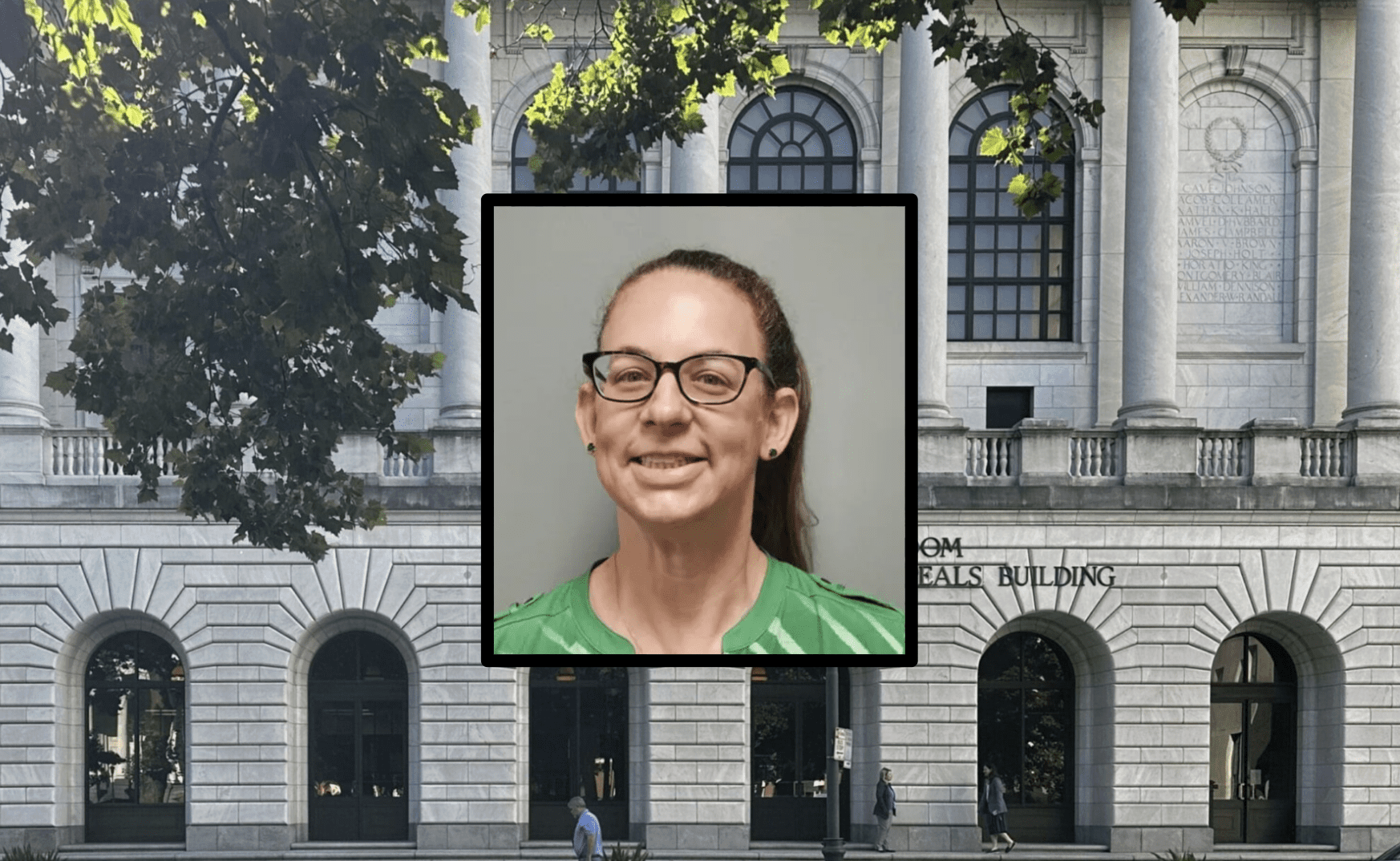
A longtime Katy Independent School District teacher is suing the district and her principal after being told she could not pray on campus or in sight of students, claiming multiple violations of her constitutional rights.
The U.S. Fifth Circuit Court of Appeals ruled this week that now-former Principal Bryan Scott Rounds is not entitled to qualified immunity on teacher Staci Barber’s First Amendment claims, allowing her case to proceed in federal district court.
Background
Staci Barber is a math teacher at Cardiff Junior High School in Katy ISD. She is also a Christian who claims to have regularly joined other staff for prayer and Bible study before the school day.
In September 2023, as part of the annual “See You at the Pole” prayer event organized by the Fellowship of Christian Athletes, Barber emailed staff inviting them to pray at the school flagpole at 8 a.m. before students arrived.
Rounds replied with a staff-wide message saying district policy prohibits employees from “praying with or in the presence of students.” In a separate email to Barber, he reiterated that “employees CANNOT pray with or in the presence of students,” adding that even a morning prayer before classes would violate policy because she could be visible “in [her] role as an employee.”
Barber responded that her invitation was “only for staff before students arrive,” just as she and her colleagues had done for the previous three years. Nonetheless, Rounds told her the prayer would be a policy violation.
This did not stop Barber and several colleagues from proceeding to pray at the flagpole on the morning of the event.
Rounds reportedly stopped them from praying and called them into a conference room, again insisting that teachers cannot pray where students “might see” or “be influenced by” their conduct—even if such conduct occurred “when the teachers were not on school time.”
The Lawsuit
In March 2024, Barber filed a federal lawsuit in the U.S. District Court for the Southern District of Texas in Houston against Katy ISD and Rounds in his individual and official capacities.
She argued that her constitutional rights were violated under the First Amendment (free speech and free exercise) and Fourteenth Amendment (due process and equal protection), as well as her rights under the Texas Constitution and the Texas Religious Freedom Restoration Act.
Defendants moved to dismiss the lawsuit, and Rounds asserted qualified immunity concerning the federal constitutional claims against him in his individual capacity.
The district court denied his motion as to every claim except Barber’s Fourteenth Amendment due process claim. The court allowed Barber’s Fourteenth Amendment equal protection claim to proceed, finding that the complaint’s allegations were sufficient at the pleading stage to state a plausible claim of differential treatment by Rounds.
Regarding Barber’s First Amendment claims, the court concluded that her complaint plausibly alleged a visibility-based restriction on teacher prayer, which the U.S. Supreme Court ruling in Kennedy v. Bremerton School District “clearly established” to be a violation of the First Amendment.
Kennedy is the case in which high school football coach Joseph Kennedy was fired for kneeling in prayer at midfield after games.
The court further emphasized that a teacher or coach “engaging in a brief, quiet, personal religious observance” is “doubly protected by the Free Exercise and Free Speech Clauses of the First Amendment.”
Rounds appealed the district court ruling to the Fifth Circuit Court of Appeals in New Orleans, arguing that qualified immunity should shield him from personal liability.
The doctrine of qualified immunity protects government officials “from liability for civil damages insofar as their conduct does not violate clearly established statutory or constitutional rights of which a reasonable person would have known.”
The Decision
On Monday, the Fifth Circuit agreed that Kennedy supplied the necessary clarity, partly affirming and partly reversing the district court ruling.
“As Barber points out, Kennedy expressly rejected the proposition that religious expression by a public-school employee may be restricted merely because students might observe it,” reads the ruling.
The Fifth Circuit found the district court to have “properly denied Rounds qualified immunity as to Barber’s free speech and free exercise claims under the First Amendment. We therefore affirm the district court’s ruling as to those claims.”
However, the court did find Rounds entitled to qualified immunity as to Barber’s Equal Protection claim.
“[B]ecause Barber failed to allege any equal protection violation by Rounds individually, her Fourteenth Amendment disparate treatment claim against him falters. Rounds is thus entitled to qualified immunity as to that claim, and we reverse the district court’s contrary ruling.”
The case is therefore remanded to the district court to proceed on the merits of the remaining claims.
Barber is represented by the American Center for Law & Justice. The Christian conservative legal organization celebrated the Fifth Circuit decision as “a major victory – not just for our client, teacher Staci Barber – but for every public school teacher in America who has ever been afraid to bow their head in prayer because a student might see them.”
Rounds has reportedly stepped into a role as interim administrator this spring and will retire at the end of the school year.
If you or anyone you know has information regarding court cases, please contact our tip line: scorecardtips@protonmail.com.