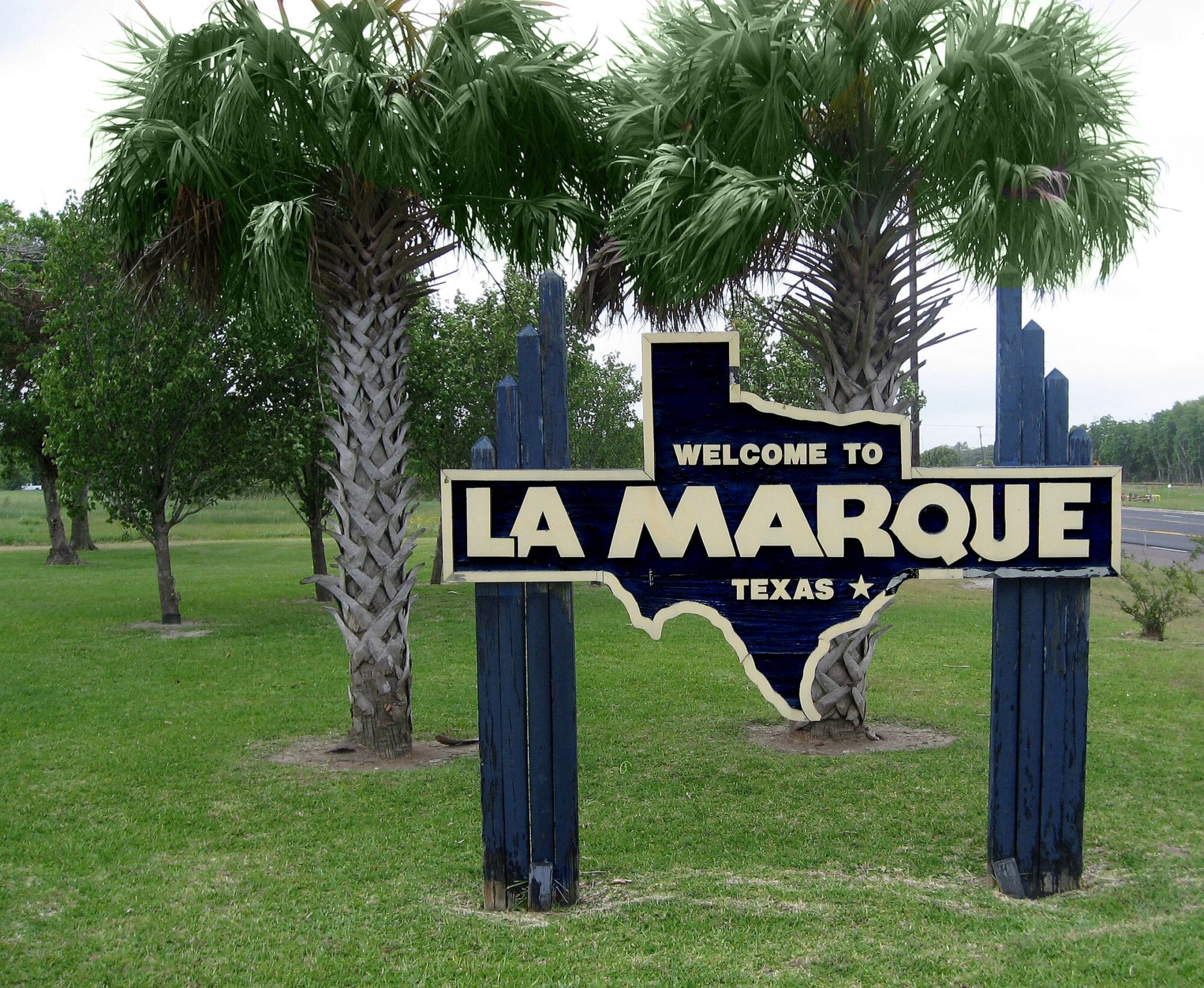
Interim La Marque City Manager Barbara Holly announced that the city was “down to our last $1.2 million. We’re down quite a bit.”
Holly’s comments followed the release of a confidential email she sent last week to the city council of the Galveston County town. Later obtained by local media, the email warned that the remaining $1.2 million “is enough to carry the city for just over two weeks.”
According to Holly, La Marque needs at least $3 million to get through the rest of the year—assuming no emergencies from storms or hurricanes. If a disaster strikes, she estimates the city would need closer to $5 million to be adequately prepared.
Holly has been serving as interim city manager for about five weeks. Around Labor Day, she said she discovered the financial crisis after reviewing city accounts with Finance Director Worth Ferguson. In her email to city leadership, Holly outlined possible solutions, including a tax rate increase, raising water, sewer, or trash rates, and even seeking an emergency short-term loan.
Concerns over La Marque’s financial management are not new.
In August 2024, during a regular city council meeting, 15 residents urged leaders to conduct a financial audit. Leading the charge, longtime resident Laura Divine argued, “I believe a forensic audit is crucial and justified, and as others have said before, it’s not a bad thing to bring forth if there’s a problem.” The city council ultimately declined to proceed with the audit.
On Tuesday, one day after Holly’s public warning, city leaders held a press conference to announce an emergency financial plan to keep essential services running. Officials revealed the city spends about $60,000 per day to operate—excluding utilities—leaving less than 20 days of funding under current conditions.
That same evening, the city council voted unanimously to approve a three-pronged financial strategy. The plan includes raising property taxes from $0.39 to $0.45 per $100 of valuation.
With the average home in La Marque valued at around $240,000, homeowners can expect to pay about $144 more per year.
The city will also freeze hiring for 15 open positions, eliminate all travel and training expenses, and halt new technology purchases. In addition, La Marque will seek emergency loans to cover disaster-related costs still awaiting FEMA reimbursement and request added assistance from the Economic Development Corporation (EDC).
To restore transparency and accountability, city leaders announced the formation of a financial oversight committee made up of council members, citizens, and representatives from the EDC.
Holly noted that prior city leadership failed to provide council members with financial statements, bank balances, budget comparisons, or timely audits.
La Marque’s leadership has been unstable in recent months. In July, former City Manager JB Pritchett stepped down—just two months after his May appointment—amid allegations of discrepancies on his employment application. Before Pritchett, Cesar Garcia served as city manager until his removal by a 3–2 council vote, which cited budget mismanagement, communication failures, and poor staff oversight as reasons for termination.