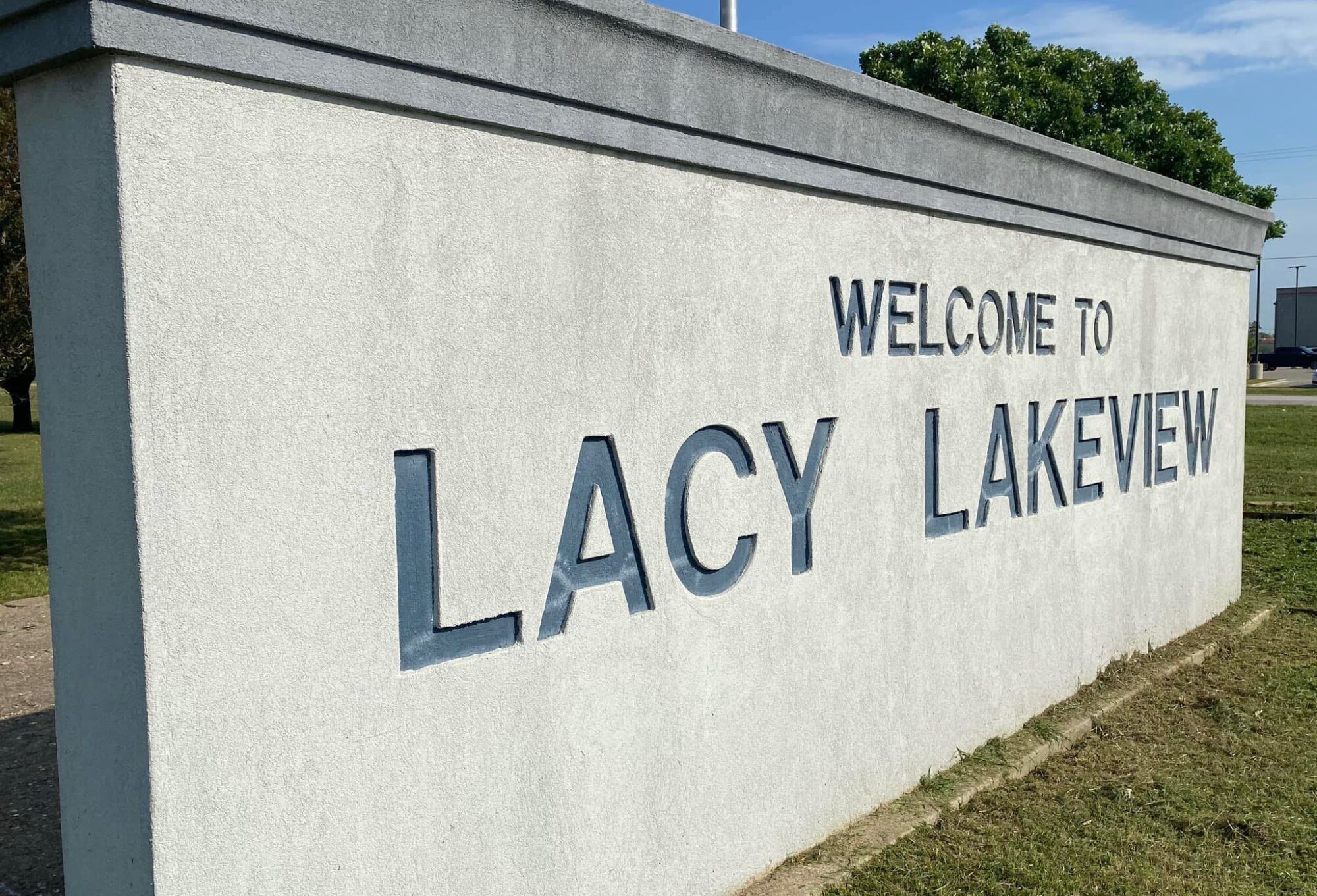
A $10 billion data center planned for Lacy Lakeview is getting closer to breaking ground.
The city north of Waco, located in McLennon county, announced in December that a Wyoming-based company would build numerous data centers and one natural gas plant.
According to recent reports, Infrakey, the company heading the project, has submitted the annexation petition asking Waco to release the land. If the petition meets all requirements, the land must be released without the need for a city council vote or public hearing.
Infrakey’s proposal would create a large-scale “data center district” on more than 520 acres, with plans for multiple facilities and a natural gas plant providing on-site power that could approach a gigawatt of capacity at full buildout.
The company and city officials have promoted the project as a multibillion‑dollar investment that would add significant taxable value and infrastructure to the area.
Lacy Lakeview’s mayor signed a memorandum of understanding with the company stating that the project would progress if the city could annex the land.
However, residents are protesting this project. A petition against the plant had received nearly 4,000 signatures. Concerns about the project included water usage and heat released by the plant.
“Data centers use an immense amount of water … Fact, data centers run hot. They can increase surrounding temperatures by more than 16 degrees.”
Residents have also pointed to estimates that the data center complex could use and reuse roughly 15 million to 16 million gallons of water per day—more than the city’s total December water purchases—in a region already sensitive to water demand.
These concerns have largely been dismissed by Lacy Lakeview City Manager Calvin Hodde as being chalked up to “no one [liking] change, no matter what it is.”
While Texas is one of the leading states in data center construction, residents continue to voice concerns amid rapid project planning and implementation.