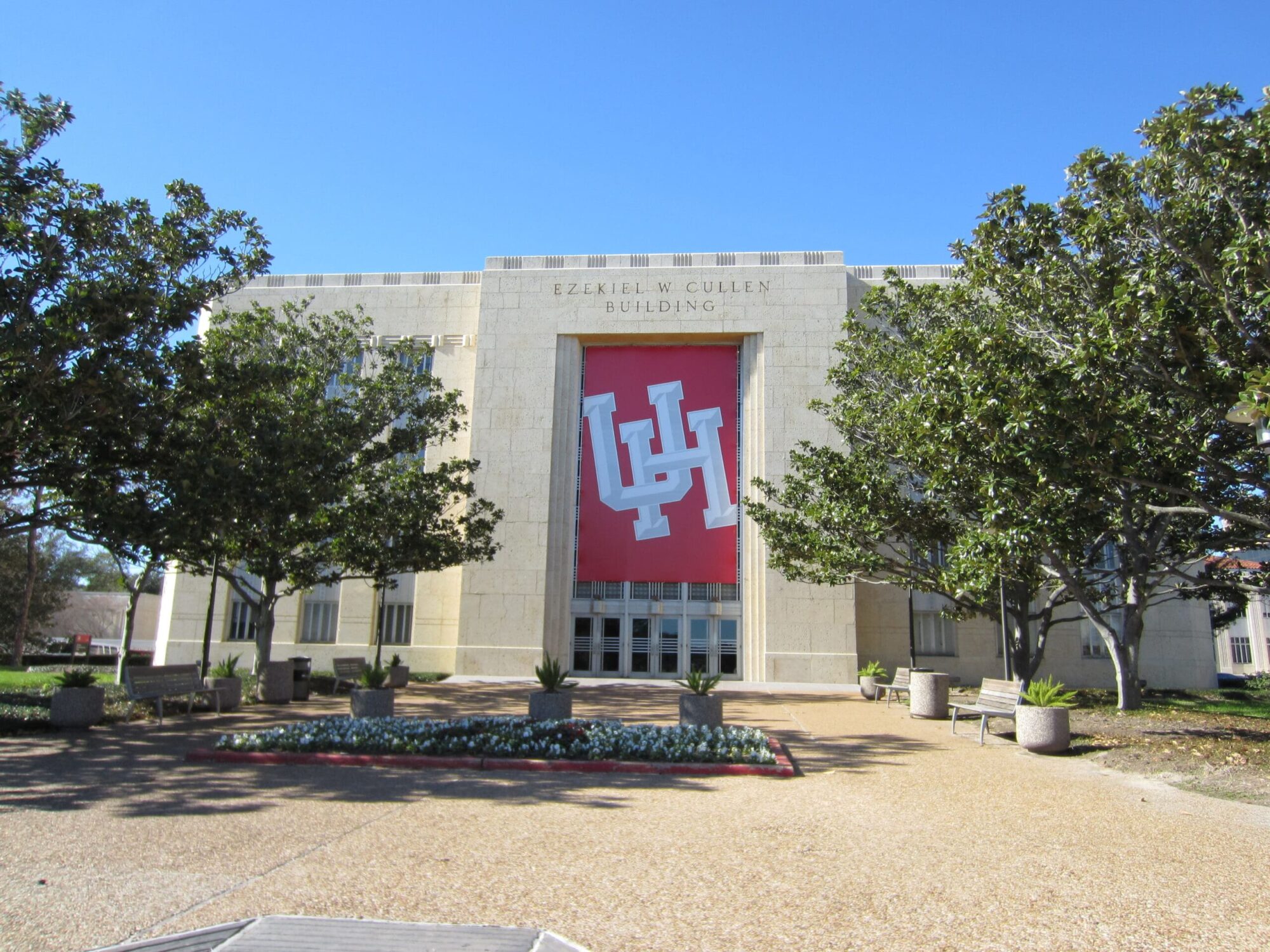
A coalition of University of Houston graduate students is urging university leadership to subsidize health insurance premiums for graduate teaching and research assistants, citing rising costs following changes to federal Affordable Care Act marketplace subsidies.
Members of a group calling itself “Graduate Student Solidarity” recently held a press conference calling on UH to follow the example of other major Texas universities, such as Texas A&M and the University of Texas at Austin. They argue that current stipend levels leave some graduate workers struggling to afford health coverage.
According to university information, UH provides graduate assistants with monthly stipends ranging from $600 to $2,500. Some students say that places their annual income under $30,000. They estimate that the lowest-cost university-offered health plan can exceed $3,000 per year.
UH officials say the university addressed healthcare costs in 2021 by increasing base pay for graduate assistants after conducting an internal study reviewing salaries and insurance premiums.
“The University proactively increased graduate assistant base pay in 2021 to account for health insurance premiums,” a university spokesperson said. “This approach was designed to allow students to pay premiums directly, based on their individual needs.”
The university has approximately 6,500 master’s and doctoral students. A university fact sheet lists 1,381 teaching assistants during the fall 2025 semester, though it is unclear how many total graduate students hold paid research or instructional roles.
Unlike the University of Texas at Austin and Texas A&M University, which subsidize health insurance premiums for domestic graduate student employees, UH does not cover those costs. Domestic graduate assistants are not required to purchase coverage and may enroll in a university plan, a private plan, or an Affordable Care Act marketplace plan.
International graduate students are required to carry health insurance under university policy and must enroll through UH because they are not eligible for federal marketplace plans. UT-Austin and Texas A&M similarly do not subsidize premiums for international graduate students.
Some UH graduate students say changes to federal healthcare subsidies have increased their monthly expenses.
Physics Ph.D. student Daniel Huff said he previously paid approximately $30 per month for coverage through the federal marketplace. He said that cost rose to about $175 per month at the start of the year.
“I’m one of the lucky ones,” Huff said. “And yet they could pay us more and then I would have more income towards healthcare, or they could cover it all. Because they pay us so little and don’t provide us with health care, my option is Affordable Care Act, and that is no longer a sustainable option.”
The premium changes follow adjustments to federal subsidy policy. In 2021, Congress temporarily expanded Affordable Care Act premium tax credits through the American Rescue Plan Act, a COVID-era spending package that increased federal assistance and broadened eligibility for subsidized coverage. Those enhanced credits were later extended through 2025 by the Inflation Reduction Act.
The expanded subsidies increased federal spending on healthcare premium assistance and reduced monthly costs for many marketplace enrollees during that period. With the enhanced provisions expiring, subsidy levels have shifted closer to their pre-2021 structure, leading some individuals to experience higher monthly premiums depending on income and plan selection.
Efforts to extend the enhanced premium tax credits beyond their scheduled expiration faced opposition from many Republican lawmakers, who argued that the pandemic-era subsidy increases were temporary measures and raised concerns about long-term federal spending. While some Democrats pushed to continue the expanded assistance, Congress ultimately did not pass legislation to renew the enhanced credits, allowing them to expire under existing law.
Organizers said they submitted approximately 40 pages of healthcare-related testimonials to UH System Chancellor Renu Khator three months ago but have not received a response.
As of publication, UH has not announced any changes to its graduate student health insurance policies.