Updated February 13
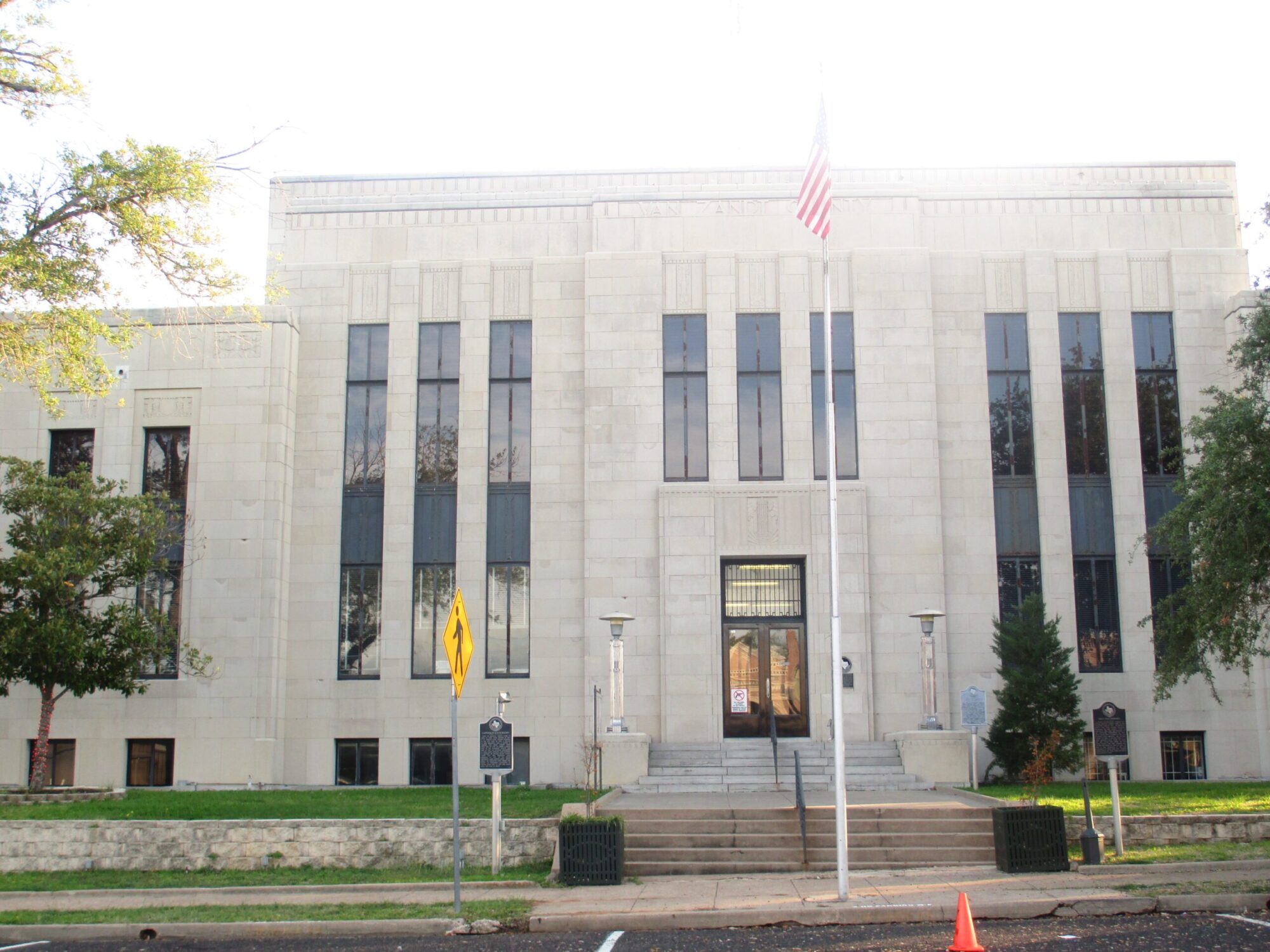
Van Zandt County Commissioners have unanimously approved a temporary halt on all “green energy” projects following hours of public testimony in favor of the moratorium.
Residents, elected officials, and activists from across Texas encouraged the Van Zandt County Commissioners Court to adopt the temporary moratorium on nonoperating “green energy projects” such as solar, wind, and battery storage.
The pause—the first of its kind—is tied to Attorney General Ken Paxton’s ongoing investigation into Chinese‑sourced components—especially batteries from CATL—being used in Texas energy infrastructure.
Van Zandt officials say the county is already facing plans for more than a dozen large projects and needs time to assess safety, national security, and legal risks.
Local citizens pointed to the Amador battery storage site as a warning sign, noting that Van Zandt’s fire marshal and district attorney had to seek a restraining order after testing raised concerns about thermal runaway and a lack of documented compliance with NFPA 855 fire standards.
Nancy White, the president of the Legislative Energy Action Foundation who has spearheaded the effort, told the court, “The reality is that we have the means to do this, because your people are in danger, not only from a fire. We’re not just talking about a fire, we’re talking about a foreign adversary who is known for using military-civil fusion. What that means is they will use your property, a civilian build on your property, to endanger you for military purposes.”
White, alongside many others, also warned that rural fire departments are not equipped to handle worst‑case battery fires, toxic plumes, or long‑term contamination if something goes wrong.
Additional public testimony focused on CATL’s ties to the Chinese Communist Party and the risk of backdoor access to the Texas grid, echoing state‑level concerns that foreign adversaries could undermine the power grid.
State Sen. Bob Hall (R–Edgewood) was among those that showed up to the meeting on Wednesday.
Rachel Hale, the Rusk County GOP Chairwoman, thanked the court “for thinking outside the box and working within Texas law to form the 391 commission and utilize state fire codes to temporarily halt construction here at Van Zandt County.”
Hale said the court passing the moratorium would “send a strong and decisive message, not only for Van Zandt County, but for the entire state of Texas.”
At the same time, an opponent to the moratorium argued that projects bring tax revenue, bolster grid reliability, and fall within traditional notions of property rights, warning the county could face costly lawsuits similar to Franklin County’s failed attempt to ban solar farms.
Commissioner Cliff Williams framed the moratorium as a legally narrow, time‑bound pause that relies on existing state tools—health and safety codes, NFPA standards, the Lone Star Infrastructure Protection Act, and the governor’s prohibited‑technology list—rather than an outright permanent ban.
He rejected the idea that counties are powerless to stop these projects, “Some folks have said there’s nothing you can do. We beg to differ.”
“Across this great state, there are communities watching quietly, hoping that their leaders will rise with the same clarity of purpose,” added Williams. “Van Zandt County has never waited for permission to do what’s right.”
With rural counties across Texas looking for ways to push back on industrial‑scale, unreliable energy projects and foreign‑linked equipment, Van Zandt’s move will likely serve as both a roadmap and a test of how far local officials can go without violating state limits on county power.