If there were a “Ten Texas Commandments,” one of the highest would be “Be A Good Neighbor.” Current events notwithstanding, Texas has a cultural history of radically supporting property rights. Without any conflict, we have long maintained that those rights end where a neighbor’s enjoyment of his property begins. And this is where we find the current brouhaha over “data centers.”
Advances in technology allow us to have real-time, face-to-face conversations with friends and loved ones literally around the world… at a price point that is essentially free. We have access to every book ever written and sermons from great pastors long deceased. And we can read your comments about this piece almost as soon as it is posted.
So, yes, we really like the tools available in the Information Age that are powered by server farms and data centers.
Arguing against data centers is like arguing against hammers; whatever the tool (how it’s used, where it’s made), one must make careful distinctions to avoid sending the baby out with the bathwater. We’ve been here before. Telephones would destroy society. Electricity was a fad and a horror. Airplanes would kill us all. Automobiles were going to end civilization. The Industrial Revolution was going to make life unlivable. No doubt, the wheel was eyed with suspicion.
Between geography, climate, law, and culture, Texas has become a hub for data centers. That is not good or bad; it just is. Like any booming industry, good players are attracted as surely as bad. Bad players, though, tend to hog the spotlight and sour everyone else’s outlook.
And the data center industry has some real doozies.
Over the last several years, whatever the legitimate players might intend, data center builders have been perceived as bad neighbors. That doesn’t necessarily mean they are all bad people or doing bad things; acceptable behavior in one neighborhood isn’t in another. Outside interests just have not seemed overly concerned with how to be good neighbors in Texas. That will be to their detriment.
While their actions (buying cheap land in rural areas to build monstrous single-use facilities) have been “legal,” the data center industry has advanced their construction activities without first engaging the community in conversation. Required? No. (But Michael’s neighbor didn’t have to tell him about work she was having done on her fence; she did anyway … as a good neighbor.)
Being a good neighbor goes both ways, but that requires open and honest communication. Real expectations must be clearly established, not whitewashed or imposed.
Similarly, good neighbors don’t expect others to pick up the tab for their infrastructure—no matter how lofty the promised societal benefits might be.
So add a lack of meaningful communication to the “bad neighbor” problems of (perceived?) noise, water, and power (which could be mitigated), alongside healthy suspicions of AI-enabled privacy invasions and job disruptions, and an explosive political powder keg is the inevitable result.
But before anyone starts, let us set aside the dispersions about China funding data center opposition on the one side, or liberals pushing construction to ruin rural Texas on the other … Such claims grow in the rancid soil of bad neighbors. Yes, perhaps the data center folks started it, but the reverberations are capturing us all. It is possible for people of good will to sincerely hold contrary positions without being “paid off” by a nefarious actor.
There is good news for everyone. Texas’ history shows that “bad neighbors” can be brought to heel to everyone’s benefit. The Lone Star State has a tremendous framework for dealing with what could be (and, indeed, once was) considered a “nuisance” industry. Sure, it produces great wealth, but it also entails bulky infrastructure that, when done wrong, can eventually be abandoned.
It’s called the oil and gas industry.
Go back to the early 20th century when oil was discovered, and the first of many booms was launched. Many of the players were neither nice people nor good neighbors. It was dirty and messy. Communities were disrupted. Yet, between the forces of culture, law, and technology, the oil and gas industry quickly became the symbol of Texas business. The “nuisance” factor of its early days has been mostly eliminated, except in the minds of those who just hate reliable power and energy independence.
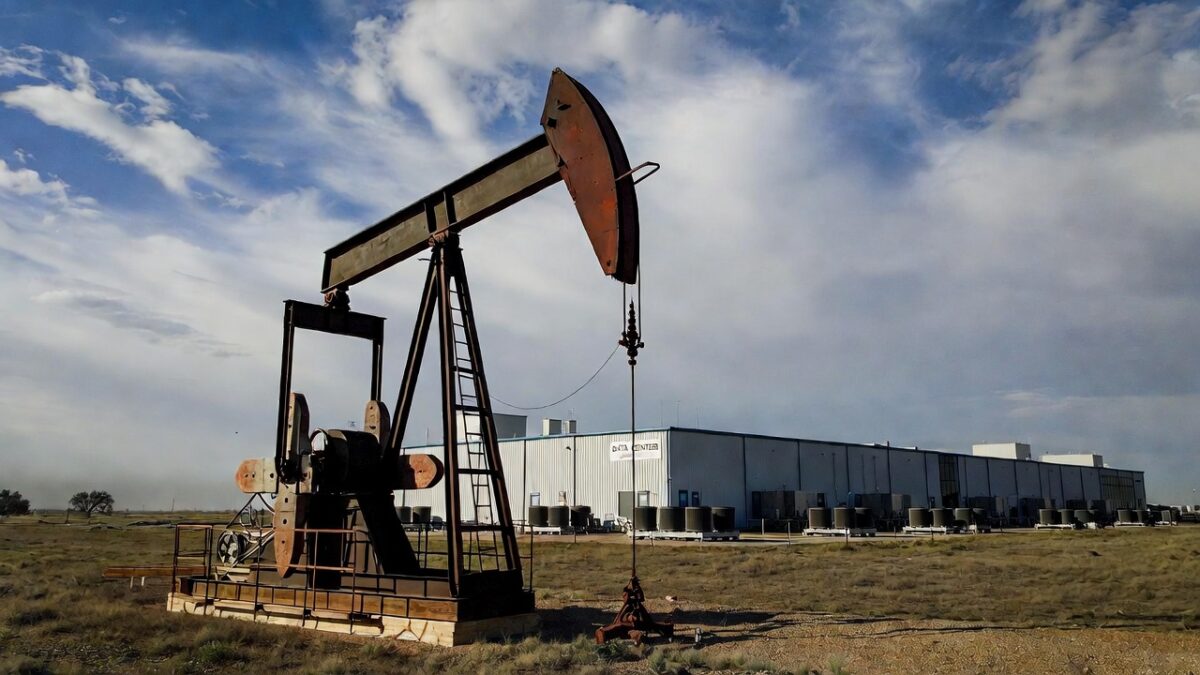
Perhaps the answer is moving the regulation of data centers under the auspices of the state agency that has kept the neighborly peace for decades? The Texas Railroad Commission has figured out how to regulate the nuances of the oil and gas industry sensibly and effectively. The practical similarities between data centers and oil production are more numerous than one might imagine.
Whatever laws and regulations the politicians impose, legitimate data center builders must take it upon themselves to be better neighbors. And the rest of us need to consider if we want to look to the future or cling to the past. More importantly, we must define that future before it is defined for us.