Gov. Greg Abbott is ordering Texas agencies to fast-track policy changes aimed at steering more Texans into high-demand trade jobs and other non-degree careers.
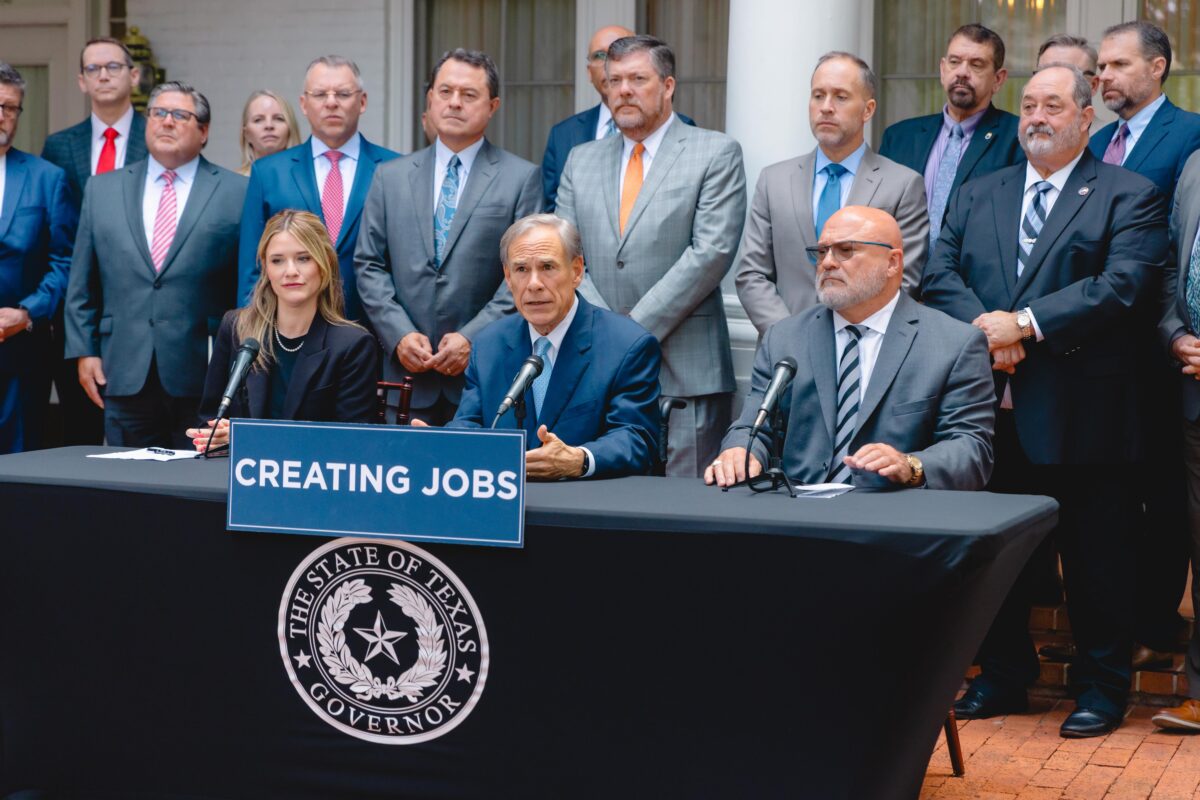
At a press conference at the Governor’s Mansion, Abbott said the demand for a high‑skilled workforce has never been greater and announced immediate directives for four state agencies, based on recommendations from his newly created Texas Jobs Council.
The council, launched in March, is tasked with finding actions that can be taken now—without waiting for the 2027 legislative session—to strengthen workforce pipelines.
The goal is to expand apprenticeships, promote trades careers as real alternatives to four-year degrees, and remove entry barriers for veterans, rural students, foster youth, and other underserved Texans.
Abbott’s directives instructed the Texas Workforce Commission to expand apprenticeship programs, create a one‑stop career‑planning website, build clearer pathways for Texans with barriers to employment—specifically veterans, foster youth, and Texans with disabilities—and launch a new platform connecting workers and employers.
On the K–12 side, Abbott is pushing the Texas Education Agency to treat skilled trades as a central part of high school options rather than an afterthought.
Abbott’s directives to the Texas Education Agency focus on recruiting more tradespeople into classrooms and giving students real options outside the four‑year degree track. He said he is directing TEA to “recruit more skilled trade professionals to teach high school career and technical education courses [and] better align industry certifications with current workforce needs.”
TEA is also supposed to expand “Try the Trades” experiences for rural and small school districts and increase access to dual‑credit workforce programs for high school students.
Abbott’s directives to the Texas Higher Education Coordinating Board focus on marketing and guidance. That includes using the My Texas Future platform to highlight non‑degree careers and providing more practical advising tools for K‑12 counselors and college advisors.
The Texas Department of Licensing and Regulation is being told to clear some of the regulatory hurdles that slows students from training into licensed work.
“I directed them to expand apprenticeships and career and technical education programs to younger Texas, to waive fees for CTE instructors, and to expand on‑site and remote licensing exam options,” he said. Those changes are layered on top of guidance that TDLR review age requirements, count rigorous training toward experience hours, and broaden exam access so new workers can move more quickly from training to licensure.
The council is scheduled to reconvene this fall to draft formal legislative recommendations for the 90th Legislature, with a final report expected in November 2026.