New census data reveals that the real population growth in Texas is happening outside urban counties. If that trend continues, it could drive a mid-cycle redistricting in 2027 for state legislative districts.
More broadly, Texas continues to see population gains. Texas counties collectively added more residents than any other state between July 2024 and July 2025, but their growth also reflects the nationwide cooling in population growth, which may be attributable to the Trump administration’s efforts to secure the border and aggressively deport illegal aliens.
The fastest‑growing parts of the state remain the suburban counties ringing major metros, while a wide swath of rural Texas either barely grew or continues to lose residents, a trend that can be seen in the panhandle and in border counties.
Census demographers attribute most of Texas’s county‑level gains to domestic migration, people moving in from other states or from elsewhere within Texas, supplemented by still‑positive, though slowing international immigration.
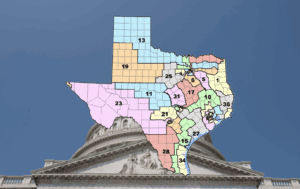
The census trends will shape a wide range of issues in 2027, including transportation planning, school spending, hospital locations, and a potential midcycle legislative redistricting.
These shifts mean that legislative districts are becoming rapidly unbalanced. With suburban and exurban districts comparatively overpopulated, less-populated urban districts are given an outsized voice, threatening the notion of “one man, one vote.”
In a Real Texans interview aired before the public release of the historical data, State Rep. Todd Hunter (R–Corpus Christi) said lawmakers had been given pre-census data that showed Texas projected to gain four congressional seats.
When asked about a midcycle redistricting, Hunter noted “there is discussion, a lot through the grassroots,” and that pending the outcomes of multiple court cases to be decided ahead of the session, action could be sparked.
According to Hunter, “the US Supreme Court has said there’s nothing wrong with redistricting based on political performance,” and that’s important because redistricting should be a reflection of the state.
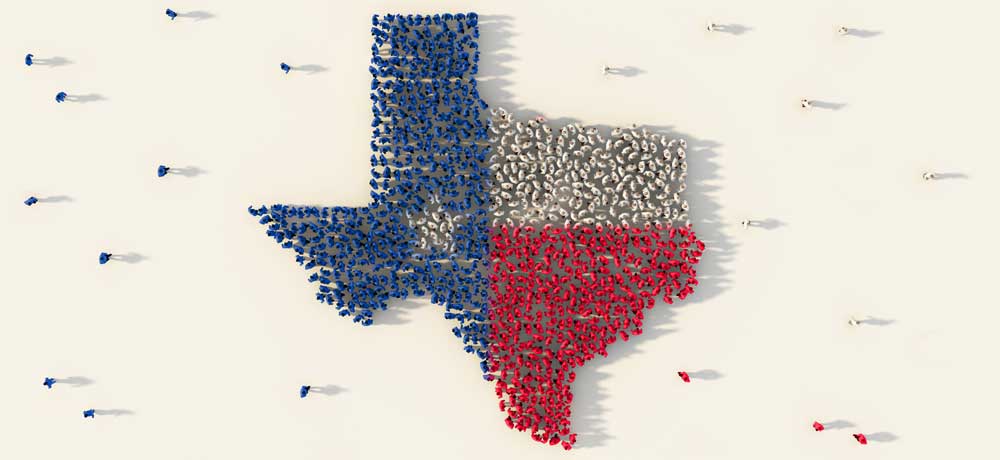
New federal estimates show Texas’ population reached about 31.7 million by July 1, 2025, up roughly 391,000 people from a year earlier, a 1.2 percent gain that more than doubles the national growth rate.