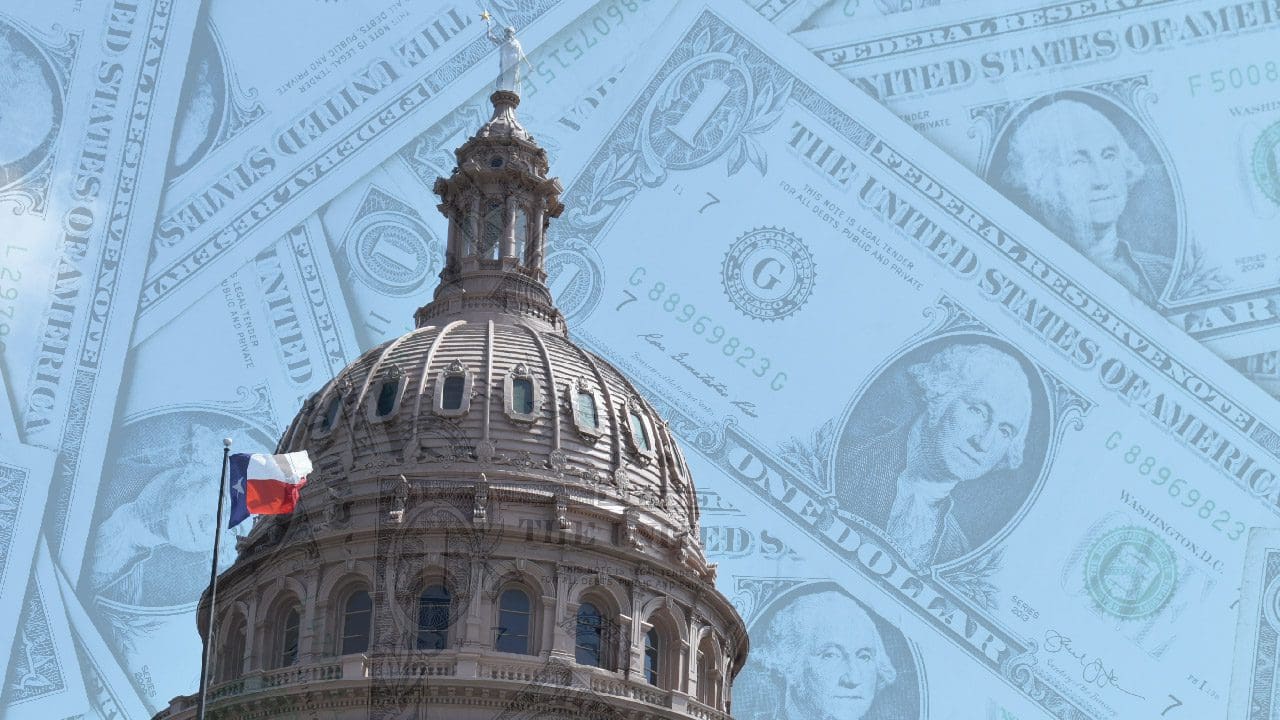
Taxpayer-funded lobbying in Texas has more than doubled in recent legislative sessions, according to a new report, as efforts to ban the practice continue to stall in the Texas House.
The analysis, published by the Texas Public Policy Foundation, finds that taxpayer-funded lobbying expenditures grew from an estimated $20.7 million to $47.3 million during the 85th Legislature in 2017 to as much as $111.5 million during the most recent session. The findings come as lawmakers have repeatedly debated whether local governments should be allowed to use public funds to influence legislation at the Capitol—a practice that remains legal despite multiple attempts to prohibit it.
Taxpayer-funded lobbying refers to the use of tax dollars by cities, counties, school districts, and other political subdivisions to advocate for or against legislation. These efforts can take several forms, including hiring contract lobbyists, employing in-house government relations staff, or funding associations that lobby on behalf of their members.
Unlike state agencies, which face stricter limits on lobbying activities, local governments in Texas retain broad discretion to spend taxpayer money on legislative advocacy.
One of the most prominent vehicles for that advocacy is government-backed associations such as the Texas Association of School Boards, which is funded through dues paid by public school districts and engages in lobbying on education-related legislation.
The report finds that education policy—particularly legislation affecting school districts and charter schools—has been a consistent focus of opposition from taxpayer-funded lobbyists. That includes high-profile debates over school choice proposals, which have faced organized resistance from groups representing local school districts.
Beyond education, taxpayer-funded lobbyists have frequently engaged in legislation involving property taxes, local regulatory authority, and civil liability. In many cases, the report finds, those lobbyists opposed measures that would limit local governments’ taxing power, spending, or regulatory control.
The study also found that taxpayer-funded lobbying is not confined to a small group of advocates.
Of the 3,345 lobbyists identified across five legislative sessions, 1,080 represented at least one taxpayer-funded client. The share of lobbyists working on behalf of such clients increased from 24 percent in the 85th Legislature to 31 percent in the 89th.
In most cases, those lobbyists represented a mix of public and private clients, a dynamic the report says can create potential conflicts of interest.
Efforts to curb the practice have passed the Texas Senate in recent years, where lawmakers have repeatedly approved measures to ban or restrict taxpayer-funded lobbying.
Those proposals, however, have consistently failed to advance in the Texas House. During the most recent session, House State Affairs Chairman Ken King refused to give the legislation a hearing.
Gov. Greg Abbott has also highlighted the issue, placing restrictions on taxpayer-funded lobbying on the agenda during multiple special legislative sessions last year. Despite that push, lawmakers did not ultimately send a ban to his desk.
Supporters of taxpayer-funded lobbying argue that local governments need a voice in the legislative process, particularly on policies that directly affect their operations and funding. Opponents counter that the practice allows government entities to use public money to advocate for expanded authority and spending, often at odds with the interests of taxpayers.
The issue was made a legislative priority of the Republican Party of Texas during the most recent session.