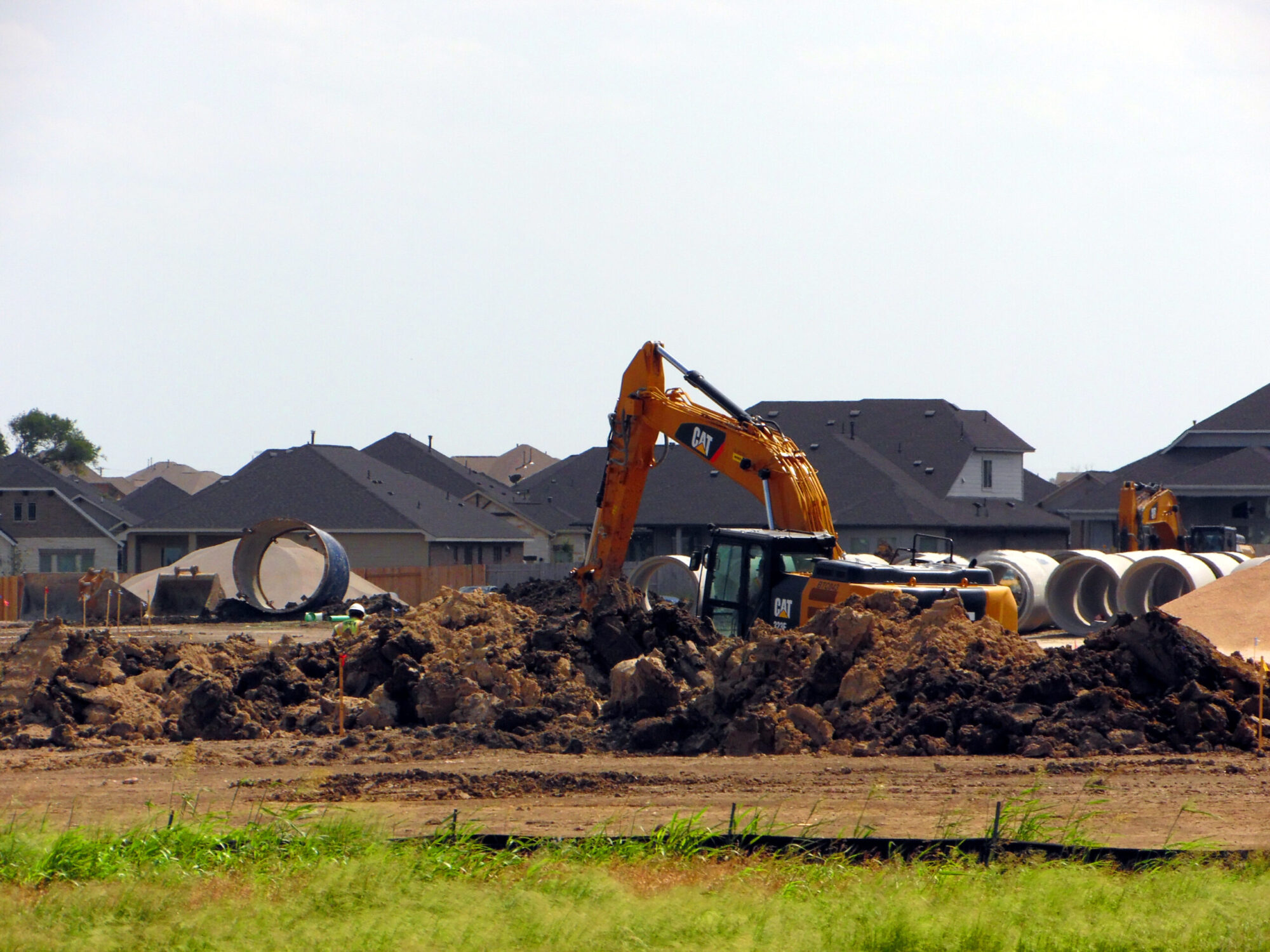
During an interim hearing on Monday, members of the House Land and Resource Management Committee heard testimony on recently enacted housing reforms and considered additional proposals aimed at speeding permitting, trimming fees, and expanding pre-approved building plans.
The hearing comes as housing affordability remains a concern across much of Texas.
Ed Pinto of the American Enterprise Institute’s Housing Center said housing is traditionally considered affordable when the median home price is roughly three times the median household income.
Many Texas markets exceed that benchmark, with committee Chairman Gary Gates (R–Richmond) noting the state’s median income is about $94,600 while median home prices in many of the state’s largest metropolitan areas range from the mid $300,000s to nearly $600,000.
The committee also reviewed implementation of four major housing measures approved during the 89th Legislature, including laws that reduce zoning protest requirements, allow smaller residential lots, expand by-right multifamily housing, and ease certain occupancy restrictions.
Witnesses generally said the reforms are positively affecting housing opportunities, although several cautioned that some local governments have adopted policies that could limit the laws’ intended effects. Others encouraged lawmakers to extend some of the reforms to additional jurisdictions.
Beyond reviewing recently enacted laws, the committee explored several new proposals that could be considered during the 90th Legislature.
One proposal would expand the use of third-party building inspections by encouraging developers to hire licensed private firms instead of waiting for city inspectors. This would reduce permitting delays and could increase housing supply.
Johnathan Killebrew, president of Metro Code, pointed to Fort Worth’s third-party inspection program as a successful model. Under that system, registered firms compete to provide inspections while the city conducts quality-control audits and can revoke firms’ authorization for poor performance.
“The lesson from Fort Worth is simple: third-party services work,” Killebrew said, later explaining, “When you add competition to the market, we see quality improvement.”
Fort Worth’s Director of Development Services D.J. Harrell testified the program has helped make the city one of the most efficient permitting jurisdictions in the nation.
Lawmakers also questioned whether local development fees are sufficiently transparent and whether some exceed the cost of the services they’re meant to fund.
Several witnesses testified that those costs are ultimately passed on to homebuyers and renters. Judge Shepard from the Texas Public Policy Foundation said that while a roughly $7,200 impact fee may be relatively insignificant on a high-end home, it can add about 3 percent to the cost of a $250,000 starter home.
Alina Carnahan of the Real Estate Council of Austin said some projects can become financially infeasible because of local fees.
Gates repeatedly questioned whether some fees have become revenue generators rather than cost-recovery tools.
“What it really does is it stops the little guy with a pickup truck and a hammer,” Gates said. “He can’t start in business.”
The last proposal the committee explored was whether cities should maintain catalogs of pre-approved residential building plans that could receive expedited approval.
While witnesses said the concept could reduce permitting times, Gates questioned whether local governments would meaningfully implement such a requirement if it were mandated statewide.
The next legislative session is set to begin January 12, 2027.