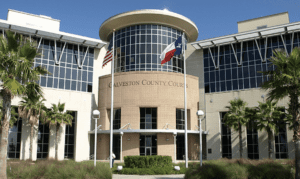
A lawsuit challenging the constitutionality of public beach closures during SpaceX flights has been dismissed by the Supreme Court of Texas. It was determined that only governmental actors can bring such suits—not private organizations.
The case—filed by a coalition including left-wing environmental groups—highlighted the conflict between a state constitutional amendment enshrining a public right to beach access, and later statutes allowing the state to exercise its duty to protect public safety by closing beaches for nearby rocket launches.
Background
The 2009 open beaches amendment to the Texas Constitution holds that the “public, individually and collectively, has an unrestricted right to use and a right of ingress to and egress from a public beach. The right granted by this subsection is dedicated as a permanent easement in favor of the public.”
However, portions of the act were amended in 2013 to allow public beaches to be closed “for space flight activities.” Commissioners of counties bordering the Gulf of America or its tidewaters could now close public beaches or access points that were in reasonable proximity to a space flight launch site on launch dates.
Since the laws passed, Boca Chica Beach in Cameron County has reportedly been closed for up to 450 hours per year to allow SpaceX to conduct launch activities.
This led Save the Rio Grande Valley (SaveRGV)—a left-wing environmentalist group—to file a lawsuit, claiming the law changes are an unconstitutional violation of the open beaches amendment.
Defendants included Cameron County, Texas Land Commissioner Dawn Buckingham, and Attorney General Ken Paxton.
The suit was joined by the Sierra Club—another left-wing environmental activist group—and the Carrizo/Comecrudo Indian Tribe. All three plaintiffs claimed their members had been harmed by the closures, as they regularly access Boca Chica Beach.
Defendants sought to have the lawsuit dismissed on jurisdictional grounds, claiming they are protected by sovereign immunity, that the open beach amendment does not create a private right of enforcement, that plaintiffs could not demonstrate they were harmed by the law, and that any alleged injury is not traceable to any of the parties named in the suit.
They contended the challenged statutes are “plainly rational” and do not violate the right to public beach access.
The 445th District Court of Cameron County granted each of the defendant’s pleas in regards to plaintiffs’ lack of standing. The court then dismissed the groups’ claims without considering whether they have merit. Plaintiffs appealed the decision.
The Thirteenth Court of Appeals found the plaintiffs have standing and that immunity had been waived for each defendant. The case was remanded to the trial court to proceed on the merits, but defendants appealed the Thirteenth Court’s ruling to the Supreme Court of Texas.
The Ruling
On Friday, the Texas Supreme Court unanimously dismissed the lawsuit—finding that the state and local governments shoulder the enforcement duty of the open beaches amendment. Although voters constitutionalized the right to use state-owned beaches in 2009, the amendment also specified what it was not creating—a private right of enforcement.
Because no governmental actor was seeking to enforce the amendment in this case—but merely private organizations that claim their constitutional rights have been violated—the Court determined the plaintiffs’ claims are barred.
“Because the claims are not viable, it follows that the defendants, all of whom are governmental actors, retain their immunity from suit,” wrote Justice Rebeca Aizpuru Huddle. “The trial court was thus correct to dismiss the case for lack of jurisdiction. We reverse the court of appeals’ contrary judgment and reinstate the trial court’s judgment of dismissal.”
Because the suit was dismissed on these grounds, the Court did not go as far as to specify the extent to which the public’s “unrestricted” right to beach access may give way to the State’s countervailing interest in protecting public safety.
That question of law will remain ambiguous for the foreseeable future.
If you or anyone you know has information regarding court cases, please contact our tip line: scorecardtips@protonmail.com.