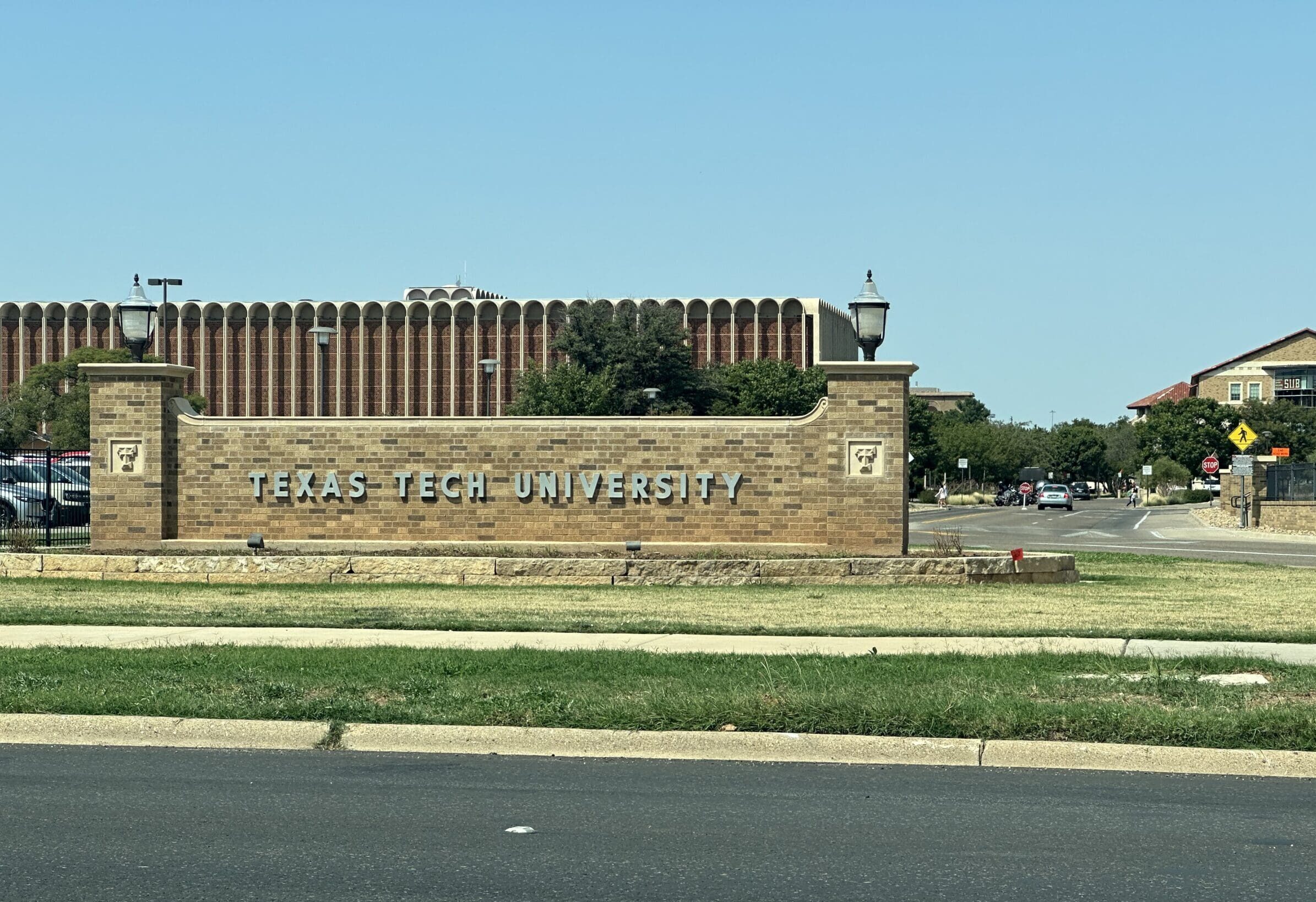
LUBBOCK–During their quarterly meeting, regents of the Texas Tech University System received a briefing on new research security obligations under a state law passed in 2025.
House Bill 127 established a statutory framework for research security at Texas’ taxpayer-subsidized universities.
Amy Cook, the university’s research security officer, told the regents’ audit committee about a series of certification requirements due by August 2026. Following this initial certification, regents will have to recertify on an annual basis.
Cook added that the new law shifts responsibility for research security, which was previously handled at the staff level, into a “board governance obligation.”
Chad Copeland, who holds a similar position for the Tech System’s health care institutions, discussed the responsibilities of a new Higher Education Research Security Council.
HB 127 is designed to protect higher education institutions from foreign espionage and the theft of trade secrets. The law establishes the Higher Education Research Security Council, which is tasked with creating a model research security policy, identifying best practices for vetting gifts from foreign adversaries, and developing an accreditation process for security excellence.
The legislation imposes strict requirements on how institutions handle foreign interactions. It bars institutions and their employees from accepting gifts they know are “directly or indirectly offered from a foreign source of a foreign adversary,” unless they are of de minimis value or undergo a rigorous vetting process.
Academic partnerships that compromise an institution’s curriculum or values to a foreign adversary are banned, and student organizations are also prohibited from receiving financial support from such sources.
Additionally, the law mandates a thorough screening and background check process for individual citizens of a foreign adversary—specifically those who are not permanent residents or have recent affiliations with foreign adversaries—before they can access sensitive research data.
To ensure compliance, the act requires institutions to maintain detailed records of employment-related travel to foreign adversaries and establishes a reporting system. Failure to comply can result in an institution becoming ineligible for state formula funding increases.
Finally, the law increases the penalty for the existing offense of theft of trade secrets when committed to benefit certain foreign actors.
Regents also discussed “security audits” during an executive session but took no action.
Prior to the meeting, a handful of protestors held a mock “funeral” for “academic freedom.”
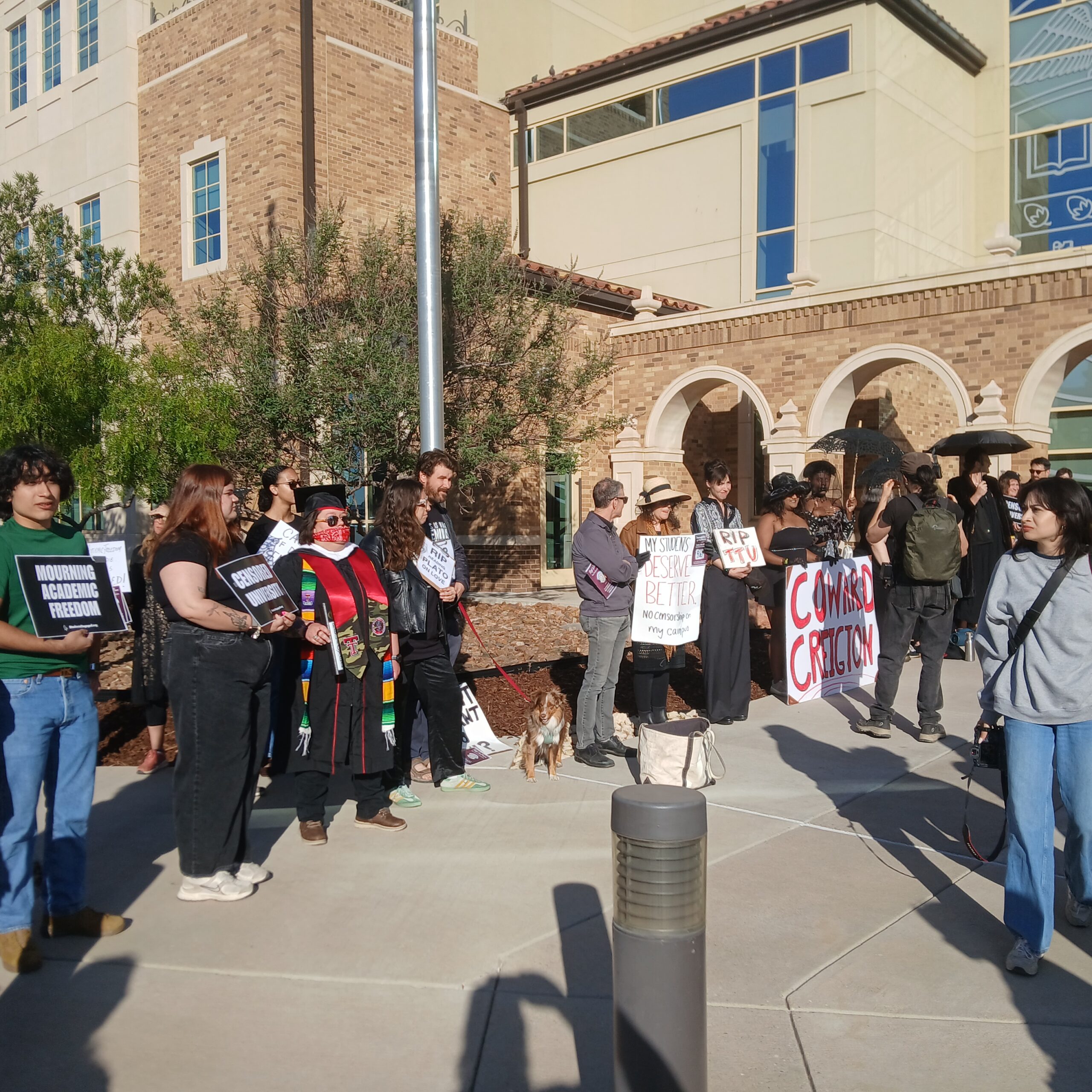
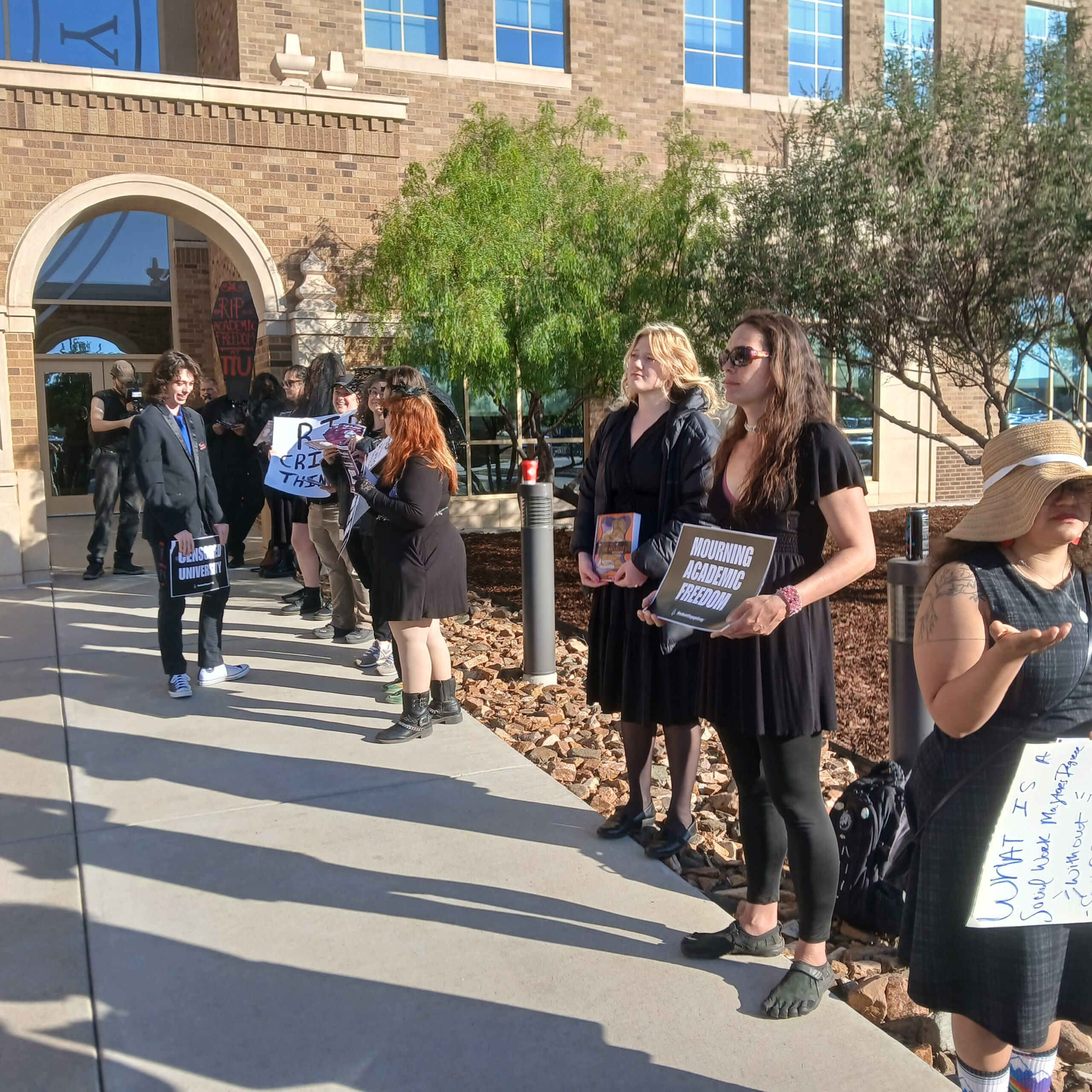
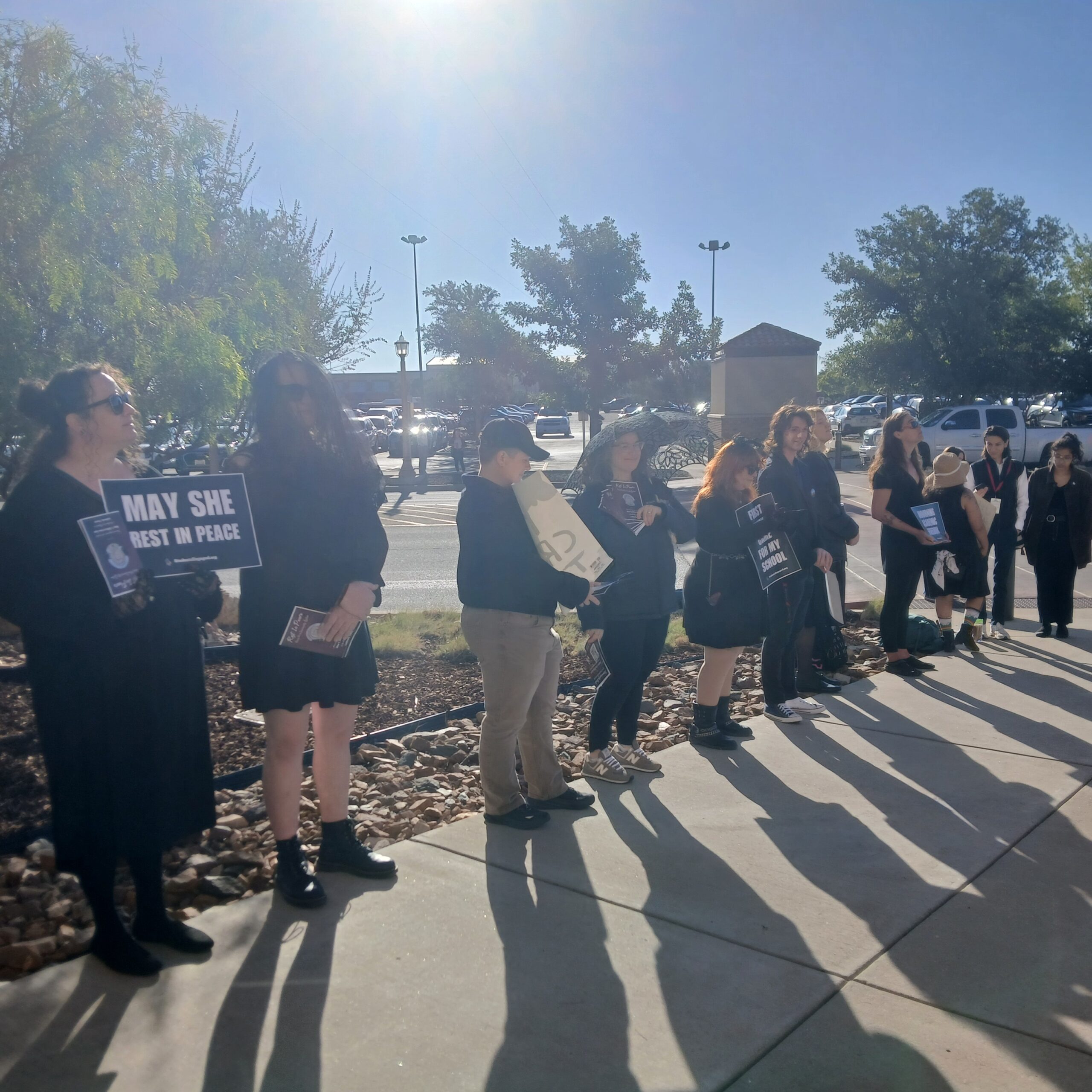
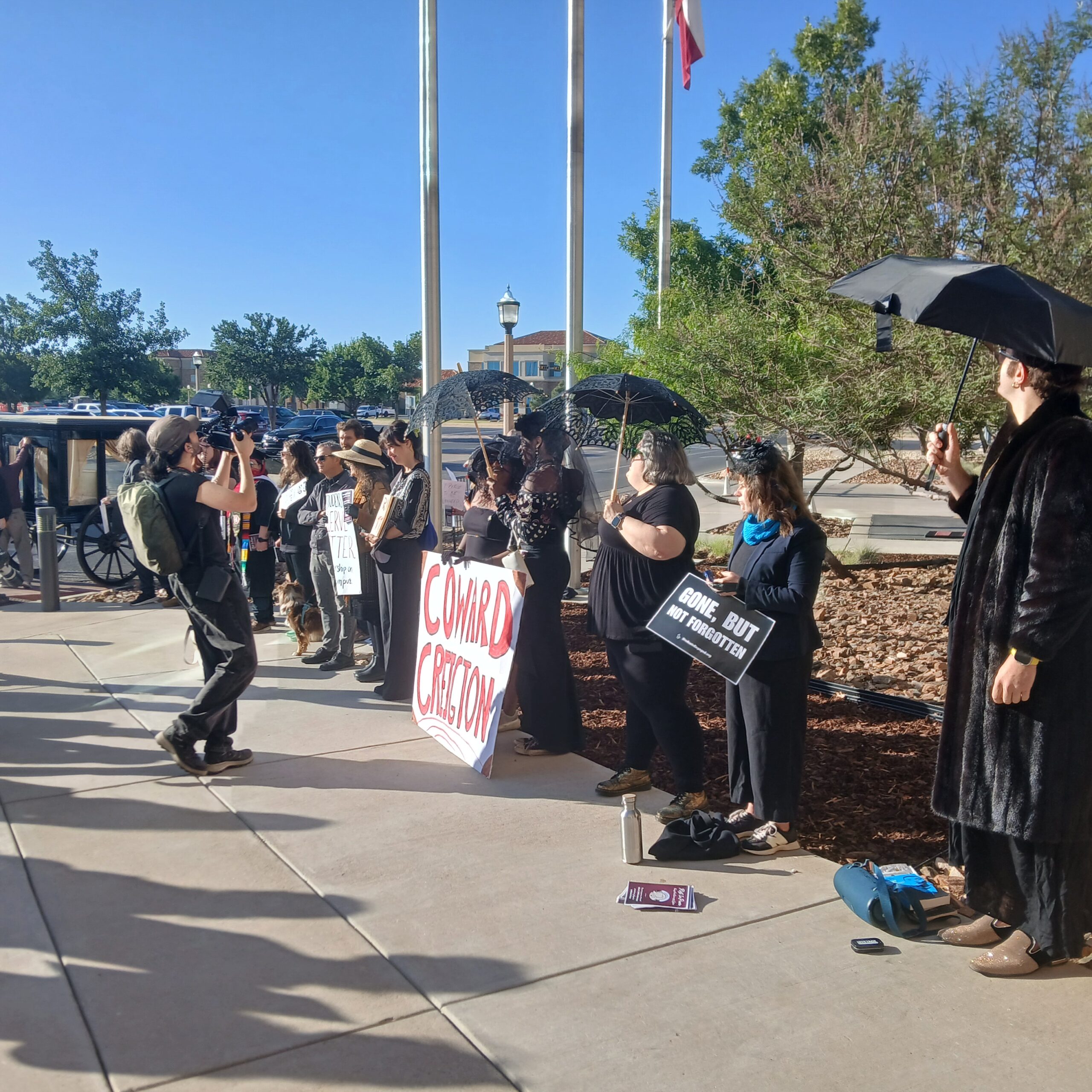
The protest motif was an homage to a 1944 UT-Austin protest in favor of controversial president Homer Rainey. In contrast to the 1944 event, which drew over 5000 students in support of Rainey, today’s action drew approximately two dozen attendees.
Finally, regents recognized the Red Raider football team, which won its first conference championship since 1955. At the time, Texas Tech was a member of the border conference.
Despite qualifying for the College Football Playoff for the first time ever, the Red Raiders failed to win a playoff game.
The Texas Tech University System consists of three academic institutions and two health sciences centers. The Texas Tech System is overseen by a Board of Regents appointed by the governor and confirmed by the Texas Senate. Cody Campbell of Fort Worth is the current board chairman.