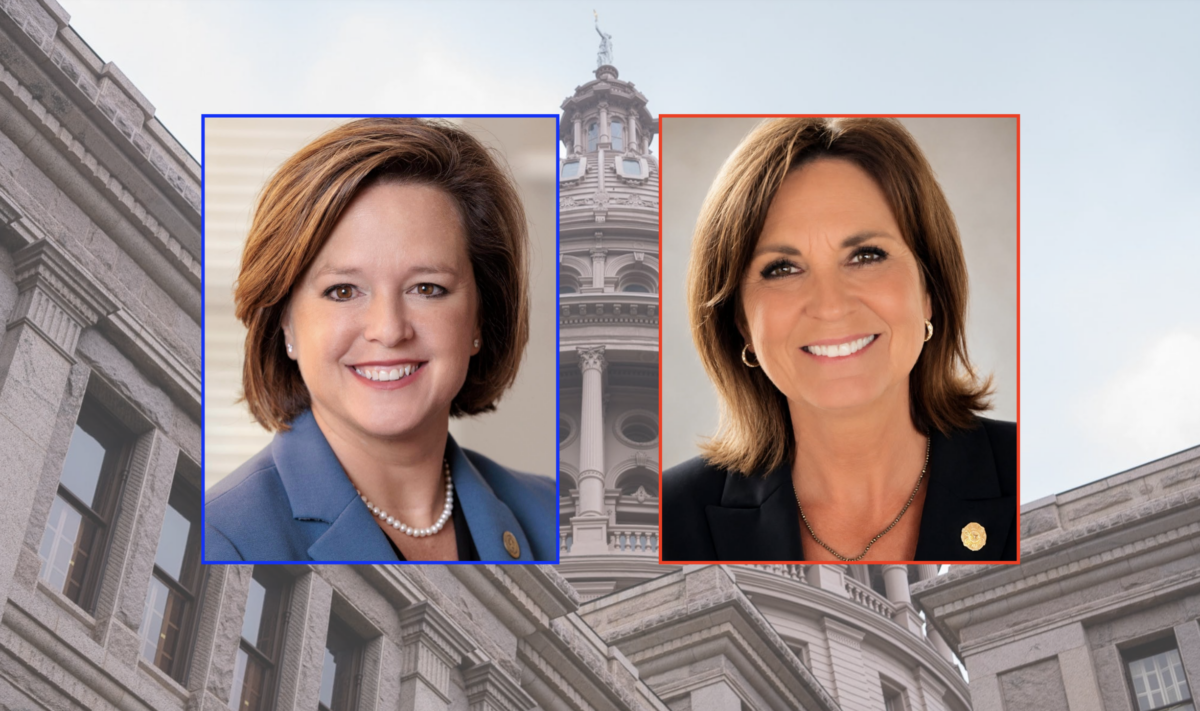
Two Texas lawmakers, a Democrat and a Republican, have filed matching measures to empower survivors of childhood sexual abuse by reopening avenues for them to pursue justice in civil courts.
House Joint Resolution 25 by State Rep. Ann Johnson (D–Houston) and its companion, Senate Joint Resolution 10 by State Sen. Angela Paxton (R–McKinney) call for a constitutional amendment to allow for retroactive laws regarding civil causes of action arising out of child sexual abuse.
Article 1, Section 16 of the Texas Constitution generally prohibits retroactive laws.
Constitutional amendments require approval by two-thirds of each legislative chamber to be placed on a statewide ballot, where they must be then approved by a majority of voters.
A constitutional amendment election will be held on November 2, 2027.
Texas law currently requires people abused as children to bring personal injury suits within 30 years.
The limitations period applies to abuse involving six of the most serious sexual offenses: sexual assault of a child, aggravated sexual assault of a child, continuous sexual abuse of young child or disabled individual, indecency with a child, compelling prostitution of a child or a disabled individual, and certain sex trafficking offenses involving children or disabled individuals.
Prior to legislation enacted in 2019, the civil limitations period for these child sex abuse offenses was 15 years. Before 2015, the limitations period was just five years.
The changes in limitations were not retroactive, leaving many survivors with no civil recourse.
Lawmakers noted in 2019 that child sex abuse is widespread, with national statistics showing one in four girls and one in six boys will be sexually abused.
Sexual violence against children is also vastly underreported, according to organizations like RAINN (Rape Abuse and Incest National Network), the nation’s largest anti-sexual violence organization and operator of the National Sexual Assault Hotline.
RAINN reports that many survivors often wait years or decades before disclosing their childhood sexual abuse for a variety of reasons, including an inability to understand and communicate what happened to them, fear that no one will believe them and they will be punished for telling, fear of retribution from the perpetrator, and self-blame.
Survivor and advocate Callie McDonald hailed the proposals to allow retroactive laws regarding childhood sexual abuse as “incredible news.”
“I hope there is a way to amend to include school sexual abuse victims,” added McDonald, noting that their claims would likely still fall under schools’ “sovereign immunity” that was removed last year by House Bill 4623.
McDonald’s testimony to lawmakers, based on her personal experiences, helped pass several educator sexual misconduct reforms including HB 4623 during the 2025 legislative session.
The 90th Legislative Session opens on January 12, 2027.