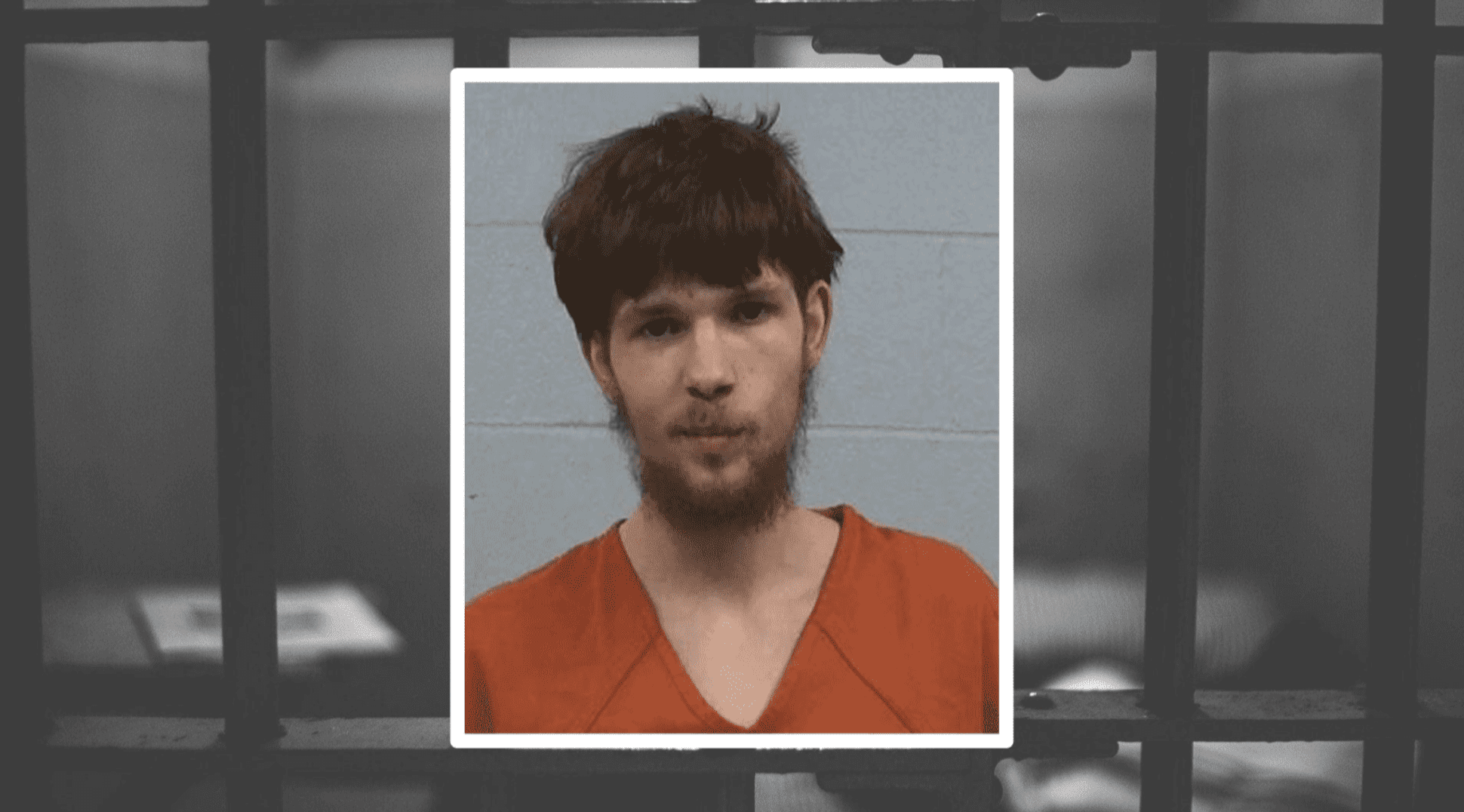
The U.S. Fifth Circuit Court of Appeals has reinstated the indictment of James Wesley Burger, an 18-year-old resident of Round Rock who allegedly made Islamic terrorist threats on Roblox.
A district court previously dismissed Burger’s indictment, arguing that his messages threatening a Christian music festival did not constitute “true threats” and were protected by the First Amendment to the U.S. Constitution.
The Fifth Circuit has remanded the case for further proceedings at the district court level with a full trial on the merits to determine whether these are “true threats” or “protected speech.”
Background
As previously reported, Burger was accused of using the Roblox account “Crazz3pain” in January 2025 to transmit threats to attack a Christian concert.
The FBI received reports from a witness who observed Burger speak about his desire to commit “martyrdom” at a Christian event and that he wanted to “bring humiliation to worshippers of the cross.”
He allegedly stated that he had guns and was ready to detonate his munitions and use his firearms on the path to martyrdom “In’shaa’allah.”
Burger was arrested on May 19, 2025 and indicted on June 17.
His defense counsel argued in part that his statements on Roblox did not constitute “true threats” and are therefore protected speech under the First Amendment.
In November 2025, U.S. District Judge Alan Albright in Austin agreed, concluding that no reasonable juror could find beyond a reasonable doubt that Burger’s statements were “true threats” and thus outside the protection of the First Amendment. He therefore granted Burger’s motion to dismiss the indictment and repeatedly ordered Burger’s release.
This decision was immediately appealed to the U.S. Fifth Circuit Court of Appeals in New Orleans, which stayed the district court dismissal while it considered the case.
Oral arguments were heard in January before a three-judge panel consisting of Chief Judge Jennifer Elrod, Judge Cory Wilson, and Judge Jerry Smith.
The Ruling
Last week, the panel released its decision, finding that “a trial on the merits is necessary to evaluate the sufficiency of the prosecution’s evidence.” The court therefore reversed the district court’s order dismissing the indictment, remanding it for a full trial on the merits.
The court reasoned that the threats occurred in a “church experience” on Roblox, which featured other extreme or offensive characters, including “skinheads arguing about race, balaclava-clad members of the Irish Republican Army, Nazi S.S. officers denying the Holocaust, and avatars dressed in Middle Eastern clothing debating the Koran and discussing violent jihadism.”
“It is unclear at this stage whether the typical Church player sincerely held the views which he espoused in the experience,” read the decision.
Prosecutors contend the Roblox user in Pennsylvania that saw these statements, screenshotted, and reported them to the FBI “was an experienced participant and had the ability to differentiate between role-playing and serious expressions within the Church experience.”
This tipster would reportedly be available to testify at trial.
Prosecutors also presented evidence of Burger appearing in the church experience alongside users “xandersrange” (whom the government identified as an ISIS supporter in Saudi Arabia) and “KardalAlli” (whom the government identified as a Bosnian ISIS recruiter). It is unclear whether Burger knew of their identities outside the game or where they lived.
Burger also typed out the date of his alleged attack on Roblox.
“I’ve come to conclude it will befall the 12 of Shawwal [April 12 on the Islamic calendar]. And it will be a music festival. Attracting bounties of Christians. In’shaa’allah we will attain martyrdom. And deal a grievous wound upon the followers of the Cross. Pray for me and enjoin yourself to martyrdom,” he wrote.
Prosecutors presented evidence that a Christian concert was scheduled for April 12 in Austin. Burger also made disturbing searches outside of the game itself, which, the prosecution argues, signifies that he wasn’t merely roleplaying within the experience.
On February 28, 2025, investigators executed a search warrant at Burger’s residence. During the 11 hours the FBI spent at his residence, Burger made a plethora of concerning statements.
When asked of his intention behind the threats, Burger stated that “the intention and the action is something that is meant to or will cause terror.” Asked whether he was a terrorist, Burger responded, “I mean, yeah, yeah. By, by the sense and by my very own definition, yes, I guess, you know, I would be a terrorist.”
Burger was then asked whether he would be looking to acquire a rifle to carry out an attack, to which he responded, “Yes. Pretty much.”
However, Burger’s counsel moved to suppress these statements, arguing they were obtained without informing him of his Fifth Amendment Miranda rights. The prosecution did not contest this motion, meaning the statements will not be used in the case.
If you or anyone you know has information regarding court cases, please contact our tip line: scorecardtips@protonmail.com.