SNAP recipients and a convenience store trade association have filed a federal lawsuit challenging the U.S. Department of Agriculture’s approval of restrictions on food purchases in 18 states, including Texas.
Filed on Wednesday in the U.S. District Court for the District of Columbia, the proposed class action argues that the agency exceeded its statutory authority by allowing states to prohibit purchases of certain foods and beverages with Supplemental Nutrition Assistance Program (SNAP) benefits.
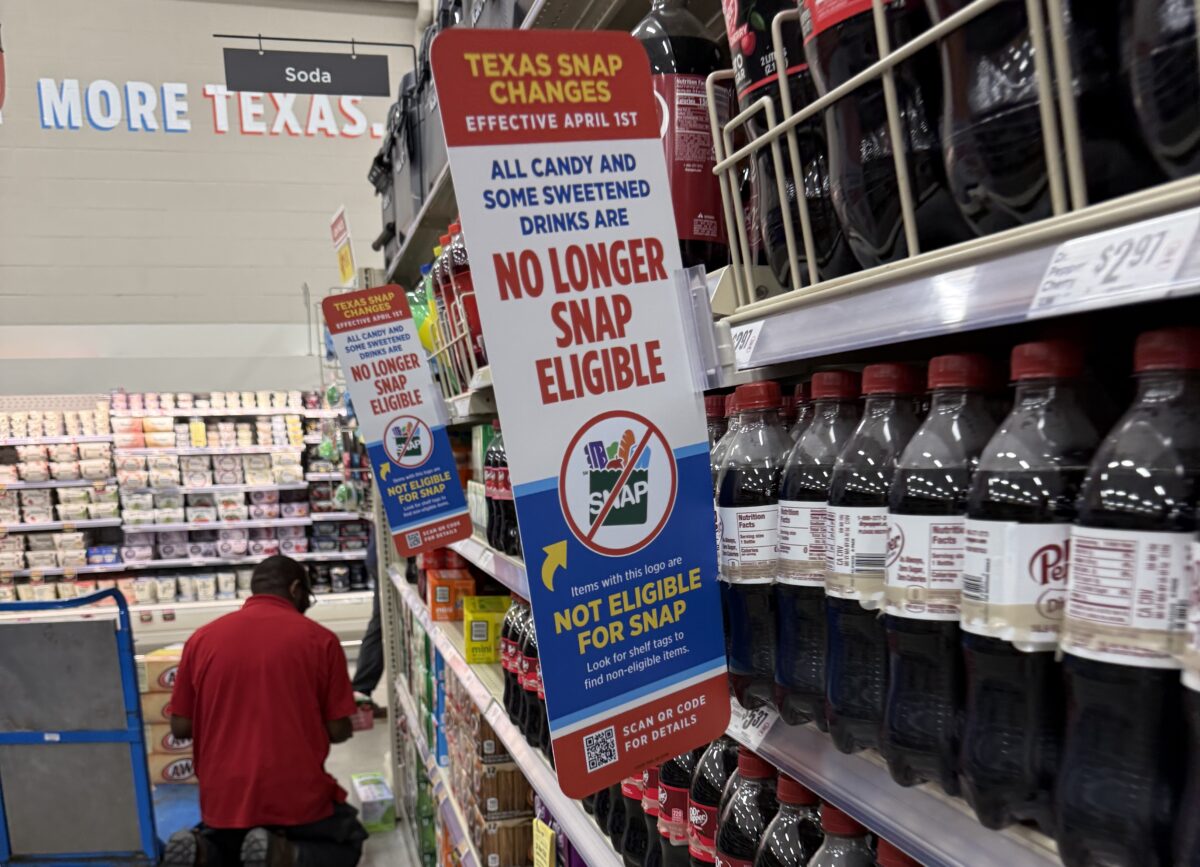
Texas’ SNAP rules prohibiting the purchase of candy or sweetened drinks with program funds took effect in April. Texas lawmakers supporting the SNAP waiver had argued that funding soda and junk food with tax dollars would lead to a need for taxpayer-subsidized healthcare.
The plaintiffs alleged that the USDA encouraged states to submit SNAP Food Restriction Waivers and are asking the court to set aside the challenged waiver approvals and block similar approvals under the statutory provision USDA used.
The lawsuit follows a June ruling in a separate case that vacated five other states’ food restriction waivers. The new complaint argues that the remaining 18 approvals have the same legal defects.
The complaint claims that the USDA relied on a provision authorizing administrative pilot projects rather than meeting the separate requirements for projects aimed at improving recipients’ dietary health. The plaintiffs also accuse the agency of failing to explain its reversal of earlier policy and violating public notice requirements for some approvals.
According to the USDA, the waivers “restrict the purchase of non-nutritious items like soda and candy. These waivers are a key step in ensuring that taxpayer dollars provide nutritious options that improve health outcomes within SNAP.”
Restrictions across the various states include soda, candy, energy drinks, and prepared desserts.
Some of the plaintiffs alleged that the restrictions prevent them from buying soda or candy that help ease symptoms of health issues such as POTS, diabetes, gastrointestinal issues, and dizzy spells.
One plaintiff claims to need “safe foods” like sodas and candies to prevent sensory overload, autistic shutdowns, or meltdowns.
Rhonda Salinas from Corpus Christi, Texas, argued that her younger children are “limited in what they will eat and drink,” and she supplements water with flavoring and sweeteners “to prevent her children from becoming dehydrated.”
Plaintiff Kathryn Fitzpatrick said she relies on energy drinks “to help manage her ADHD.” “Because of her ADHD, cooking is very difficult,” according to the suit.
Plaintiff Jakob Nasakaitis from San Marcos, Texas, “relies on energy drinks to stay productive at school.” With the new SNAP restriction in Texas, “he is unable to purchase the energy drinks he relies on.”
One plaintiff allegedly can no longer buy ginger candy for nausea with SNAP funds. Another drinks soft drinks for hydration, struggles to drink enough water, and now cannot “purchase the soft drinks she has been consuming her entire life.”
The South Carolina Convenience & Petroleum Marketers Association listed burdens of complying with restrictions and concerns about loss of SNAP retailer status in the suit.
The National Center for Law and Economic Justice and Shinder Cantor Lerner LLP are representing the plaintiffs.