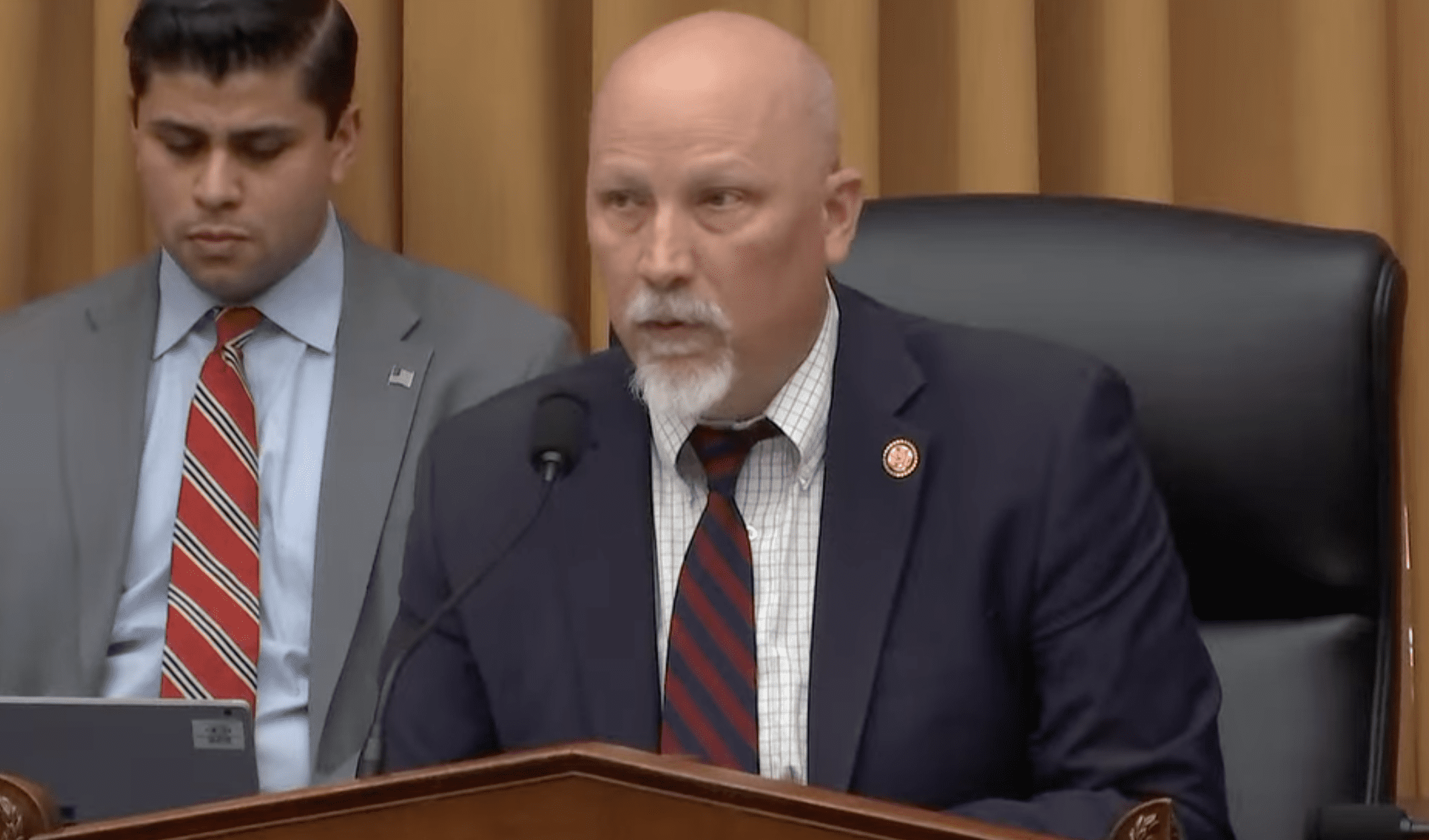
U.S. Rep. Chip Roy wants the Trump administration to crack down on legal immigration after last week’s U.S. Supreme Court decision thwarting a presidential executive order to address birthright citizenship.
In a letter to the Trump administration, Roy (R–Austin) said that while the administration works to secure the nation from illegal immigration, the current level of legal immigration should be reassessed to ensure that the “economic opportunities, cultural and social cohesion, or security” of American citizens is not negatively impacted.
Expressing concern about increasing pressure on housing, schools, and healthcare services, Roy wrote that the “American people deserve transparency so we can ensure our immigration system puts American workers, taxpayers, and communities first.”
According to the congressman, the U.S. takes in approximately one million legal immigrants each year because of the Immigration Act of 1990. This accounts for roughly 34 million immigrants over the last 35 years. He also explained that more than 10 million nonimmigrant visas are issued to visitors such as guest workers, foreign students, and tourists.
Roy went on to cite an analysis of last year’s Current Population Survey (CPS) by the Center for Immigration Studies, which highlighted legal and illegal immigrant totals of “53.3 million and 15.8 percent of the total U.S. population in January 2025.”
“Understandably, our nation, being one of great opportunities, has attracted millions from across the globe for decades,” wrote Roy, but he also emphasized that the federal government must “set reasonable limits” to ensure that “American communities are not overwhelmed” by legal immigration that can encourage cheap labor, prevent assimilation, and enable subversive ideologies.
In November of last year, Roy introduced the “Pause Act ” to freeze all immigration until Congress addressed problems of chain migration, birthright citizenship, and H-1B visas. The proposed legislation was referred to the House Committee on the Judiciary, where it awaits further action.