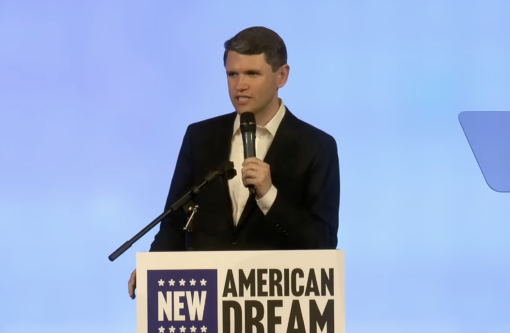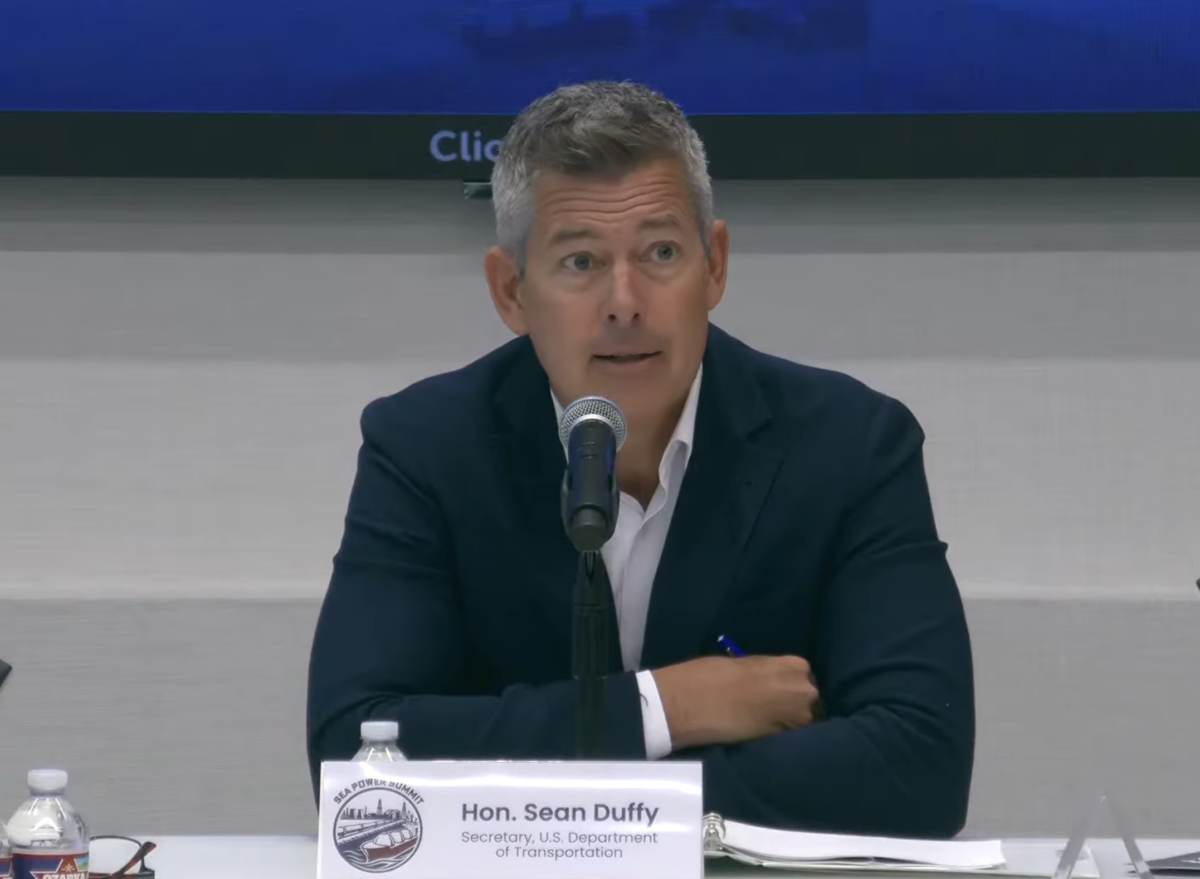
U.S. Transportation Secretary Sean Duffy announced proposed changes to federal liquefied natural gas regulations and the licensing of a new offshore export facility near Matagorda, Texas, during a summit at Port Houston on Wednesday.
The announcements came during the Sea Power Summit, attended by U.S. Reps. Randy Weber (R–Pearland) and Brian Babin (R–Woodville).
The Department of Transportation’s Pipeline and Hazardous Materials Safety Administration (PHMSA) published a Notice of Proposed Rulemaking to update Liquefied Natural Gas (LNG) safety standards for the first time in more than 20 years.
According to the department, the proposed changes would allow LNG facilities to adopt newer technologies, including pipe-in-pipe systems, single-walled containers, and membrane storage tanks.
Federal officials estimate the changes could generate approximately $100 million in annual savings while accelerating infrastructure development and expanding domestic LNG export capacity.
The proposal would incorporate the 2026 edition of the National Fire Protection Association’s Standard 59A, which establishes safety requirements for the design, construction, operation, and maintenance of LNG facilities.
“We have let those regulations stagnate, relying on an outdated version of an industry standard from more than twenty years ago,” said PHMSA Administrator Paul Roberti.
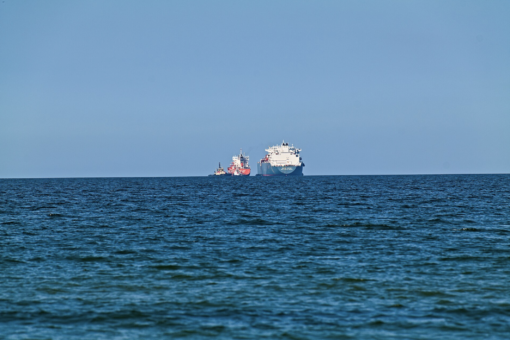
Alongside the regulatory proposal, Duffy announced approval of a deepwater port license application for a new offshore LNG export facility near Matagorda.
According to Weber’s office, the project is expected to support approximately 2,000 construction jobs and up to 855 permanent positions while expanding U.S. LNG export capacity by 7 to 9 percent.
The port will be located near Brazoria County, part of a Gulf Coast region that serves as a major center for American energy production and transportation.
“Unleashing American energy and restoring American maritime dominance go hand-in-hand,” said Duffy. “These are two of the Trump Administration’s top priorities.”
The announcements follow a January 2026 decision transferring responsibility for deepwater port licensing from the U.S. Coast Guard to the Maritime Administration, a move intended to accelerate approvals for a new energy infrastructure.
Weber, whose district includes seven ports and three LNG terminals, praised the administration’s focus on the Texas Gulf Coast.
“What starts here in our little slice of heaven doesn’t stay here for long, and all 342 million Americans will reap the benefits of these major announcements for years to come,” said Weber.
The proposed LNG safety regulations have not yet been finalized and will undergo the federal rulemaking process before taking effect.