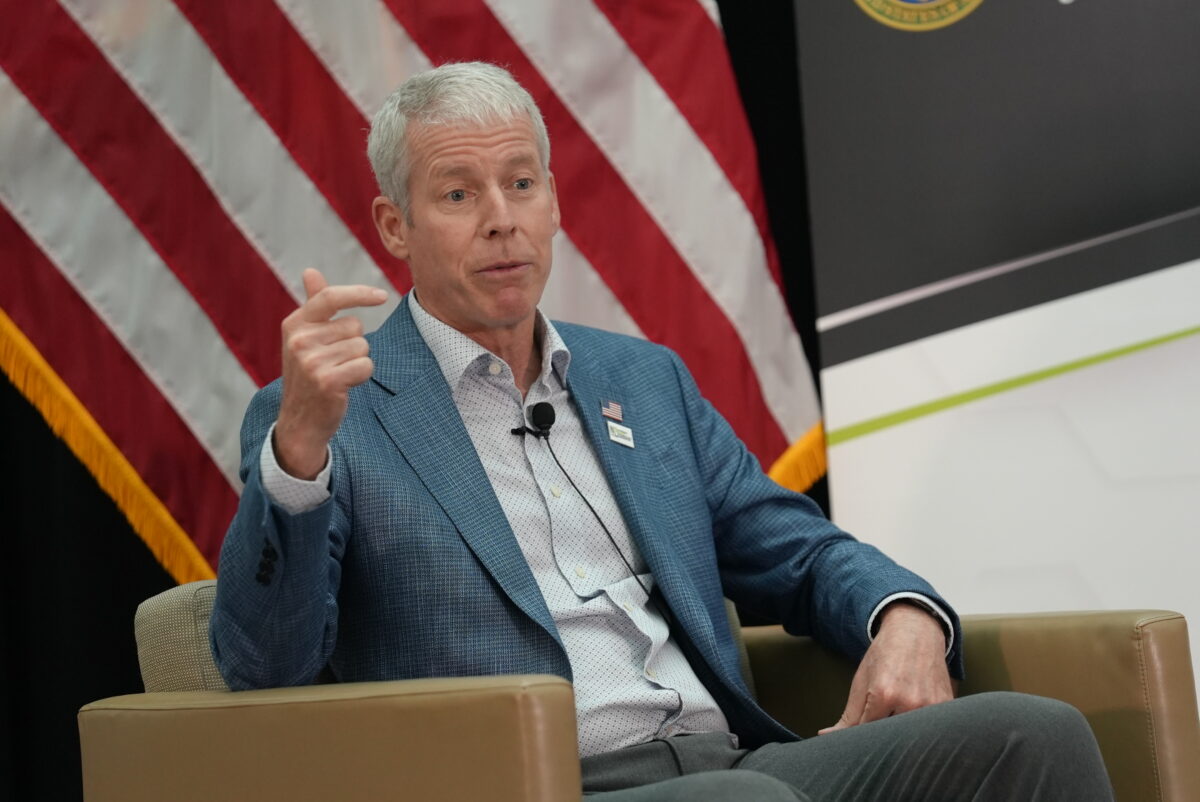
As power-hungry data centers come to communities across the U.S., Secretary of Energy Chris Wright addressed concerns surrounding the slow growth of electricity production.
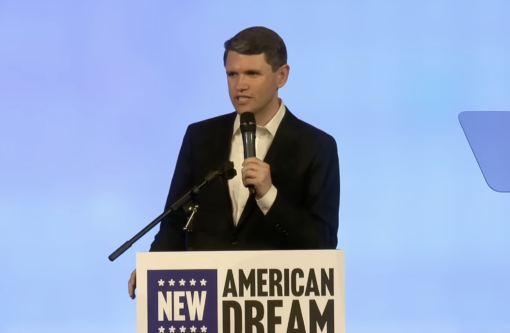
Wright, speaking at the tenth annual Global Energy Forum on Tuesday, noted that despite the increase in oil and natural gas production over the last 20 years, electricity production has barely grown.
“My focus is on fixing that problem so we can grow our electricity production as fast as we can grow our primary energy production, so we can reshore American industry here and we can make sure the United States, not China, leads in AI. This is important for national security,” Wright said.
He cited natural gas as the key to growth. “The fuel that will drive data centers and us leading AI is natural gas.”
Data centers continue to be constructed all across Texas, despite concerns from communities regarding the impact on the grid and environment. The U.S. Energy Information Administration has cited data centers as being one of the main contributors to the growth in demand for electricity in Texas.
In an April hearing before state lawmakers, ERCOT officials said they are tracking about 410 gigawatts of large loads seeking interconnection, of which around 87 percent are data centers.
Gov. Greg Abbott directed state regulators, including ERCOT and the Public Utility Commission, to safeguard ratepayers from footing the bill on electrical infrastructure required by large data centers.
While solar, wind, and energy storage make up a large amount of the generation interconnection requests, ERCOT did note that there is “271% growth of gas project capacity in the queue since the Texas Energy Fund (TEF) was passed in 2023.”
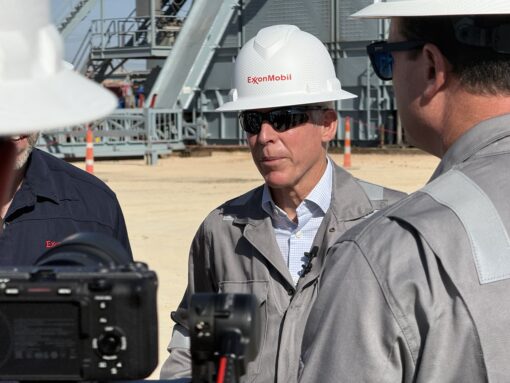
In his speech, Wright also highlighted the growing importance of nuclear energy in the coming years, after noting that nuclear energy is currently the second-largest energy source in the U.S. behind natural gas.
“It’s not growing yet, but it will be growing in the next few years,” said Wright.
Last year, Texas lawmakers passed legislation to help expand nuclear energy in Texas. The new Advanced Nuclear Energy Office is intended to coordinate efforts and lead the expansion of Texas’ nuclear development.
Wright also addressed the conflict with Iran, noting that consumers continue to bear the burden of high energy prices.
“I think it’s many months to get back to normal flows of energy,” Wright said when asked how long it will take for energy prices to level out. “Ships have been redirected. You know, some supply chains have shifted and been disrupted. So I think it’s many months to get back to normal flows of energy.”
Since the start of the campaign against the hostile nation, the U.S. has drawn 66 million barrels of oil from its strategic reserve, marking the lowest levels since the Reagan Administration in 1983.
The U.S. coordinated heavily with 30 other countries at the beginning of the air campaign in Iran to ensure that oil remained flowing globally. This has significantly dampened the impact the closure of the Strait of Hormuz had on the U.S.
Wright noted traffic in the Strait is “rising meaningfully.”