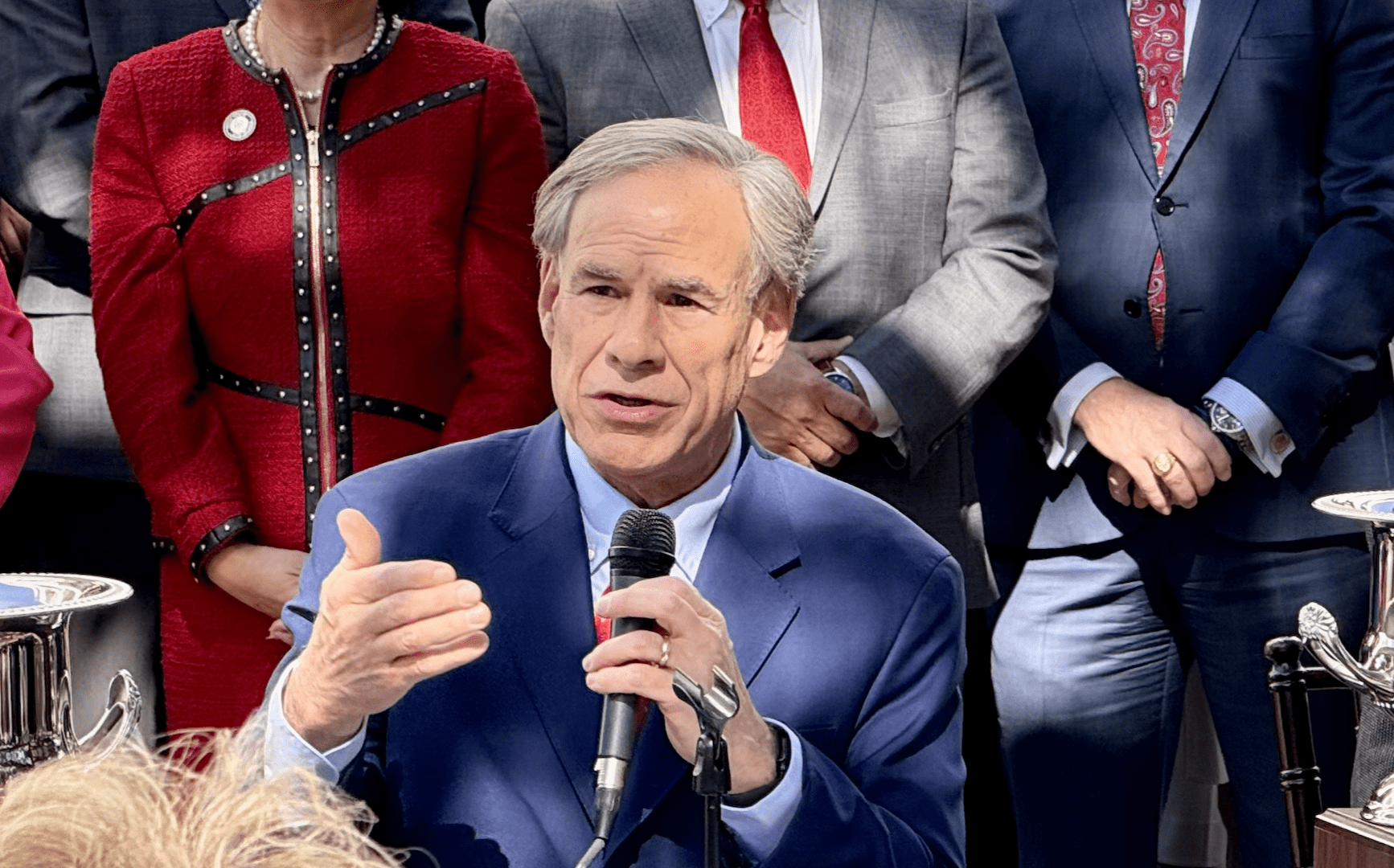
Gov. Greg Abbott is directing state regulators to ensure Texans are not stuck paying for expensive grid upgrades tied to the rapid expansion of data centers.
In a letter to Public Utility Commission of Texas Chairman Thomas Gleeson and ERCOT CEO Pablo Vegas, Abbott warns that fast-growing data center development must not burden Texans with infrastructure costs or higher residential bills.
Since Texas’ economic boom has made the state a magnet for data centers, Abbott insisted new oversight is needed to “ensure that as data centers interconnect to the ERCOT grid, residential electric bills are not negatively affected.”
Abbott directed PUCT to take action so that data center interconnections “result in reduced residential electrical bills” and to require data centers to pay “all of their electric infrastructure costs,” preventing those costs from being shifted onto residential ratepayers.
While large data centers already pay part of their interconnection and grid costs, Abbott’s order presses regulators to shift as much of that burden as possible off residential ratepayers and onto the facilities themselves.
He also instructed PUCT and ERCOT to review their existing authority and identify additional actions they can take now “to safeguard Texans, their property, and resources.”
Under the directive, PUCT and ERCOT must submit a joint memorandum to the governor’s office by July 17, 2026, summarizing what they can do under current law, spelling out statutory limits, and recommending legislative changes to implement his objectives.
As part of that review, Abbott says regulators should consider ways to prevent data centers from shifting development risks and costs onto Texans, require sustainable resource management, and minimize adverse impacts on local communities.
Abbott separately ordered the PUCT to initiate action to reduce residential transmission costs by July 31, 2026, linking the data center issue to broader concerns about rising transmission charges on power bills.
He framed the move as building on Senate Bill 6, which imposed stronger standards on large loads like data centers but did not fully resolve the risk to consumers.
Abbott also pledged to work with lawmakers to codify PUCT actions that require data centers to cover their own electric infrastructure costs, with the goal of lowering residential ratepayer costs.
The governor added that he would back requirements that all new data centers use water-efficient technologies such as closed-loop cooling systems and that large facilities annually report their electricity and water usage data to the PUCT.
He further proposed repealing sales tax exemptions and other “outdated or unnecessary” incentives for data centers and requiring operators to reduce local impacts through measures like setbacks and noise-reduction technology.
Abbott wrote that while Texas will continue to welcome innovation and investment, growth must improve quality of life “without placing undue burdens on Texans and local communities.”