U.S. Rep. August Pfluger highlighted the Permian Basin’s oil production during a webinar this week in which panelists argued that regulatory barriers make gasoline, electricity, and household energy more expensive.
The “Pain at the Pump” discussion, hosted by Pacific Legal Foundation, examined pipeline restrictions, natural gas appliance bans, and shifting federal rules, with speakers contrasting energy policy in Texas and California.
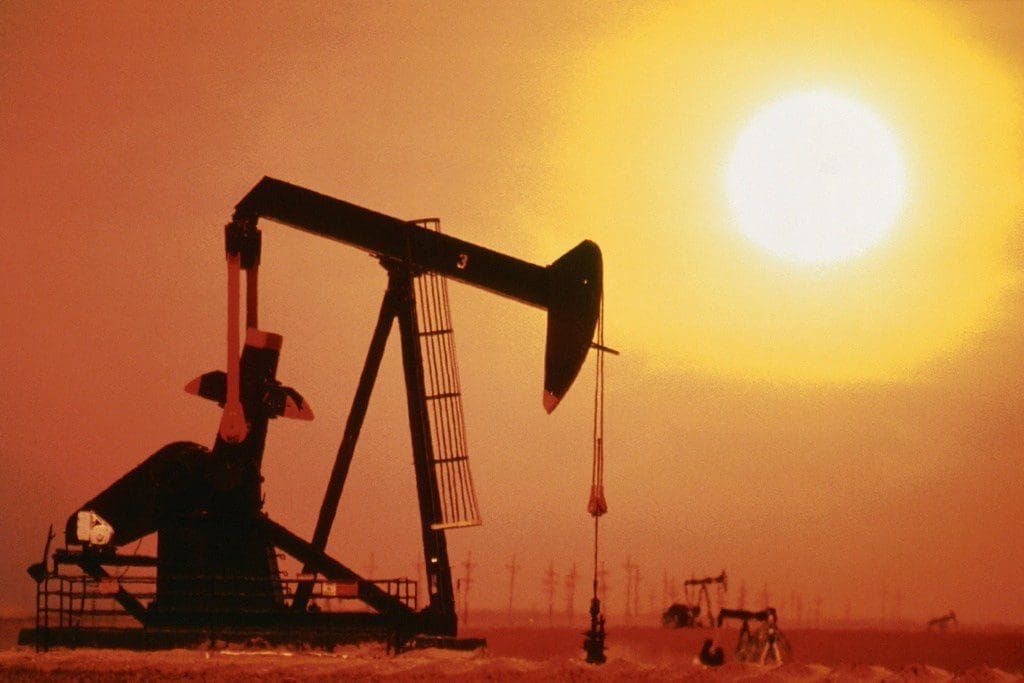
Pfluger (R–Midland) emphasized the Permian Basin in particular, noting that the area produces “6.5 million barrels a day, which is almost 50 percent of the total United States production in one area.”
“In [the late 2000s], many people said that the Permian Basin was done, that there was no more production, that hydrocarbons were done, that we had reached ‘peak oil’ there,” Pfluger noted, stating that this changed when horizontal fracking innovations were developed.
“We’ve been fracking for a long time, hydraulic fracturing is a technique that is decades old, but the difference was that they figured out how to do it horizontally, how to drill horizontally, and how to frack. We’re talking thousands of feet below the surface of the Earth.”
Eric Eisenhammer, CEO of Dauntless Communications and the director of public affairs for the National Association of Royalty Owners in California, contrasted the situation between Texas and California.
“California is probably one of the biggest examples of a state where we could be energy independent, but we are not because of the impacts of government regulation,” Eisenhammer stated.
“You know, I was in Texas not long ago and saw gas pumps going for three-something a gallon. Here I am in California where the price is over $6 a gallon, and part of that is taxes, part of it is regulation, and part of it is just the fact that we are not energy independent.”
The Cato Institute’s Travis Fisher tied electricity rates to natural gas costs and transportation.
“The power grid has one single largest fuel in almost every region of the country right now. It’s natural gas,” Fisher stated.
“Everybody’s upset about their utility rates going up. That’s probably the single best way to keep rates down, is to keep fuel costs down and keep the cost of infrastructure down. One of the ways to do that is actually just move the gas to where it’s needed.”
Fisher points to New England as the “poster child for our bad energy policy in the U.S.,” noting that New England imports LNG from Trinidad rather than buying from Pennsylvania, due to restrictions in the state of New York.
“It’s an affordability issue, and I’m glad that there’s bipartisan consensus now that we have an energy affordability problem.”
Pacific Legal Foundation’s Jeff Jennings also made the point that gas tends to be cheaper than electricity, so banning certain gas-powered appliances is “going to make things more unaffordable.”
“We’re seeing states and localities looking at natural gas appliance bans, basically preventing people from having gas water heaters, gas stoves,” Jennings noted. “The idea that everybody should go electric, that’s something that we at [Pacific Legal Foundation] are looking to potentially litigate and find the right case.”
“We think that those [bans] are illegal. … Gas is a lot cheaper than electricity in most cases, so when you take away those types of appliances from people, it’s just going to make life more expensive for them, and that’s just really unfortunate.”
Fisher also noted government regulation instability often raises costs.
“On the investment side, when you’re trying to make the decision what to invest in, you don’t want the rules of the game to change every four years because that’s essentially the cycle to go from investment decision to in-service date. So, by the time you decide to invest in something, by the time you get it in service, you might have a different president and a different set of rules.”
Fisher gave the Clean Power Plan as an example of this back-and-forth regulation, noting that “the Clean Power Plan 1.0 was proposed, then eventually withdrawn by Trump 1.0. Then there was Clean Power Plan 2.0, again revoked by Trump 2.0.”
“I think getting clarity on the rules of the game and not changing them so frequently is paramount,” Fisher added.
Texas has long been oil-and-gas industry-friendly, but the new Democrat-led state government could hamper that.