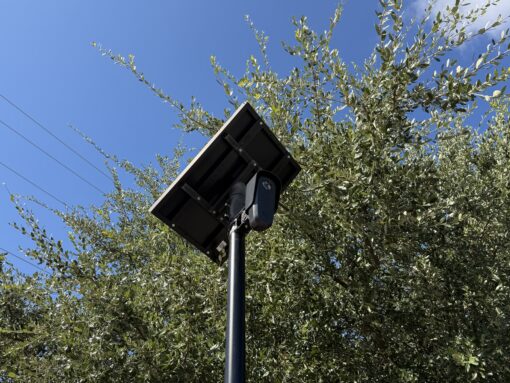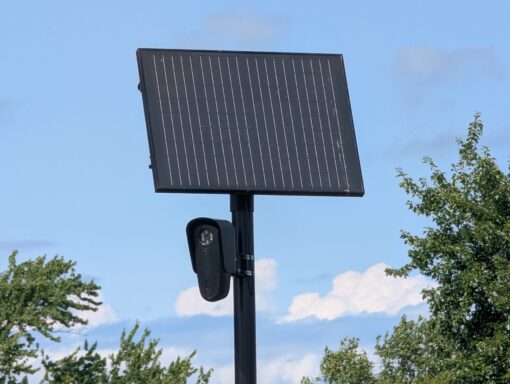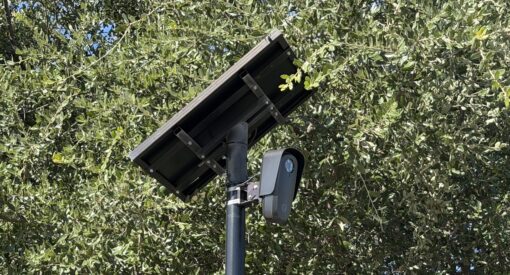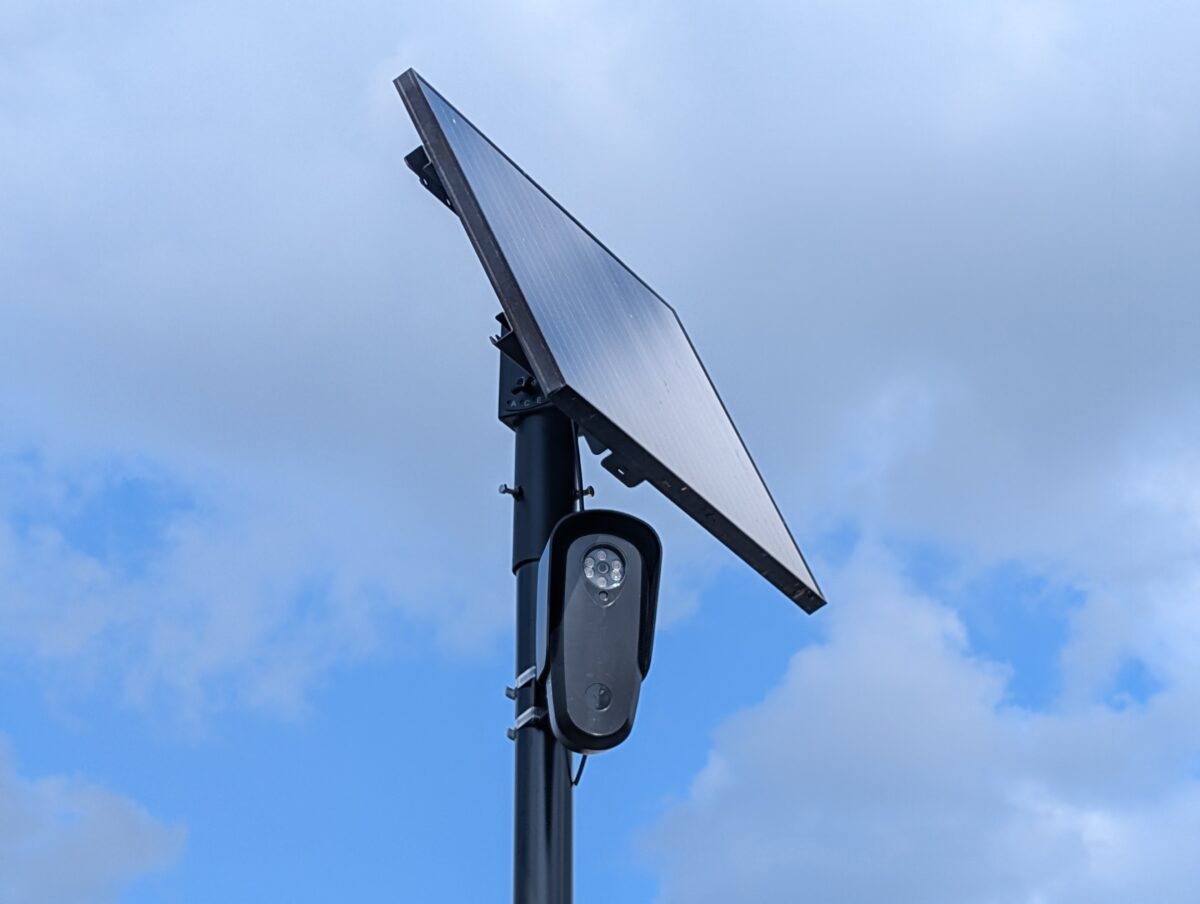
The Amarillo City Council reviewed the city’s use of Flock automated license plate reader cameras after a former police officer was accused of using the system to track a man for personal reasons.
On Tuesday, Police Chief Thomas Hover outlined new department safeguards, while council members and residents debated whether additional public oversight is needed to protect privacy and prevent misuse.
The arrest of former Amarillo police officer Christian Eder prompted the discussion. Eder is charged with 78 counts of tampering with a government record. Court records allege he used the Flock Camera system for 76 searches to track a man for personal reasons. Eder was arrested after the victim expressed concern.
Hover said that Amarillo’s 85 Flock cameras retain data for seven days instead of the previous 30. The Flock camera searches are audited monthly by a random supervisor and AI.
Hover revealed that in Eder’s case, the victim alerted police to the misuse of the cameras before the AI audit discovered it.
He added that law enforcement does not sell the data, but commercial ALPR data sources such as Motorola Vigilant do. The Flock camera systems put law enforcement’s data into a big server, but Hover claimed “it has all been law enforcement only, no one else can get access to it. They don’t sell that access to anyone.”
Hover noted that Flock cameras can potentially give a general idea of someone’s movements, track in real time, and provide facial recognition when combined with AI. An alert will sound when a face in the system walks into view of a Flock camera.
Flock’s automated license plate readers use AI to scan license plates and save information about a vehicle, such as make, model, color, and other identifiers like cosmetic damage or bumper stickers.
Flock allows law enforcement officers to access its database without requiring a warrant. This has raised concerns over potential violations of citizens’ Fourth Amendment rights.
Councilmember Les Simpson noted that surveillance technology could acquire expanded capabilities over time and that internal police policies may not provide sufficient safeguards. “When the government has the ability to reconstruct where people have been, safeguards have got to be tight, and sometimes it may need to include more than an internal policy,” Simpson said.
Mayor Cole Stanley proposed an oversight committee to provide accountability and show residents the police are not invading their privacy. The committee would evaluate and audit Flock camera searches.
“You want to restrict officers’ ability to look at these cameras. I almost want to go the opposite direction. I want to let all the officers look at them. But I also want to let all of the citizens look at them,” said Stanley.
Amarillo residents offered their thoughts during public comment. Some noted that Flock cameras increase law enforcement’s speed in finding criminals and expressed concern about limiting their resources.
However, others were concerned about Flock keeping data past seven days, the lack of search audits, the collection of innocent citizens’ data, and hackers.
One resident expressed worry over the future of Flock’s AI-powered operating system. “It takes the network of 120,000 cameras nationwide, matches it with case files, 911 dispatch data, and commercial identity databases, and links movements to names, addresses, and relationships. … It’s still in development, but it lets police search for people and their vehicles by their movements with no plate, name, or crime needed.”
The council’s discussion comes as Texas cities continue to debate the future of automated license plate reader systems amid increased scrutiny of privacy, oversight, and potential misuse by government employees.
Several local governments have ended contracts with Flock in the past month.