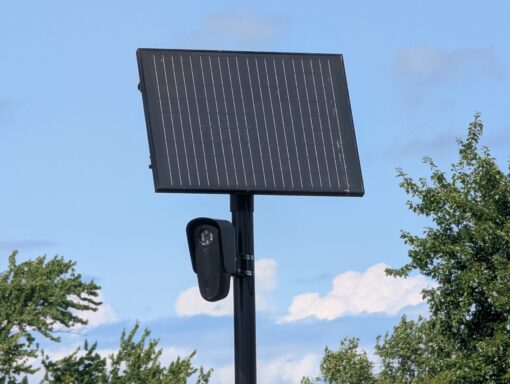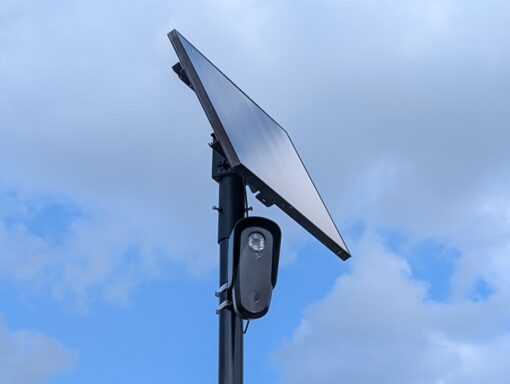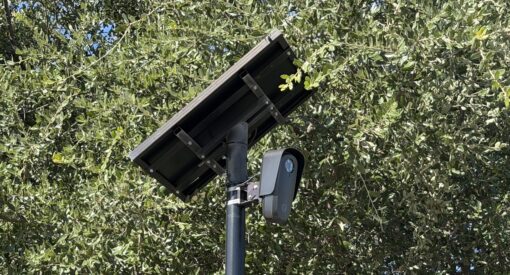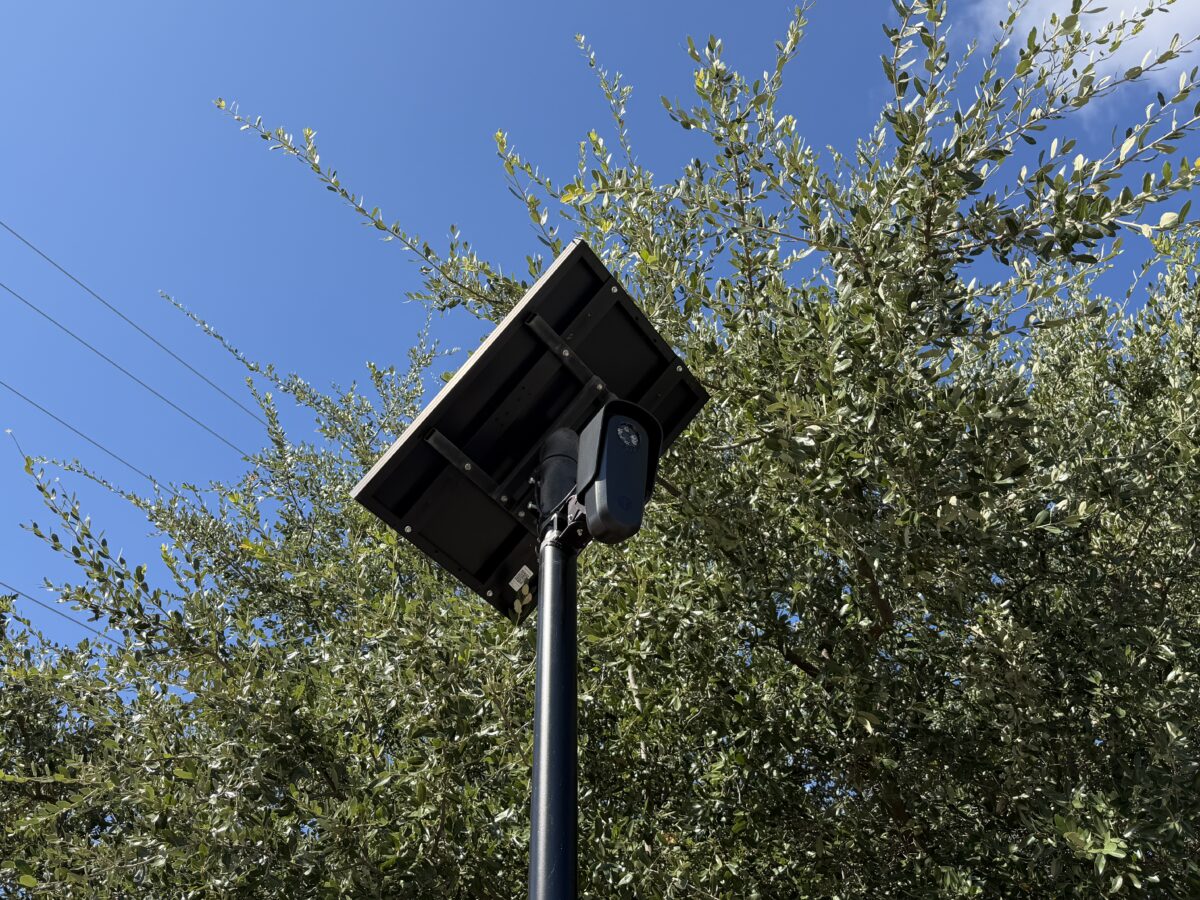
According to the resolution, the city will not renew or extend the term of its agreement with Flock Group Incorporated.
The city manager will remove or render inoperable its existing automated license plate readers. According to Mayor Shawn Teamann, the ordinance is effective immediately, but removal could take time.
The resolution also addresses future ALPR use.
City council approval is now required if a city department wants to install ALPRs. Approval is also required for ALPR contract extensions, amendments, or renewals.
ALPRs photograph vehicles and record data such as plate numbers, state, timestamps, and GPS coordinates, as well as vehicle make, model, color, and body type.
Concerns about ALPR technology include data retention and sharing, facial recognition via companion AI software, and potential misuse of data.
According to Teamann, the resolution stemmed from public outcry.
“We have heard feedback from the citizens of Sherman, and we’ve seen feedback all across the state of Texas and the United States over concerns about ALPR cameras generally, privacy concerns, constitutional issues,” said Teamann.
“This is not a reflection of the trust that we have with our police. More so this is just the opinions of the community about a technology that they do believe invades their privacy and has constitutional issues,” he continued.
Commenters on Facebook voiced approval as well as further misgivings:
“Good! Until there’s a better way to ensure that this powerful technology is being used properly and appropriately, I think there needs to be a pause.”
“It needs to be all flock systems within the city limits. County wide will be next.”
“Hopefully not to be replaced with something else like Axon.”
Sherman’s resolution only removes the 11 city-owned ALPRs. DeFlock’s map pinpoints 24 ALPRs in the Sherman area.
Sherman is in Grayson County, which has 30 reported ALPRs including Sherman’s 11.
Today, Grayson County Commissioners Court will vote whether to accept a grant from the Motor Vehicle Crime Prevention Authority for the Grayson County Motorola LPR Camera Project.
The grant will add five mobile license plate reading cameras to be deployed throughout the county.
“It’s supposed to be to prevent catalytic converter theft, vehicle theft, things like that. But we can use what we’re applying for, which is a license plate reading system. We can use it for so much more,” said Capt. Mark Kosemund.
Sherman’s removal of Flock cameras comes amid local and statewide backlash against ALPRs.
Several local governments have ended contracts with Flock in the past months. Amarillo reviewed ALPR usage after alleged misuse of the technology.
In August, Gov. Greg Abbott paused state funding for Flock cameras, and in September he directed the Texas Department of Transportation to stop issuing new permits for Flock cameras and other ALPRs on state-owned roads.
In October, Comptroller Don Huffines banned grant funds his office administers from being used for Flock cameras and other ALPRs.
Texas lawmakers are expected to consider potential regulations for Flock and other ALPR systems during the next legislative session, which begins January 12.