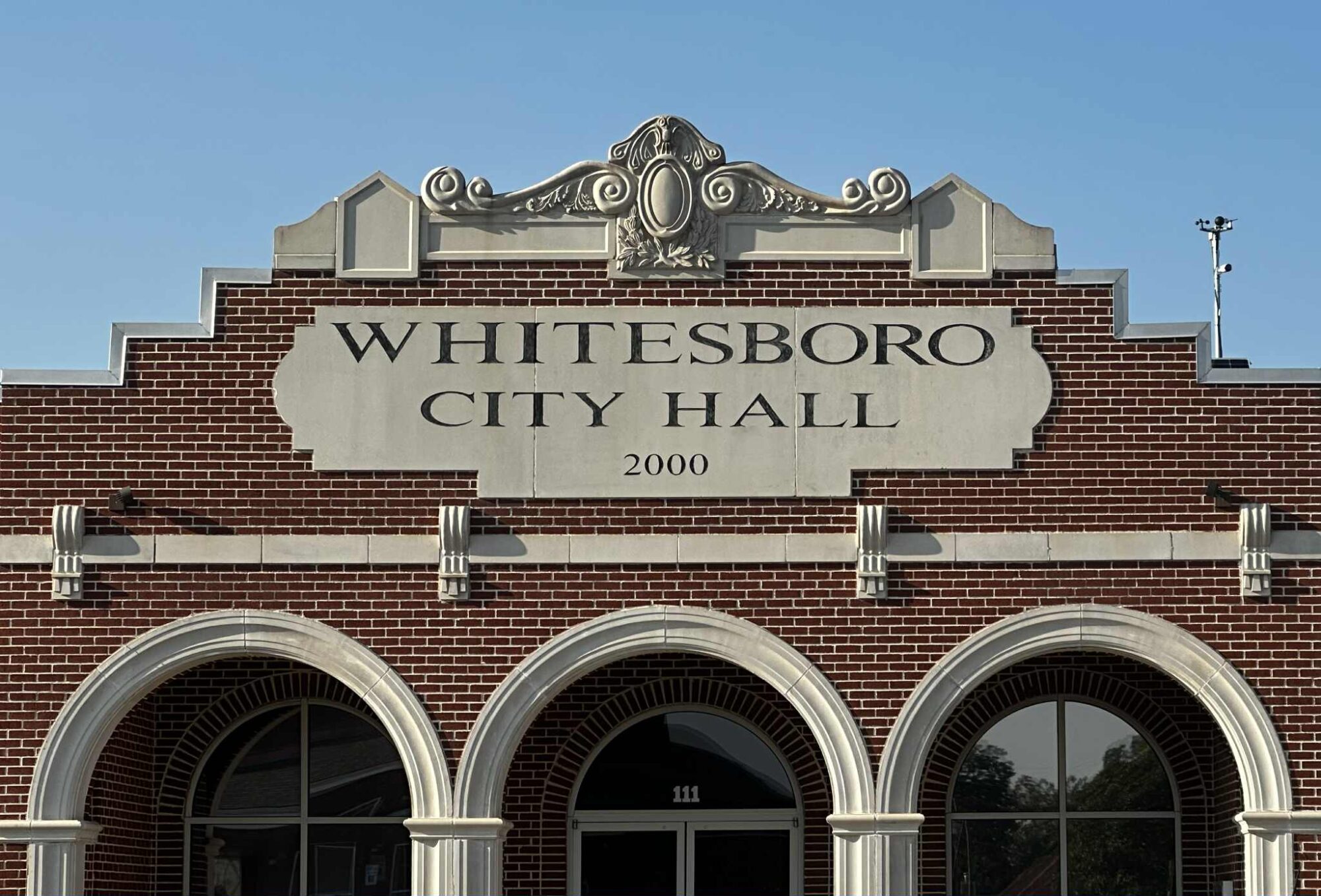
Whitesboro’s elected city officials tabled consideration of a controversial property tax increase over concerns it might not be legal due to a new state law that limits tax rates if municipalities fail to comply with audit requirements.
Council members were prepared to vote Tuesday night on a tax rate that is 51 percent higher than last year’s rate and would cost average Whitesboro homeowners an extra $498 in city property taxes—a 61 percent increase.
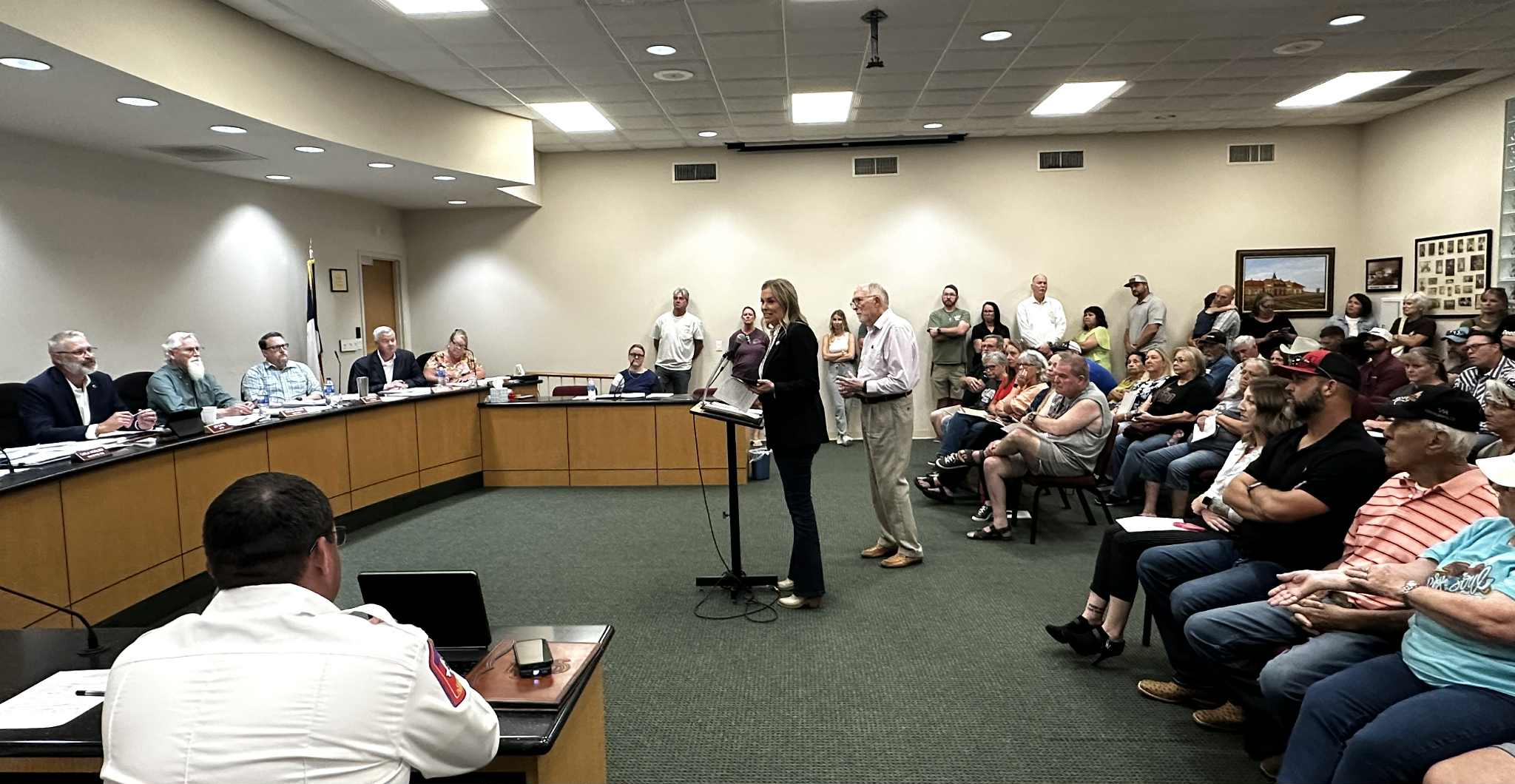
A standing-room-only crowd of Whitesboro residents showed up to speak against the increase, which they said would have a devastating impact on home and business owners.
“I don’t know any household or person whose budget or income has increased 40 percent in three years,” Lisa Banfield told council members. “Your budget is doing just that.”
“Do I keep my home or my business?” asked Whitesboro resident and business owner Danna Hensley. “Take a closer look at your budget and don’t put it all on us.”
Another local business owner said the city tax hike along with school taxes is “too much.”
“You’re going to tax people out of being able to live here,” said resident Andy Welch.
Mayor Jeff Butts, who noted he has been in office just four months, said he had “thought long and hard” about the tax increase, adding the city “might not be in this position” if officials had set higher tax rates in the past.
State Rep. Shelley Luther (R–Sherman), whose district includes Whitesboro, also attended Tuesday night’s tax increase hearing.
Luther advised city officials that a new law known as Senate Bill 1851 took effect on September 1 requiring municipalities to adopt the no-new-revenue property tax rate if they fail to comply with established state audit rules.
The no-new-revenue rate collects the same amount of revenue from the same properties taxed the previous year, keeping tax bills generally flat.
Luther said she would be contacting the attorney general to ensure all cities are complying with the new law.
As city officials reviewed the legislation, Luther exchanged views with Butts.
Butts told Luther he felt like she “threw him under the bus” for posting on Facebook about the city council’s meeting on the tax increase and encouraging residents to attend. The city did not post about the tax increase or meeting on the official Whitesboro Facebook page.
“I’m just begging you,” Luther told Butts. “I understand there’s going to be a tax hike, but not 51 percent… it’s just too much.”
Luther also spoke at last year’s property tax hearing on behalf of Whitesboro taxpayers, helping residents convince council members to abandon a proposed 45-percent tax increase on average homeowners. Instead, city officials cut some unneeded spending and adopted the no-new-revenue rate.
Carve-outs in the state’s property tax laws allow cities with fewer than 30,000 residents to raise taxes by more than the 3.5-percent annual cap imposed on larger cities.
Whitesboro has about 4,200 residents.
“Our city has got to have help from our citizens,” said Butts. “You’re here now, but we need you to come to more meetings.”
“Every voice matters,” he added. “Let’s make Whitesboro a town we’re proud to call home.”
After reviewing the new law, City Administrator Phil Harris advised council members to table consideration of the tax rate and related budget items until they can clarify how SB 1851 impacts Whitesboro.
If the city’s audit is not in compliance with state law, council members will be forced to adopt the no-new-revenue rate and adjust their budget accordingly.
Texas cities are generally required to adopt their property tax rates by September 30.
If a city fails to set a new tax rate by the deadline, it must adopt the lower of the previous year’s tax rate or the no-new-revenue rate.
Texas Scorecard requested a recording of Tuesday night’s Whitesboro City Council meeting and tax rate hearing, but the city advised we would need to file a public information request and might be charged a fee.
Whitesboro residents can contact city council members with questions or concerns.