Voters in at least five North Texas cities will decide in May whether to ditch DART, the Dallas Area Rapid Transit service.
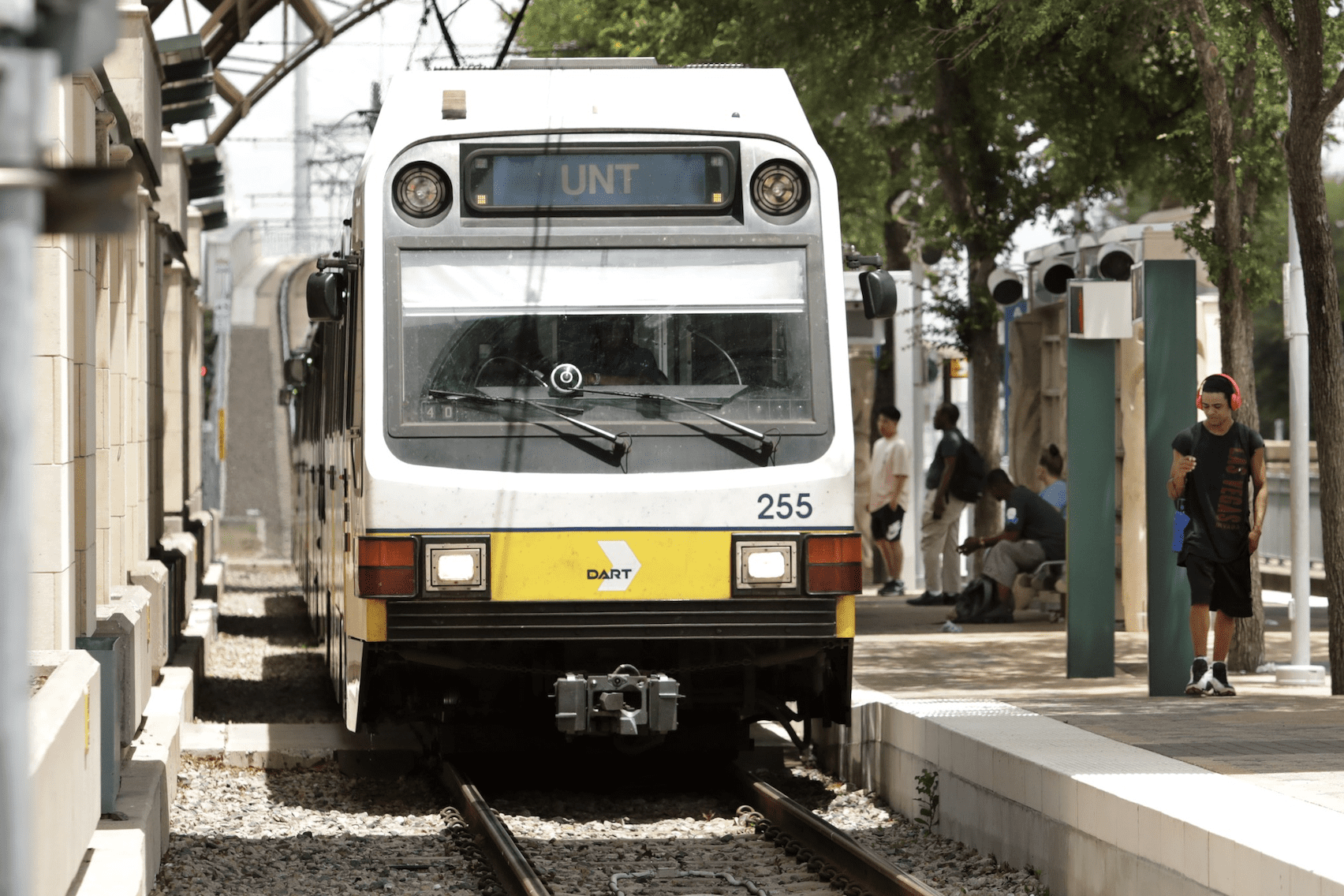
The 40-year-old DART system operates light rail, bus, on-demand, and disability transportation services in the Dallas-Fort Worth metroplex.
Thirteen member cities currently fund DART with a one-cent sales tax: Addison, Carrollton, Cockrell Hill, Dallas, Farmers Branch, Garland, Glenn Heights, Highland Park, Irving, Richardson, Rowlett, Plano, and University Park.
Five of those cities have decided to place measures on the May ballot asking voters if they want to exit the costly program: Plano, Irving, Farmers Branch, Highland Park, and University Park.
Plano is the largest contributor to DART funding behind Dallas, sending more than $130 million a year to the transit agency but receiving less than half that amount in services.
City officials say DART is not providing a good return on their investment, citing low ridership and inadequate service. DART trains have also become the scene of increasing crime in recent years, including several shootings in 2025.
Plano and other cities are researching alternatives that can offer residents more efficient service.
A sixth member city, Addison, voted against placing DART withdrawal on the ballot. Garland is mulling the issue.
Meanwhile, the Dallas Area Transit Alliance and recently created Transit Alliance of Plano are advocating for cities to stay with DART.
DART’s board of directors will meet Tuesday to discuss potential changes to rail and bus services should voters decide to withdraw their cities. The board is also expected to authorize a public hearing to be held on March 24.
The deadline for local governments to place measures on the May 2 ballot is February 13.