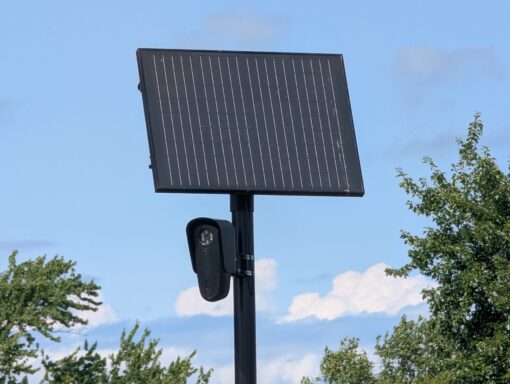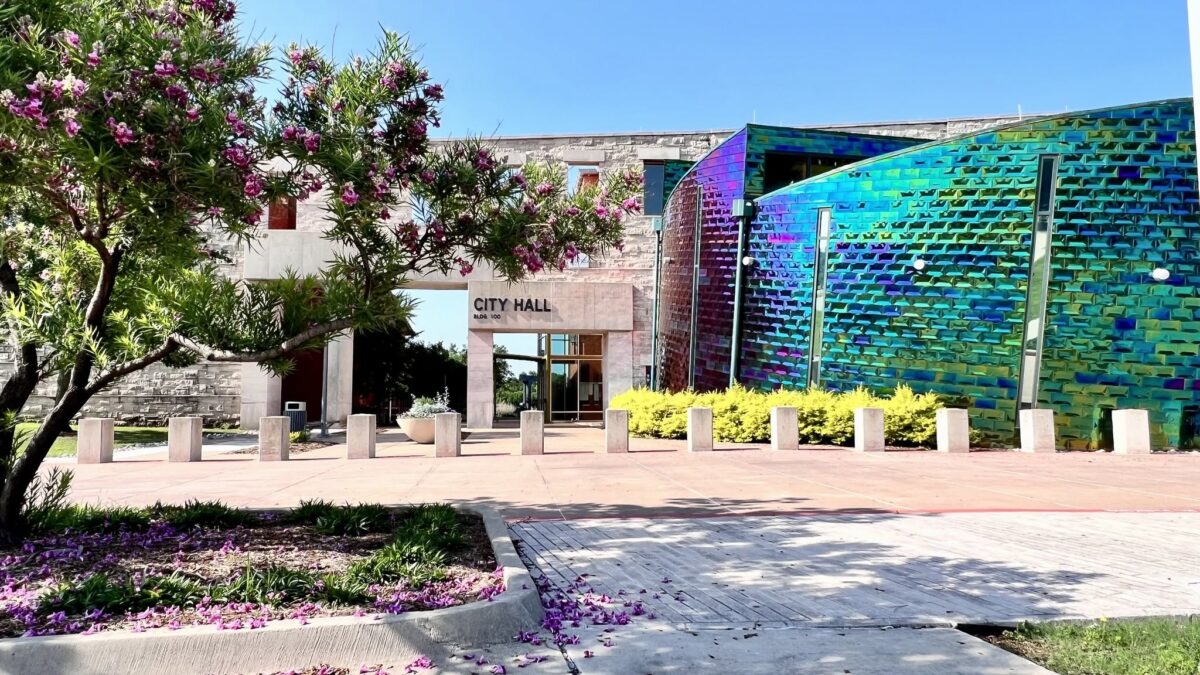
Wylie City Council unanimously voted to not renew its contract with Flock Safety cameras this week.
The 7-0 vote places the city of Wylie in a small group of local governments in Texas opting out of a contract with the automated license plate reader (ALPR) company.
At the Tuesday meeting, Councilmen David R. Duke and Dave Strang placed the item addressing the automatic renewal of the Wylie City-Flock Group, Inc. agreement on the meeting agenda.
Strang noted in his introduction that his reason for including the item was to evaluate the terms and conditions of the agreement rather than the merits of the Flock systems themselves.
“I hate to say it, but the way things are in the country, it’s almost like we have to have them,” said Strang. “I think law enforcement across the entire nation does a really good job of catching bad guys … but until we actually return as a nation to some actual effective criminal justice at the level of the courts and legislatures, then we’re probably going to have to have stuff like this anyway.”
Wylie Assistant Police Chief Tommy Walters told the city council that the Flock technology was a “game-changer.”
“I’ve been in law enforcement specifically in Wylie for almost 27 years. There’s a few technologies in that 27 years that are game-changers, and [ALPR technology] is definitely one of them,” said Walters.
Walters relayed various local criminal cases solved using Flock technology, including a drive-by shooting and a homicide.
In contrast to this testimony, Austin Gregory, a resident of Wylie and organizer for DeFlock Wylie, stated that Flock cameras “are not your run-of-the-mill ALPR cameras.”
“It’s not just tracking your license plate. It is taking AI fingerprints of your car … It’s like taking a picture of the entire car and documenting the entire vehicle. So that’s building a nationwide searchable database with all this information. And you don’t need a warrant to do that.”
Gregory noted that Wylie is consistently listed as one of the safest cities in Texas, and a 2023 DPS report noted that Wylie’s crime rate was significantly less than the overall Collin County crime rate per capita.
Gregory also noted abuses of the technology as justification for “deflocking.”
The DeFlock Wylie website lists multiple instances of abuse by law enforcement officers across the country, including a Pasadena sergeant using the system to track a fellow female officer and a Fort Bend County officer tracking one plate a total of 189 times over a “contentious familial relationship.”
After public comments, Councilman Scott Williams motioned “that we suspend the automatic renewal with the understanding with Flock that we may want to revisit a new contract with new terms, and for us to set a new work session in order to discuss those terms at a later date.”
Williams’ motion was met with applause from the audience, and the motion was carried on a 7-0 vote after being seconded by Strang.
Wylie joins a growing number of Texas localities that have either rejected, cancelled, or deactivated their Flock contracts or cameras, respectively.
Following Pflugerville City Council’s unanimous decision to deactivate the city’s Flock cameras this week, Pflugerville ISD followed suit, notifying parents Wednesday morning of the decision to suspend use of the cameras on district property.
“We understand this technology has raised questions and concerns within our community, and we have listened,” said a Pflugerville ISD spokesperson.
Hood County recently decommissioned its three Flock cameras following significant backlash to concerns of mass surveillance and potential Fourth Amendment violations.
DeFlock Wylie praised the council’s decision, calling it “exactly what residents asked for.” The site quoted Wylie Mayor Matthew Porter as saying, “The protections are just not there and are not required in the terms of the existing contract.”
“This started in January 2026 with one resident reading a contract, and grew into a nonpartisan campaign of neighbors,” wrote DeFlock Wylie.
“By the night of the vote, more than 700 residents had signed the petition, people packed the chamber, and the case was made in Flock’s own words. No lawyers. No budget. No outside money. Just Wylie residents who decided their privacy was worth showing up for.”
Texas lawmakers are expected to evaluate potential guardrails for the technology in the upcoming legislative session.