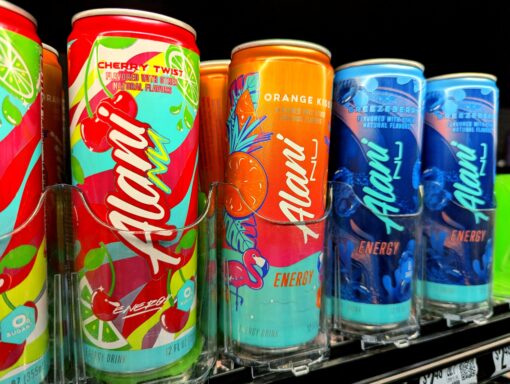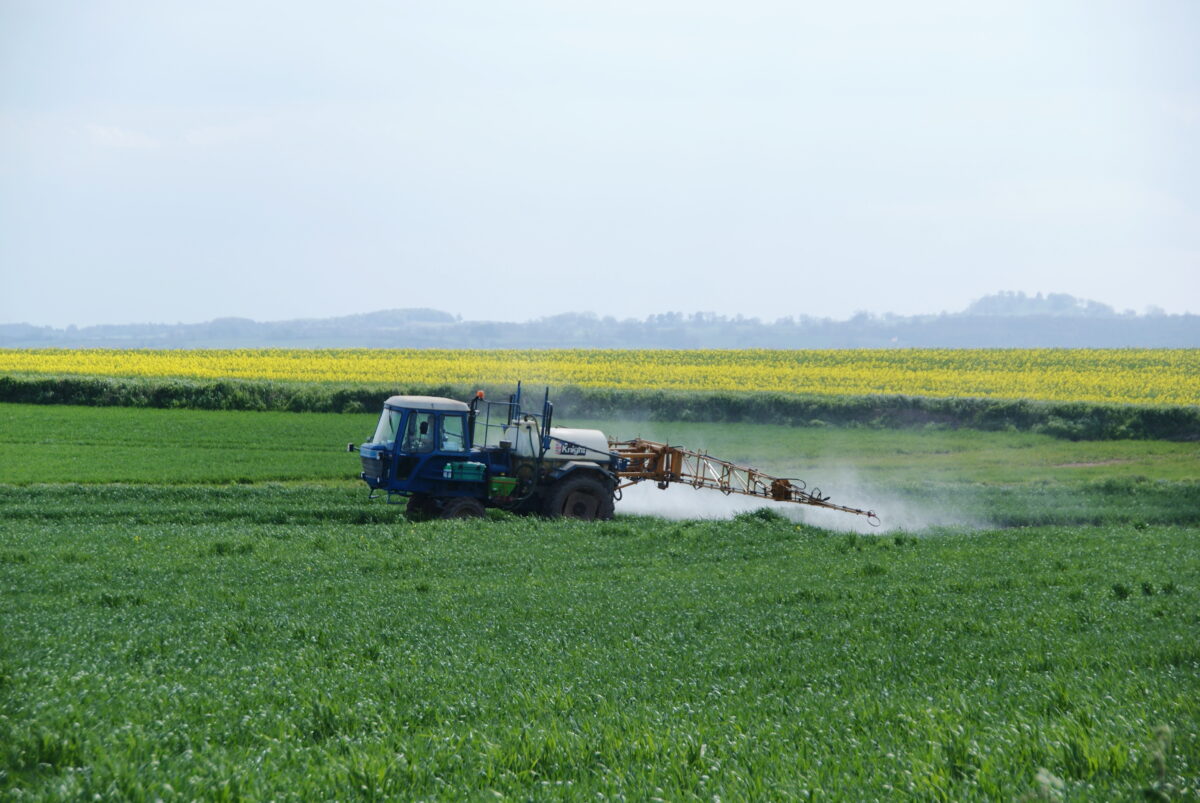
Major pesticide and food manufacturers are under investigation for compliance with restrictions on glyphosate, a chemical linked to cancer and other serious diseases.
Attorney General Ken Paxton announced Tuesday that his office is issuing Civil Investigative Demands (CIDs) to Bayer, the manufacturer of Roundup, and PepsiCo. A CID is a legal tool that allows the Texas Attorney General’s Office to obtain records during an investigation before any lawsuit is filed.
The International Agency for Research on Cancer (IARC) classified glyphosate as “probably carcinogenic to humans” in 2015, citing links to non-Hodgkin lymphoma. Studies connecting glyphosate to other diseases such as endocrine disruption, infertility, kidney disease, and autoimmune diseases have cemented it as a serious health problem.
Paxton cited rising levels of glyphosate exposure among the general public, noting that detectable traces of glyphosate have been found in roughly 70 percent of American adults today, compared to just 12 percent in 1993.
Additionally, studies have found that some of the most heavily contaminated food products in the country are those marketed specifically to children, particularly those ages one to two.
The investigation includes scrutiny of whether food companies have misled consumers, especially parents, through health claims on products that may contain dangerous levels of the chemical.
Paxton has also raised concerns about food companies sourcing oats from foreign countries, alleging that they are circumventing EPA restrictions on glyphosate by using it as a desiccant before harvest.
In addition to being used during pre-harvest, glyphosate is also a main ingredient in common herbicides (weed killers), including Roundup. According to the IARC, “glyphosate currently has the highest global production volume of all herbicides.”
A spokesperson for Bayer told Texas Scorecard, “There were a series of inaccurate and misleading claims made in the statements from the Texas Attorney General’s office around the use and safety of glyphosate-based products. We have been working with their office on this inquiry and will continue to provide relevant information to clarify the facts.
“In the meantime, consumers should have confidence that the food we eat is safe. In order to protect human health, the U.S. Environmental Protection Agency (EPA) has an extremely rigorous review process which sets tolerances for the maximum limit for pesticide residues – or trace amounts of any pesticide that may remain on harvested crops. These daily exposure limits are set at least 100 times below levels shown to have no negative health effect in safety studies.”
PepsiCo did not respond to Texas Scorecard’s request for comment before publication.