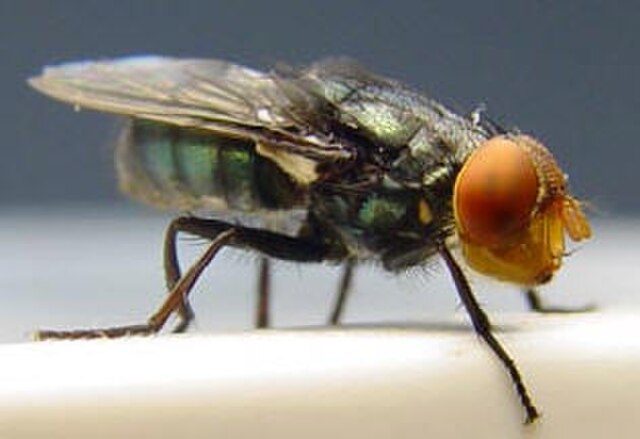
Texas Land Commissioner Dawn Buckingham has offered her support in combatting the New World screwworm to both federal and state agencies.
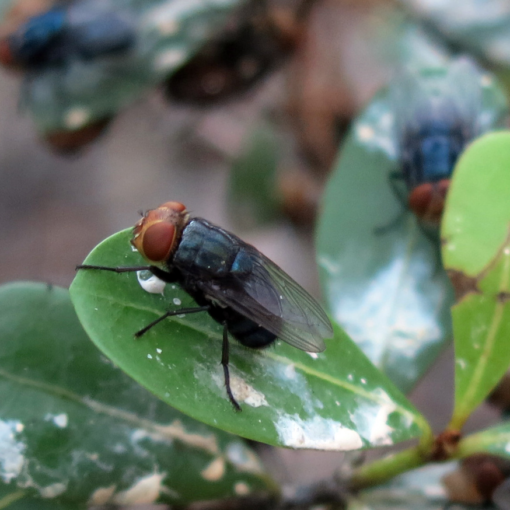
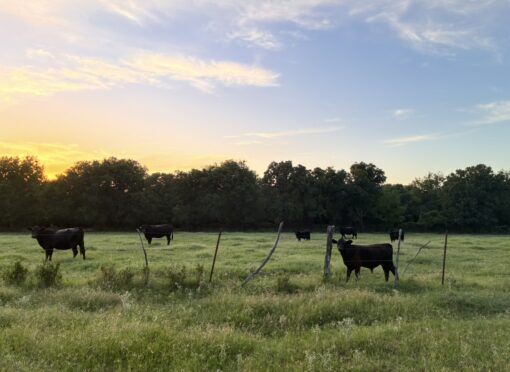
The first infestation case of the flesh-eating parasite was confirmed in a calf from Zavala County, near the Texas-Mexico border; since then, four additional cases have been confirmed in bovines located in Zavala, La Salle, and Edwards counties. Cases have also been confirmed in a goat in Gillespie County and in a dog from New Mexico.
In a letter to U.S. Secretary of Agriculture Brooke Rollins and Gov. Greg Abbott, Buckingham highlighted that the General Land Office (GLO) is “uniquely positioned to support in the prevention, reporting and eradication” of the pest and stands ready to coordinate with both state and federal agencies “to identify and prioritize parcels of GLO-managed land best suited for rapid, operational deployment.”
“The GLO stands ready to partner with the USDA and the State of Texas by proactively offering access to our lands deemed beneficial for the rapid response to eliminate New World Screwworm,” wrote Buckingham. “Agriculture plays a vital role in our state and national economy, and the GLO is always happy to offer solutions that safeguard our state and citizens. By working together and remaining vigilant, we can protect our food supply and preserve the health of our livestock and wildlife populations.”
Buckingham’s offer includes, but is not limited to, access to GLO-controlled land for placement of trapping infrastructure, deployment zones for sterile insects, field staging areas for USDA’s Animal and Plant Health Inspection Service and Texas Animal Health Commission response teams, livestock monitoring and specimen collection sites, and temporary quarantine zones where applicable.
“By working together and utilizing every available resource, we can protect Texas livestock, support our ranchers, and safeguard one of the most important sectors of our state’s economy,” continued Buckingham. “The GLO stands ready to be a helpful partner.”
According to USDA’s website, there have been no new confirmed domestic cases of screwworm infestation since Monday, June 8. No detection of the pest has been confirmed yet in wildlife or in fly traps.
On Thursday, Rollins met with ranchers and cattle producers from the area where the first detection was made and spoke with reporters to highlight the expanded surveillance efforts, sterile fly production, and the continued coordination with Texas officials and producers.
Four million sterile flies have been dispersed aerially in the area of the first detection, along with an additional four million being released through ground-release chambers.
The sterile fly technique works by releasing sterile male screwworm flies to mate with wild females, preventing reproduction and gradually eradicating the pest population. Rollins has emphasized it is the proven method to both prevent and combat the invasive pest.
“Other than that initial second detection, which was about five miles away, we’ve had no other detections in this area,” said Rollins. “It doesn’t mean there won’t be more, but this technology works and it works well, and it is proven over and over again.”
Rollins also discussed a recent allegation that the Trump administration cut federal funding for screwworm monitoring programs while carrying out DOGE cuts.
“DOGE cuts had zero to do with it,” said Rollins. “When we walked in the door in late January 2025, there were only 10 full-time USDA staff focused on New World screwworm. Today, we have more than 120 full-time staff focused on this issue—a 1,000 percent increase.”
Rollins emphasized that resources were only relocated and prioritized, ensuring that taxpayer dollars were being used effectively while aggressively preparing for the screwworm to arrive.
Officials urged Texans who suspect New World screwworm to immediately contact the Texas Animal Health Commission or their veterinarian and not move any animal they believe may be infested. Wildlife sightings suggesting possible screwworm infestations should be reported to Texas Parks and Wildlife or local biologists.