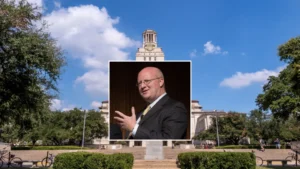
A federal judge has upheld the University of Texas’ suspension of Ammer Qaddumi, a former student who in 2024 organized a pro-Hamas “protest” that violated university rules.
Qaddumi’s complaint had challenged his three-month suspension and the resulting disciplinary record. He alleged that the suspension violated his First Amendment rights.
The university countered that the cancellation and resulting suspension was a valid exercise of its authority under Tinker v. Des Moines (1969): “Under Tinker, school officials’ actions in restricting student speech are protected (even if restricting a particular viewpoint) if they can (a) demonstrate facts which would reasonably have led school authorities to forecast substantial disruption of or material interference with school operations or (b) show that the disruption in fact occurred.”
U.S. District Judge Robert Pitman ruled in the university’s favor.
Pitman determined that UT’s rationale for canceling the protest was for the potential violence or breaking of school rules, not the protest’s message. The ensuing suspension of Qaddumi followed university policy and did not violate his First Amendment rights as alleged in the complaint.
According to Pitman’s ruling, “PSC described the April 24, 2024 protest as intended to disrupt campus operations, and this language combined with the surrounding context of affiliated protests at other universities gave rise to a reasonable inference of imminent violations of campus rules.”
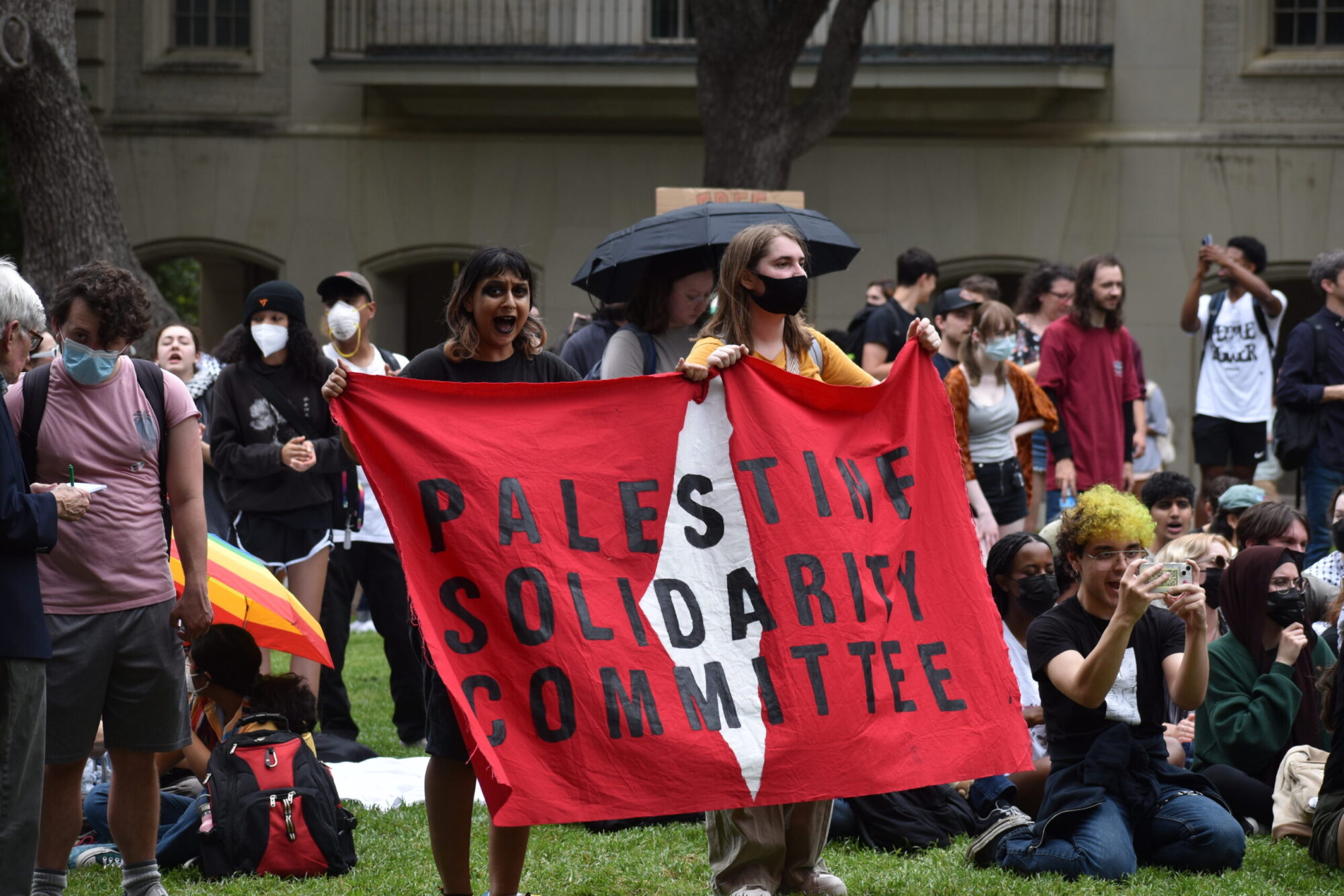
The Palestine Solidarity Committee (PSC) had originally announced a campus protest for April 24, 2024. Qaddumi, a PSC member, helped organize the event.
The Dean of Students’ Office canceled the event and warned participants that they could face disciplinary action.
Qaddumi continued with the protest plan.
The Student Conduct and Academic Integrity Office “accused Qaddumi of failing to comply with University directives, engaging in disruption, and inciting disruption in violation of the Institutional Rules.”
Qaddumi received a three-semester suspension, returned after, and graduated in May 2026. UT retained the disciplinary record, leading Qaddumi to file the lawsuit asking for its removal.
Sharon Wood, who was provost at the time, wrote, “As we have seen over the past few days, these illegal encampments have done just that.”
“[The protests] have resulted in significant changes to classes, hundreds of arrests, intimidation, and calls for violence against Jewish students,” continued Wood.
Following the protests, State Sen. Brandon Creighton (R–Conroe) noted that the First Amendment does not protect violence or harassment.
“Let’s be real: if campuses witnessed protests with anti-LGBTQ+, anti-Asian, or anti-Hispanic slogans, the backlash would be fierce and immediate. Yet, when protests challenge Israel’s existence, they’re often waved off as acceptable political speech. It’s an unacceptable double standard, one that’s been fueled significantly by DEI programs,” he wrote.
The April 24 protest preceded further protests.
On April 29 protesters attempted to start an encampment on campus, which is illegal under House Bill 1925. Participants in this second event spat on police, threw water bottles at them, and attempted to obstruct a bus transporting law enforcement officers.
A university spokesperson previously told Texas Scorecard, “UT Austin will continue to support the Constitutional rights to free speech of all individuals on our campus,” and “will also enforce our rules while providing due process and holding students, faculty, staff, and visitors accountable.”
UT-Austin is a component of the University of Texas System. The UT System is overseen by a Board of Regents that is appointed by the governor and confirmed by the Texas Senate. Kevin Eltife of Tyler is the current board chair.