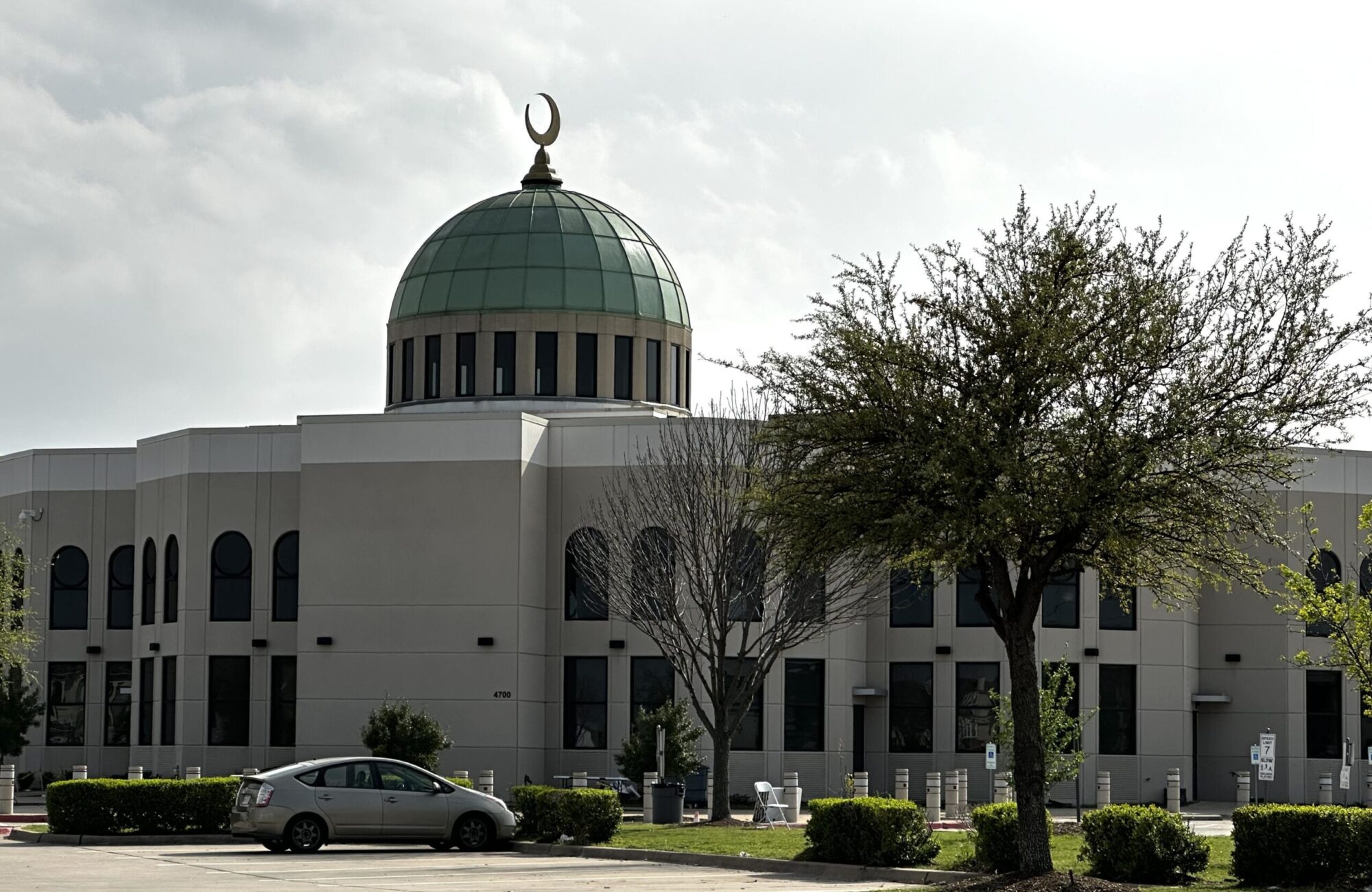
A federal district court judge has denied the state’s motion to dismiss a lawsuit filed by the East Plano Islamic Center against the Texas Funeral Service Commission over the right to perform funeral services.
After receiving a cease and desist letter from the Texas Funeral Service Commission in March 2025, which accused the group of operating a funeral home without proper state licenses, EPIC filed suit against the commission in July 2025.
EPIC states that it brought the lawsuit to “vindicate its longstanding right to conduct religious funeral and burial rites in accordance with Islamic faith and tradition—rights that belong not only to EPIC, but to its congregants and the broader Muslim community it serves.”
“According to EPIC and its members’ sincerely-held religious beliefs, when a Muslim dies, the local religious community is expected to perform the Janaza prayer before the decease’s burial—it is a communal obligation,” the lawsuit reads. “For years, EPIC has performed Janaza communal prayers and related rites for the deceased without charge, and in full compliance with Texas law, which expressly allows religious organizations to conduct such rites so long as they do not engage in commercial funeral services for compensation.”
The lawsuit called the commission’s actions “illegal overreach” and an “unconstitutional interference” in religious expression.
A dismissal motion was filed by the commission, but was denied last week by Judge David Ezra of the U.S. District Court for the Western District of Texas.
The commission’s dismissal motion argues that EPIC “fails to sufficiently allege” a directly traceable injury, “personal involvement sufficient to state a claim under Section 1983, and a violation of clearly established law sufficient to overcome qualified immunity.”
In response to these arguments, Ezra ruled that EPIC does have grounds for the lawsuit and that the commission does not have immunity at the current early stage of the suit.
When the cease and desist order was sent to EPIC in March 2025, Abbott released a statement saying that EPIC “is knowingly breaking state law in many ways, including by operating a funeral home without a license.”
“This is a crime, and it will not be tolerated. Texas will continue to defend our communities from any threats posed by EPIC City,” said Abbott.
With Ezra’s ruling, the case will proceed.
EPIC is seeking a temporary restraining order, temporary injunction, and a permanent injunction blocking the enforcement of the letter and the ability to take future actions to restrict “activities” surrounding “religious funeral services”.