Texas lawmakers heard competing visions for the state’s rapidly expanding data center industry Wednesday, as officials outlined ways to accommodate enormous new electricity demand while residents warned of higher costs, water use, noise, pollution, and diminished local control.
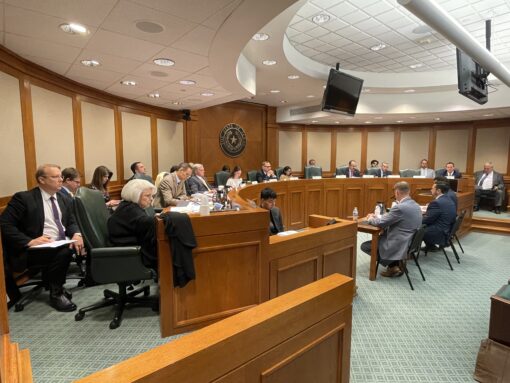
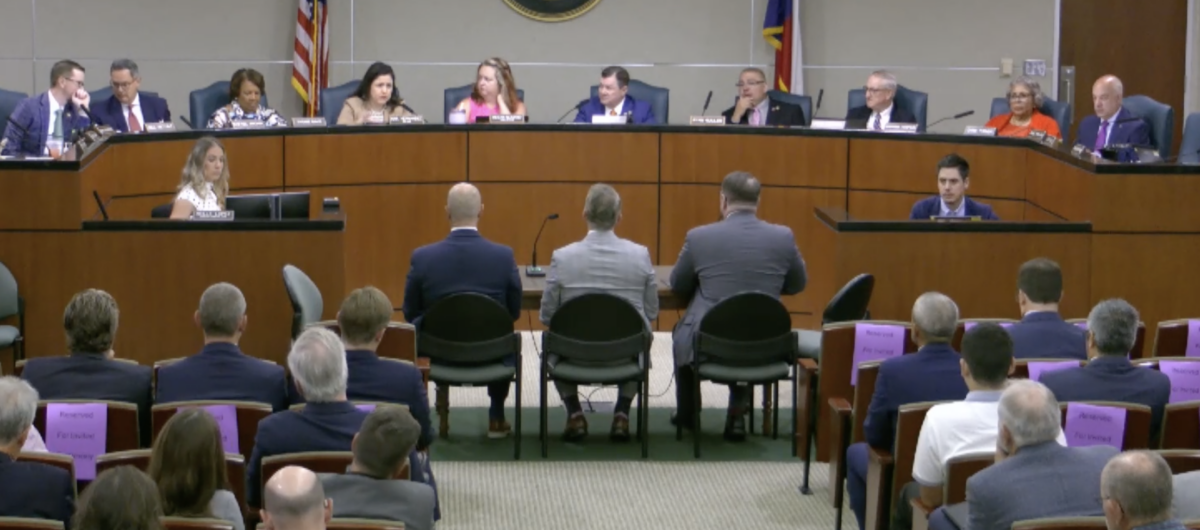
During a six-hour portion of a House State Affairs Committee hearing, representatives of state agencies, power-grid regulators, data center companies, and nearly 50 public witnesses debated whether Texas has adequate safeguards in place as data center development accelerates.
While Texas proves to be a major market for data centers, polling shows that Texans are wary of the facilities.
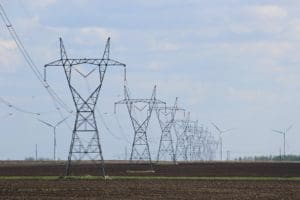
Representatives from Texas’ grid operator ERCOT, the Public Utility Commission of Texas (PUCT), and Office of Public Utility Counsel (OPUC) addressed proposed methods to integrate large loads such as data centers into the power grid without shifting costs or reliability risks to the residential and smaller commercial consumers.
PUCT Chairman Thomas Gleeson reported plans to arrange for data centers to collocate with generating facilities in order to offset grid demand, while ERCOT President Pablo Vegas discussed studying the effects on the grid through batch-integration.
OPUC Chief Executive and Public Counsel Benjamin Barkley discussed moving from a 4CP cost allocation model to a 12CP, which should help prevent large load facilities from shifting the cost burden to smaller consumers. The change is intended to more consistently assign transmission costs to large electricity users, rather than allowing them to avoid those costs by reducing consumption during only a limited number of peak-demand periods.
Despite the announcement of these plans, numerous public witnesses voiced concerns about data centers, including increased infrastructure costs, a lack of transparency or control, increased heat and noise levels, fire risks, and water and power consumption by these facilities.
Testimony from some of the officials seemed to assuage some of these concerns, but exacerbated others.
State Rep. Rafael Anchia (D–Dallas) asked if “data centers are just gaming the system on air permits, they come in at a low threshold and then they grow and then they’re going to have substantially more emissions, but don’t have to come back for changes. That is not true?”
TCEQ Air Permits Deputy Director Sam Short responded, “No, sir, representative. That is not true. If they’re going to make changes, they have to come in and seek the appropriate permit.”
But lawmakers also encountered gaps in the information available to evaluate the industry’s local impact. When State Rep. Richard Raymond (D–Laredo) asked whether the state maintains a database estimating each data center’s expected potable-water use, the Texas Commission on Environmental Quality representatives could not say whether one exists.
Some public witnesses also expressed support for data centers.
Assistant Director of Economic Development John Knight from Red Oak, a city in Ellis County, noted how transformative data centers can be for some local communities, and warned against pushing data centers to other states.
Michael McNamara of Lancium described hearing the testimony of one Texan regarding an alleged negative response to Abilene data centers as “very frustrating.”
“I go [to Abilene] all the time. I’m there every two weeks. It’s almost universally positive.”
McNamara and other witnesses representing data center companies stated that the main concern is ensuring “bad actors” aren’t able to construct and operate data centers to the detriment of Texas residents.
Michael Lucci, founder of State Armor, said that the data center issue was a matter of national security.
“The United States and the Chinese Communist Party both define artificial intelligence dominance as essential to national security, and they both actually agree. We both agree that the winner in this race will have extraordinary leverage over the other.”
While the hearing did not produce a consensus on how aggressively Texas should regulate data centers, it made clear that lawmakers face growing pressure to determine who bears the costs of new generation and transmission, how much information communities receive before projects are built, and what protections are necessary for Texans living near the facilities.
The next legislative session begins January 12, 2027.