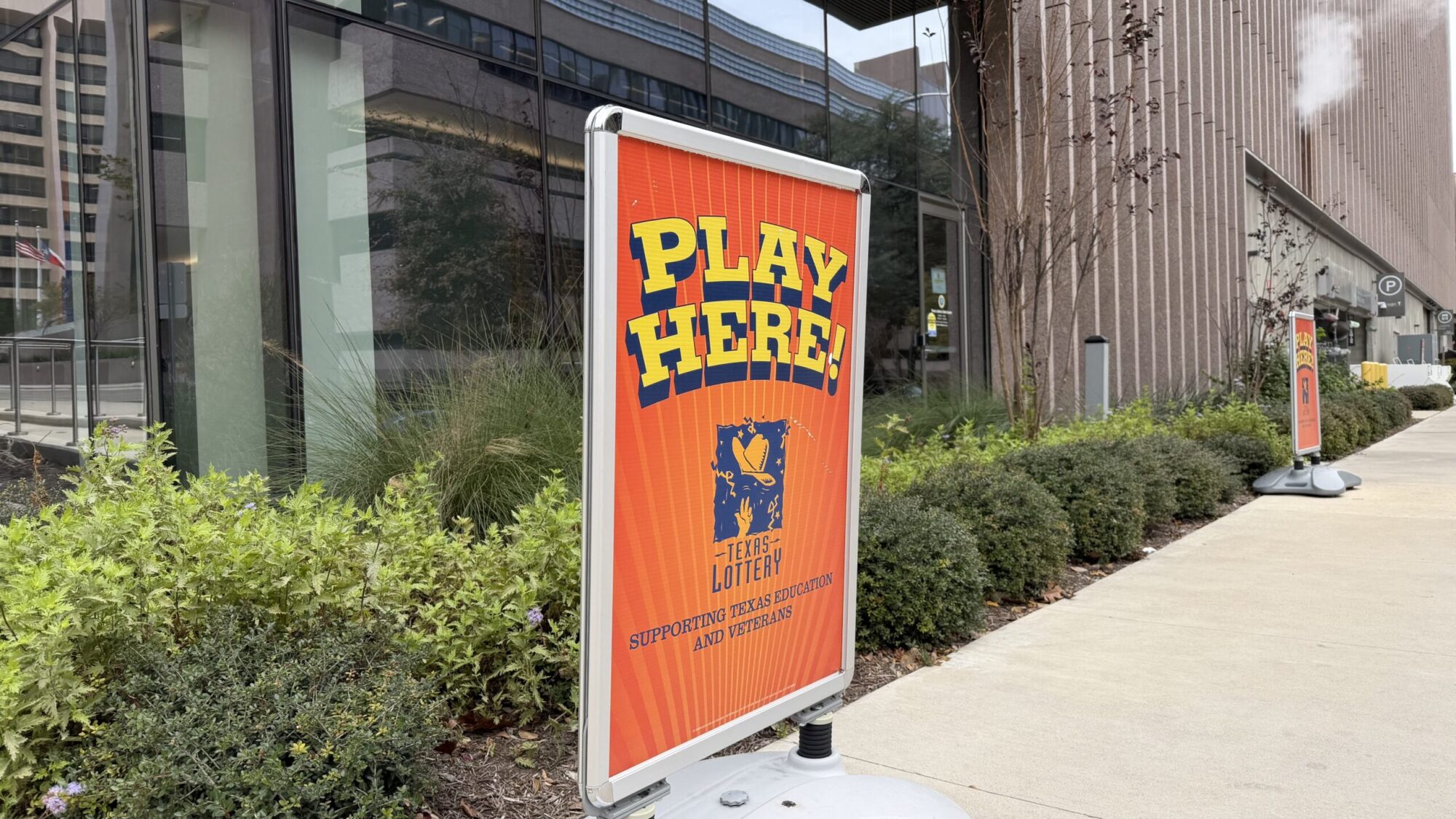
Recent reporting by an Australian investigative journalist is shedding new light on the secretive gambling syndicate that, with assistance from the Texas Lottery Commission, rigged a $95 million Lotto Texas jackpot in April 2023.
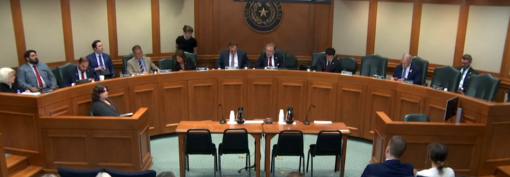
The fallout from that jackpot, along with mounting public pressure and scrutiny from lawmakers during the 2025 legislative session, led to the dissolution of the Texas Lottery Commission and the launch of two official investigations, which so far have produced no results after more than a year.
Both Governor Greg Abbott and Attorney General Ken Paxton announced inquiries into the scandal in February 2025. Yet, according to multiple individuals with direct knowledge of the 2023 drawing, including two who spoke to The Sydney Morning Herald, neither investigation has contacted key witnesses.
The Australian coverage builds on years of reporting by both Texas and U.S. national publications but incorporates interviews with Zeljko Ranogajec, known in betting circles as “The Joker,” and Bernard Marantelli.
According to their accounts, the two partnered with Lottery.com and other digital resellers to print nearly every possible combination of numbers on state-provided lottery terminals that, at the direction of Texas Lottery staff, were deliberately surged to facilitate the scheme.
Ranogajec told the Herald that “it would not have been possible to participate at this scale without full cooperation.”
In prior years, lottery terminals in Texas had been updated to allow barcode scanning for quick number input, a change requested by reseller companies. That functionality, combined with the development of an application to create QR codes, enabled automated sequential ticket printing, eliminated duplicates, and dramatically increased the odds of hitting the jackpot.
After taxes, the syndicate collected a lump-sum payout of roughly nearly $58 million, doubling what it spent on tickets. Lawmakers and state officials condemned the win, with Lieutenant Governor Dan Patrick calling it “the biggest theft from the people of Texas.”
Senator Paul Bettencourt went further, calling the group’s purchasing behavior a “clear indication of money laundering.” When interviewed, Ranogajec did not identify the source of funds used to buy the tickets, but the founders of Lottery.com have been accused, in legal filings and SEC records, of defrauding a church in California, Lottery.com itself, and a businesswoman in Florida. These accumulated funds have been cited as a possible funding source.
The article notes that Bernard Marantelli was an early investor in AutoLotto, which later changed its name to Lottery.com.
Meanwhile, multiple lawsuits in Texas and federal courts accuse Lottery.com and its executives, and in some cases former state lottery officials, of perpetrating a “long‑running fraud scheme.” Federal prosecutors have secured guilty pleas from two of the company’s former executives, and the Securities and Exchange Commission is currently suing the Texas-based company’s founders for misleading investors.
One Australian connection not explored in the Herald article was a $1 million ticket printed at a Lottery.com‑linked vendor in Waco that went unclaimed for months. When a winner finally surfaced, it was an Australian citizen who claimed the ticket at a hotel in China. Peter Farris, the Australian who claimed the $1 million prize, is from the same town as Ade Repcenko, the software developer who developed the QR-code program used to generate tickets during the 2023 lottery ticket printing.
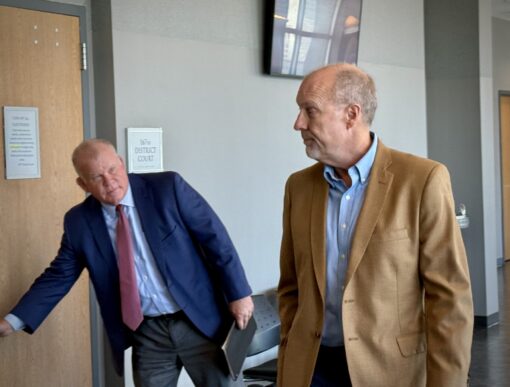
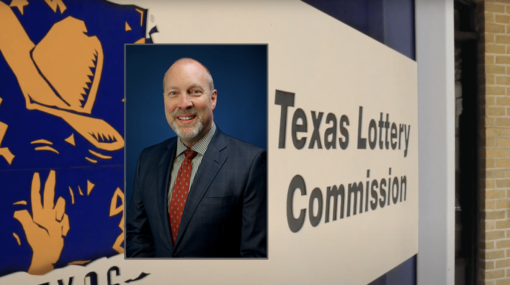
The $1 million ticket was received by the Texas Lottery after the deadline and paid out weeks later, with approval from former Texas Lottery Executive Director Gary Grief. According to the Herald article, Grief’s attorney declined to answer questions about his client’s whereabouts and said that Grief “looks forward to participating in any official inquiry.”
When it comes to the proliferation of lottery ticket resellers operating in Texas that facilitated the 2023 drawing, it cannot be ruled out that the Lottery Commission was acting on guidance it had received.