A self-described Muslim university operating in North Texas is facing a lawsuit from the State of Texas over allegations it illegally offered unapproved degrees while misleading prospective students about its legitimacy and ties to Texas A&M University.
Filed Monday in Collin County district court, the lawsuit targets Texas American Muslim University—also referred to as “TexAM”—along with administrators Shahid A. Bajwa, Bilal Piracha, and Arsalan Shahzad. The state is seeking temporary and permanent injunctions as well as more than $1 million in civil penalties.
According to the petition, TexAM operated as an unlicensed and unaccredited “university” despite never receiving authorization from the Texas Higher Education Coordinating Board to grant degrees in Texas.
The lawsuit alleges the organization advertised bachelor’s and master’s degree programs, operated a student campus in Richardson, and solicited students online and overseas without the certificate of authority required under Texas law.
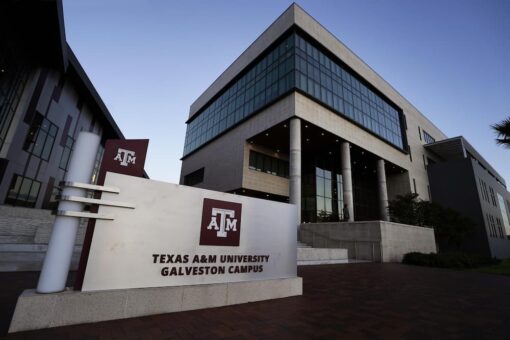
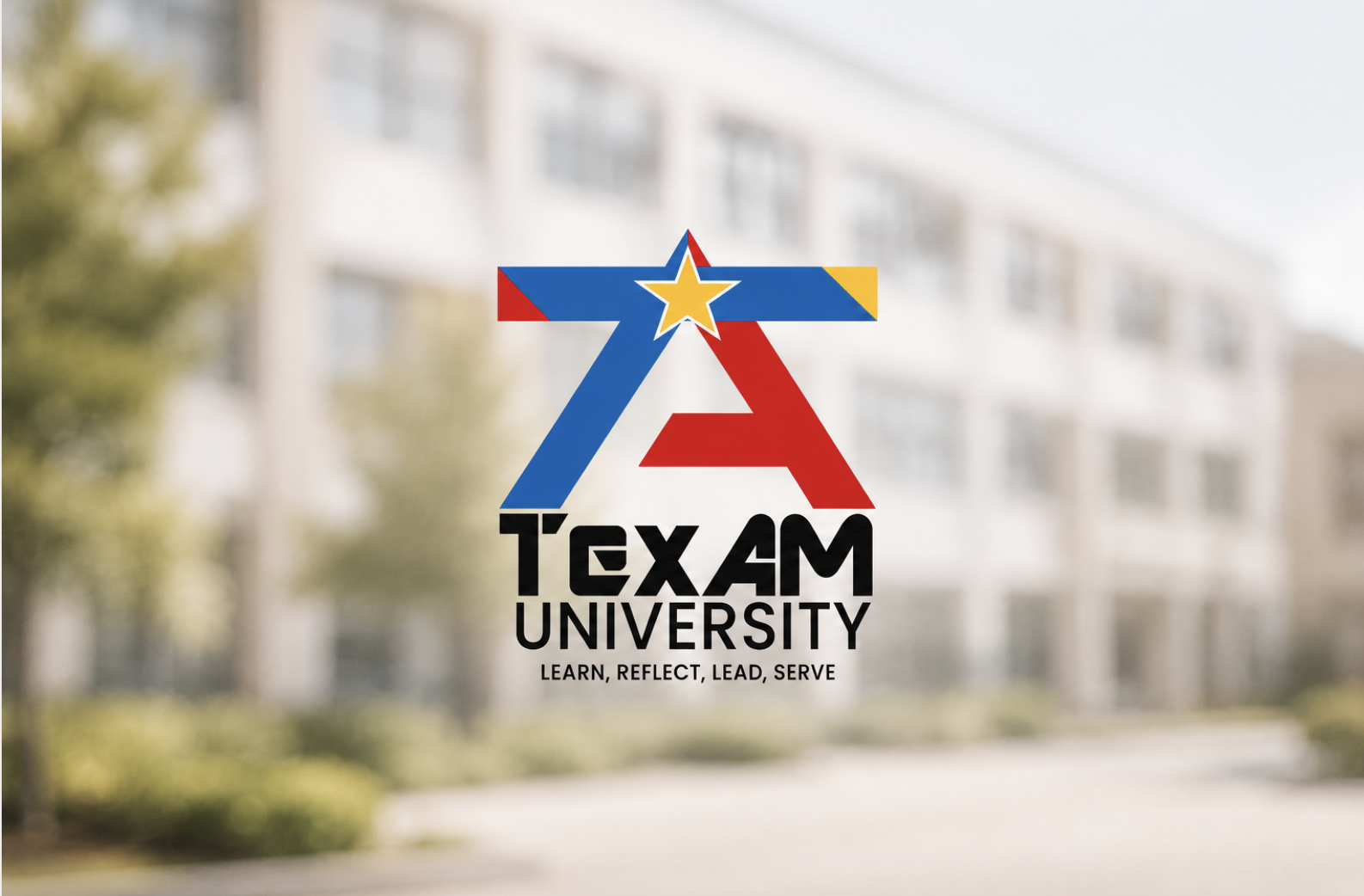
State attorneys further allege the entity adopted branding “confusingly similar” to Texas A&M University and the Texas A&M University System, creating public confusion about whether the school was affiliated with the state university system.
“TexAM has repeatedly disregarded Texas law, misrepresented its authority to grant degrees, and risked deceiving students about its legitimacy,” Attorney General Ken Paxton said in a statement announcing the suit. “My office will not allow illegal, unaccredited degree mills to operate in Texas.”
The lawsuit follows multiple warnings issued by state education officials and the Texas A&M University System.
Earlier this month, the Texas Higher Education Coordinating Board issued TexAM a cease-and-desist order after determining the organization was illegally operating in Texas without authority to offer degrees.
Separately, the Texas A&M University System accused the organization of improperly using branding that could mislead prospective students into believing the school was affiliated with Texas A&M.
According to the lawsuit, the organization began in 2023 as the “Texas American Technologies Foundation” before later rebranding as the “Texas American Muslim Institute for Technology, at Dallas.”
In September 2025, the entity filed an assumed name certificate to conduct business as “Texas American Muslim University, at Dallas.”
The state says TexAM later opened admissions for programs in computer science, cybersecurity, health informatics, information technology, and STEM-integrated Islamic studies.
TexAM also promoted itself online as “the first university in the United States to offer STEM degree programs embedded with mandatory courses in Islamic Studies,” according to the lawsuit.
The petition further alleges the organization marketed discounted tuition for overseas students and advertised that students could “Earn a U.S. Degree from the Comfort of Your Home.”
State attorneys additionally claim the organization’s nonprofit charter was forfeited in February 2026 and has not been reinstated.
The attorney general’s office is asking the court to immediately bar TexAM from operating as a postsecondary institution in Texas and prohibit the use of branding similar to Texas A&M University.
As of Monday, TexAM’s website appeared to be offline. The lawsuit states the website became inaccessible around May 12.
In a response to Texas Scorecard, TexAM representatives said the organization had already complied with directives from the Texas Higher Education Coordinating Board before the lawsuit was filed.
The group said it informed THECB through its attorney on May 11 that it was no longer operating as a “university” or offering degree programs and courses.
TexAM also argued its legal corporate name is “Texas American Muslim Institute for Technology at Dallas” and claimed the “TexAM” branding was intended as a shorthand derived from “Texas,” “American,” and “Muslim,” not an attempt to mimic Texas A&M University.
Regarding the trademark dispute, the organization said “creating a similarity or confusion was never desired or to mislead was never intended.”
The group further claimed there “must have been some miscommunication” between THECB and the attorney general’s office regarding its compliance efforts.
TexAM confirmed its website and social media accounts had been deactivated.