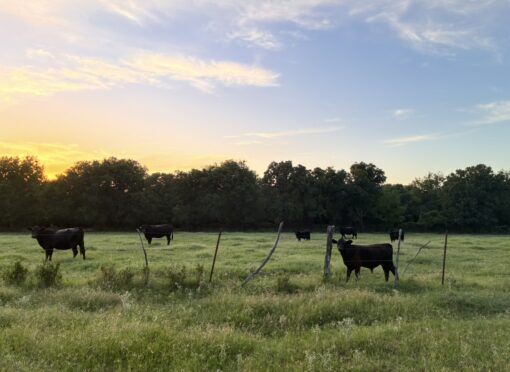
A working ranch horse in Presidio County has become the first horse in the United States diagnosed with New World screwworm this century.
According to the U.S. Equestrian Federation, the infestation was detected on September 9 in the hind limb of a working ranch horse.
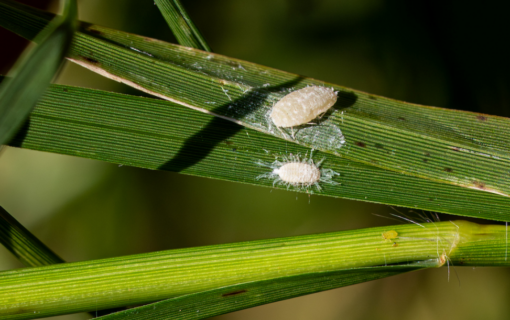
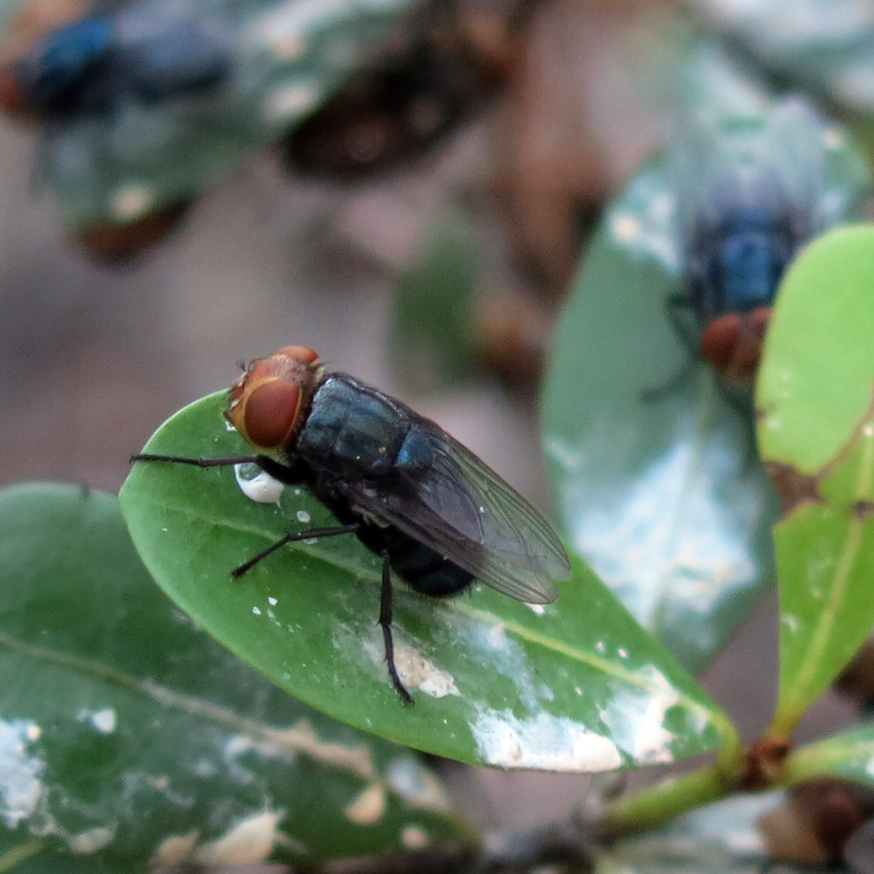
New World screwworm (NWS) is a parasitic fly whose larvae feed on the living tissue of warm-blooded animals. The infestation can affect livestock, wildlife, pets, and, in rare cases, people.
In January, Gov. Greg Abbott issued a statewide disaster declaration over the continued expansion of the parasite after officials warned that the parasite could devastate Texas’ wildlife and cattle populations.
More recently, the Texas Animal Health Commission has established movement restrictions in parts of the state affected by the parasite, especially near the Mexican border.
Under the agency’s current guidance, warm-blooded animals generally cannot leave an infested zone without prior authorization. The restrictions are part of a broader federal and state effort to monitor and contain the pest.
The horse case comes after New World screwworm was first confirmed in a Texas calf in June. The parasite had previously been eradicated from the United States and pushed back to the Darien Gap in Central America through the use of sterile insects.
However, following the mass migration under the Biden administration, the pest slowly made its way back to North America.
“Mexico’s abetting of NWS’s spread should be seen as the security threat it is,” stated Ammon Blair, senior fellow at the Texas Public Policy Foundation’s Secure & Sovereign Nation Initiative. “However, Mexico’s leaders continue to invoke sovereignty while practicing selective cooperation.”
Blair also criticized the approach of former Mexican President Andrés Manuel López Obrador and former President Joe Biden, arguing that their policies contributed to conditions that allowed cartel-controlled migration routes to expand.
The U.S. Department of Agriculture and state officials continue to monitor the outbreak through animal surveillance, reporting, and control measures, including sterile fly dispersal.