Cartel-linked fuel trafficking has evolved into a multibillion-dollar organized-crime enterprise that endangers motorists with overloaded hazardous-material trucks, damages roads and farmland, and helps launder proceeds from drug and human trafficking, according to testimony before a Texas Senate Committee on Thursday.
The Select Committee on Homeland and Border Security examined cartel-linked fuel trafficking and the related public safety risks during a lengthy hearing.
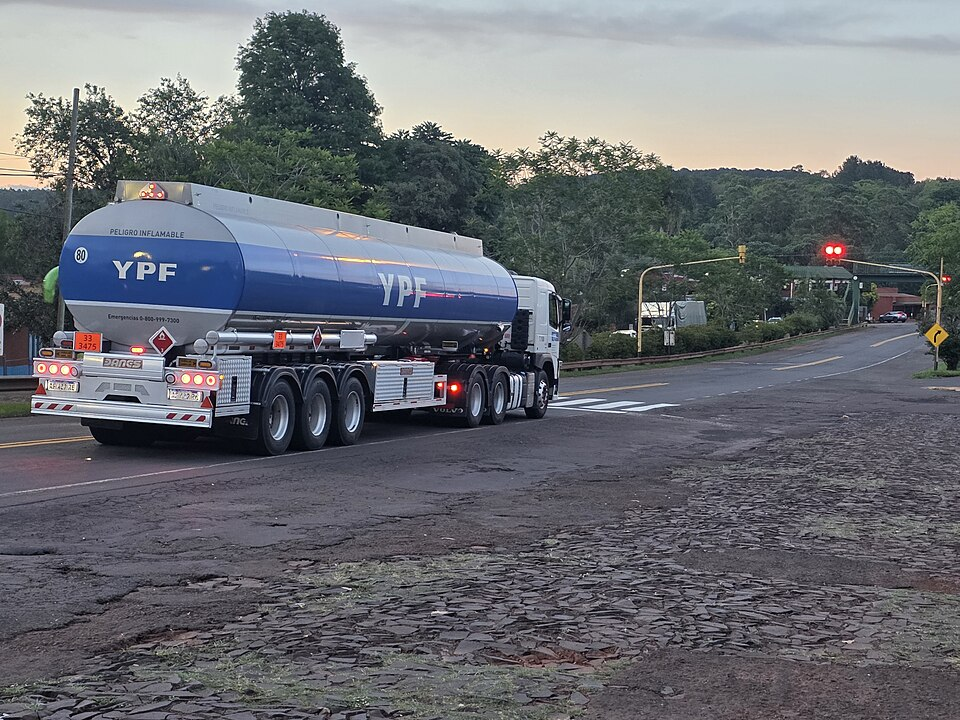
Fuel trafficking begins when diesel is legally purchased in Texas. Truck drivers then purchase overweight permits that only authorize travel on designated routes, then divert to clandestine fuel sites. There, the diesel is cut with substances that increase the volume in order to sell more fuel in Mexico per trip.
Additional fuel can push trucks beyond the weight authorized under their permits, according to Director of the Texas Department of Public Safety Col. Freeman Martin, which poses a significant risk to public safety.
The Texas Department of Public Safety estimated that the fuel trafficking industry is a $12-21 billion enterprise, making it as profitable as the trafficking of narcotics.
Cartels are trafficking fuel because Mexico has a small refining ability and a very large demand for diesel, which raises the prices two to three times greater than prices in the U.S. In addition, fuel trafficking serves as a way for cartels to launder their proceeds from human trafficking and drug trading.
“[S]ome of them that are actually working these cases believe that it’s the number one [enterprise] that has succeeded their narcotics trafficking,” said Martin. “There’s so many similarities to fuel trafficking, narcotic trafficking. They’re taking legitimate business, and you know, and rather than loading drugs into produce and furniture and auto parts and legitimate trade with the United States and smuggling north, they’re loading in fuel trucks, or in box trucks, or propane trucks, or any container that you can think of, and hauling it south.”
Martin said one of the most immediate concerns is public safety, particularly the danger posed by overloaded trucks carrying hazardous materials on roads not designed for their permitted weight.
“I worked in rural Texas, and a commercial motor vehicle that was running 90,000 pounds was a big deal, and that’s if they’re hauling agricultural products, but we’re talking about hazardous materials that is a completely different animal, and then they’re already running at 125,000 pounds because they’re on these corridors where they have permits. Then they divert from those routes through neighborhoods [and school districts, but] they’re actually at 150,000 pounds because they pulled off at a clandestine fuel site. [Just] the fact that we’re even discussing this is just mind-boggling to me. There’s so much criminal activity that surrounds this, and it’s all organized crime, ” Martin added.
Martin compared fuel trafficking to organized drug crime. Illicit fuel truck drivers are receiving small amounts of money to drive significant amounts of fuel.
“They’re expendable. You know, if we knock off two or three out of ten, they’re still making a profit,” said Martin.
In order to properly combat fuel trafficking, DPS is increasingly approaching fuel trafficking as an organized crime problem rather than simply a commercial-vehicle violation. Martin said investigators are arresting drivers and tracing where the fuel was purchased and where it was headed in an effort to identify higher-level operators.
“I think we should be going the opposite direction, stiffer penalties for criminals at some point similar to traffic if a drunk driver causes a crash and kills somebody that’s no longer a DWI it’s an intoxication assault, intoxication manslaughter. It moves from traffic code to penal code, and I think this is very similar. We’re dealing with it as if it’s a traffic issue, and it’s really organized criminal activity, and [there] should be a higher criminal penalty. That’s the way we’re approaching it under our court current statutes,” said Martin.
Major Tim Murphy, representing Texas DPS, stated that fuel trafficking is fundamentally different from the theft of oilfield materials, such as crude oil, due to the fact that it is supporting organized crime. He said DPS is focused on identifying the higher-level operators directing fuel theft rather than only the individuals carrying it out. Murphy added that investigators need probable cause to enter private sites but are exploring regulatory authority that could allow inspections of suspected illicit fuel operations.
DPS Maj. Omar Villareal also described the environmental and infrastructure damage associated with illicit fuel transfers and overloaded trucks.
Villareal said farmers first alerted troopers to suspected illicit fuel transfers after petroleum spills contaminated soil and damaged crops. He added that troopers later connected the activity to roadside transfers and observed that heavily overloaded commercial trucks were contributing to potholes, ruts, and other road damage.