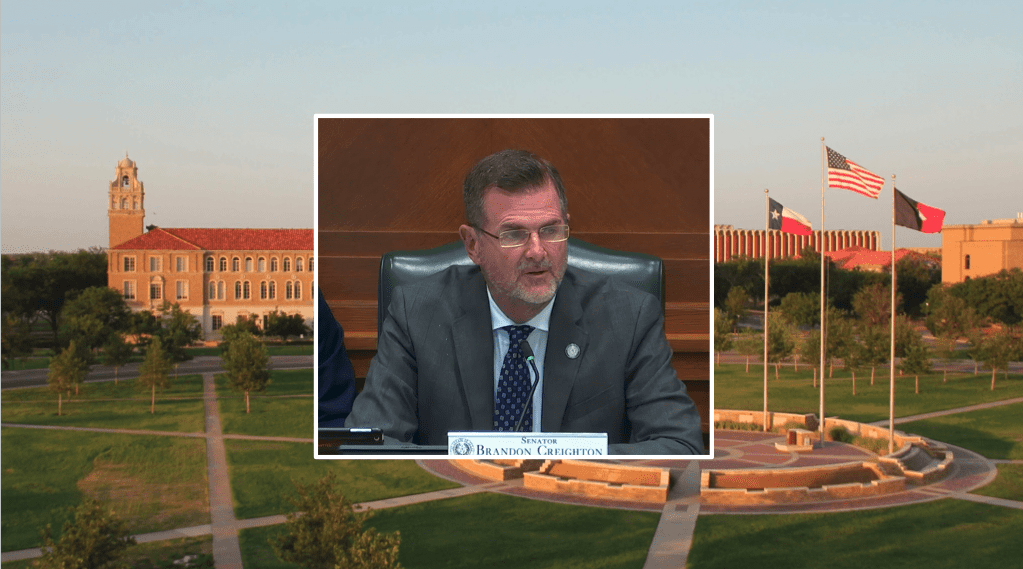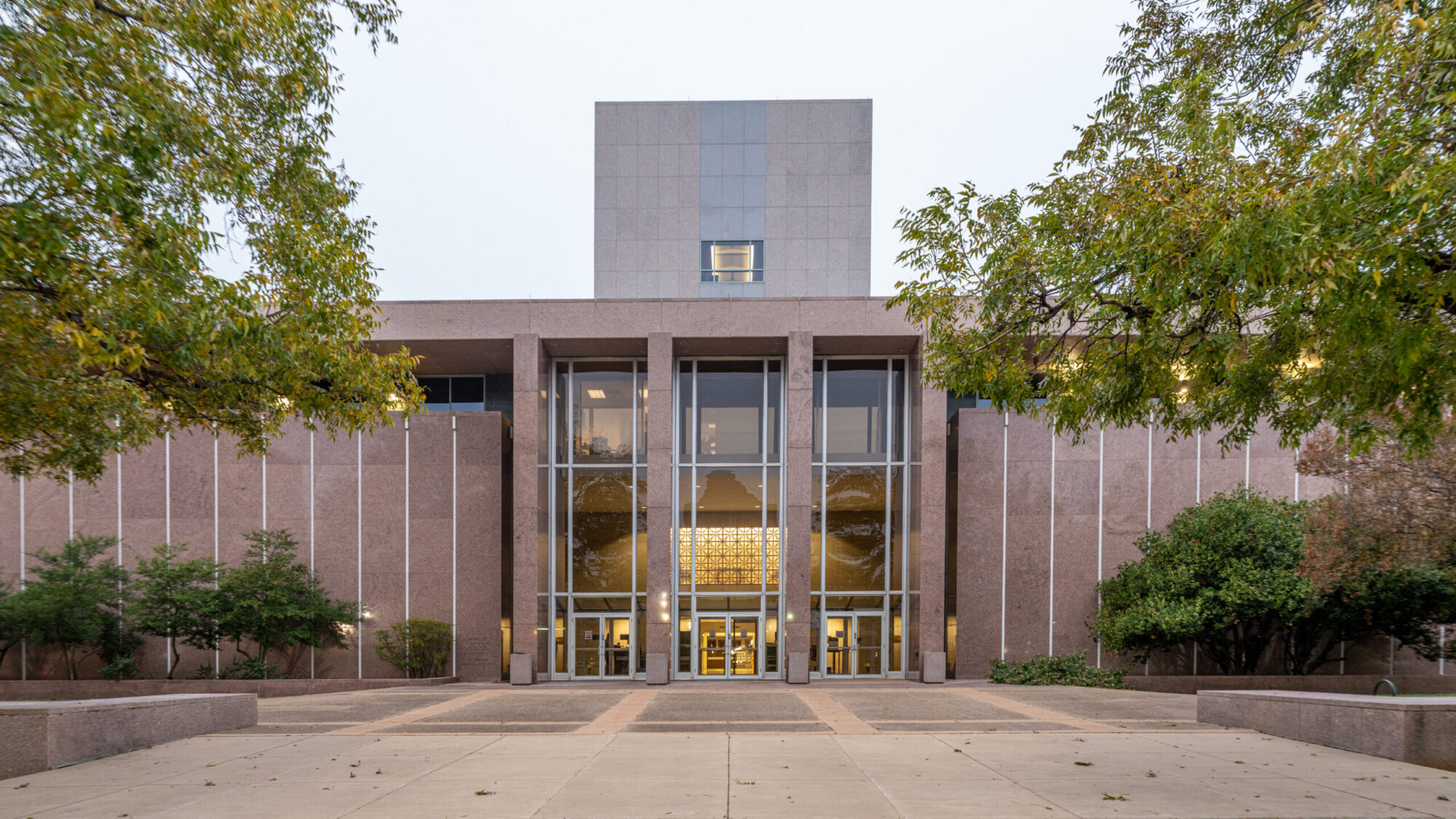
Texas’ Supreme Court is set to hear the case of a “detransitioner” seeking over $1 million in damages from a transgender clinic, claiming medical malpractice. Plaintiff Soren Aldaco reportedly underwent a botched double mastectomy as a teenager as a part of her “gender transition.”
Aldaco—now 22 years old—claims her surgery was prompted by a counselor’s recommendation letter full of false information about her gender identity. She has since detransitioned both “medically and ideologically.”
The issue currently before the Court is whether Aldaco filed the lawsuit before the limitations deadline set by the Texas Medical Liability Act.
Background
According to court filings, Aldaco “lived a troubled life, leaving her vulnerable to manipulation and susceptible to risky medical decision-making during her teen years.”
In 8th and 9th grade, Aldaco reportedly “fluctuated between gender identities.” In high school she experienced debilitating depression and anxiety, causing her to fall behind in classes. At 15, she met her biological father for the first time. Shortly after, her mental health issues worsened, resulting in a psychiatric hospitalization in January 2018.
In July 2020, Aldaco began attending telehealth appointments with Barbara Wood, a counselor at Three Oaks Counseling Group. The appointments focused primarily on relationship issues between Aldaco and her female partner.
Regarding her gender expression, Aldaco only expressed to Wood that she was “becoming more comfortable with a non-binary expression” and that “she was finding balance in this fluidity.” The issue was never a focus of their sessions, meaning Wood had little to no insight into Ms. Aldaco’s gender perspective and experience.
Nonetheless, Wood is accused of authoring a February 2021 recommendation letter “replete with falsities, recommending and even encouraging Ms. Aldaco to permanently disfigure her body by having a double mastectomy.”
In the letter, Wood revealed that her “ex-spouse underwent transition” during the time they were together, and that she “witnessed all of the stages leading up to that decision.”
“I am fully versed on this process and endorse Mr. Aldaco’s decision for the top surgery,” she continued. Throughout the letter, Wood referred to Ms. Aldaco as “Mr. Aldaco,” along with other masculine pronouns.
The letter was then provided to, and relied upon, by the Crane Clinic—a notorious surgical center that performs “gender-affirming” surgeries and other “gender-affirming” treatments—as a prerequisite for surgery.
Aldaco had the surgery in June 2021, about a month after Wood stopped counseling her. Although her “depressed, confused” stage did not last, the effects of the surgery did, and Aldaco came to regret it.
On Allie Beth Stuckey’s Relatable podcast, Aldaco revealed many of the complications that followed the surgery, including extensive abdominal bleeding and bruising. Doctors and nurses at the clinic allegedly disregarded her medical concerns post-operation.
Just six months after the surgery, Aldaco claims to have “detransitioned medically and ideologically.”
The Lawsuit
On July 21, 2023, Aldaco filed a lawsuit in Tarrant County against Wood, Three Oaks Counseling Group, Crane Clinic LLC, and others for negligence and gross negligence based on Wood’s letter. Fraud claims have since been added to the suit.
Aldaco is seeking more than $1 million in damages.
The trial court concluded that her claims were time-barred under the Texas Medical Liability Act (TMLA), which requires her claims to have been filed within two years of the incident.
The court reasoned that Aldaco’s claims trace back to the February 2021 letter rather than the June 2021 surgery. Aldaco did not send the defendants written pre-suit notice of her healthcare liability claims until May 2023, failing to meet the two-year deadline.
On appeal, the Second Court of Appeals in Fort Worth affirmed the decision, reasoning that even if Wood’s letter did not cause compensable damage until the surgery, it still represents the start date for Aldaco’s liability claims.
Aldaco filed another appeal, arguing that “the court of appeals unraveled decades of precedent and gutted this basic tenet when it concluded that Ms. Aldaco should have sued the Wood Defendants within two years of February 22, 2021, ‘even if’ the Wood Letter did not cause her any ‘compensable damage until she underwent surgery.’”
She also claims the court of appeals ignored the express language of subsection (b) of the TMLA, which expressly “permits claims to be brought under the TMLA up to ten (10) years from the date of the act or occurrence.” This deadline serves as an absolute outer cutoff.
Aldaco contends that situations such as hers are precisely why subsection (b) exists, and that the court of appeals rendered it meaningless, “detrimentally altering the rights of a plaintiff in Texas to bring a legitimate cause of action for personal injury resulting from medical malpractice.”
The Supreme Court of Texas granted Aldaco’s petition for review on December 19, 2025.
The issue before the court is whether Aldaco filed suit before her limitations deadline. The court must consider whether the limitations date is calculated from the date of the act or the date of the completed tort, and whether subsection (b) is applicable to her case.
The Court is set to hear oral arguments on February 11.
Should the Court rule in favor of Aldaco, the case would be remanded to the trial court to proceed on the merits.
If you or anyone you know has information regarding court cases, please contact our tip line: [email protected].
No ads. No paywalls. No government grants. No corporate masters.
Just real news for real Texans.
Support Texas Scorecard to keep it that way!