A Texas congressman has filed legislation that would help ensure a unified federal response to the New World screwworm amid ongoing warnings from state and federal agricultural leaders about the threat it poses.
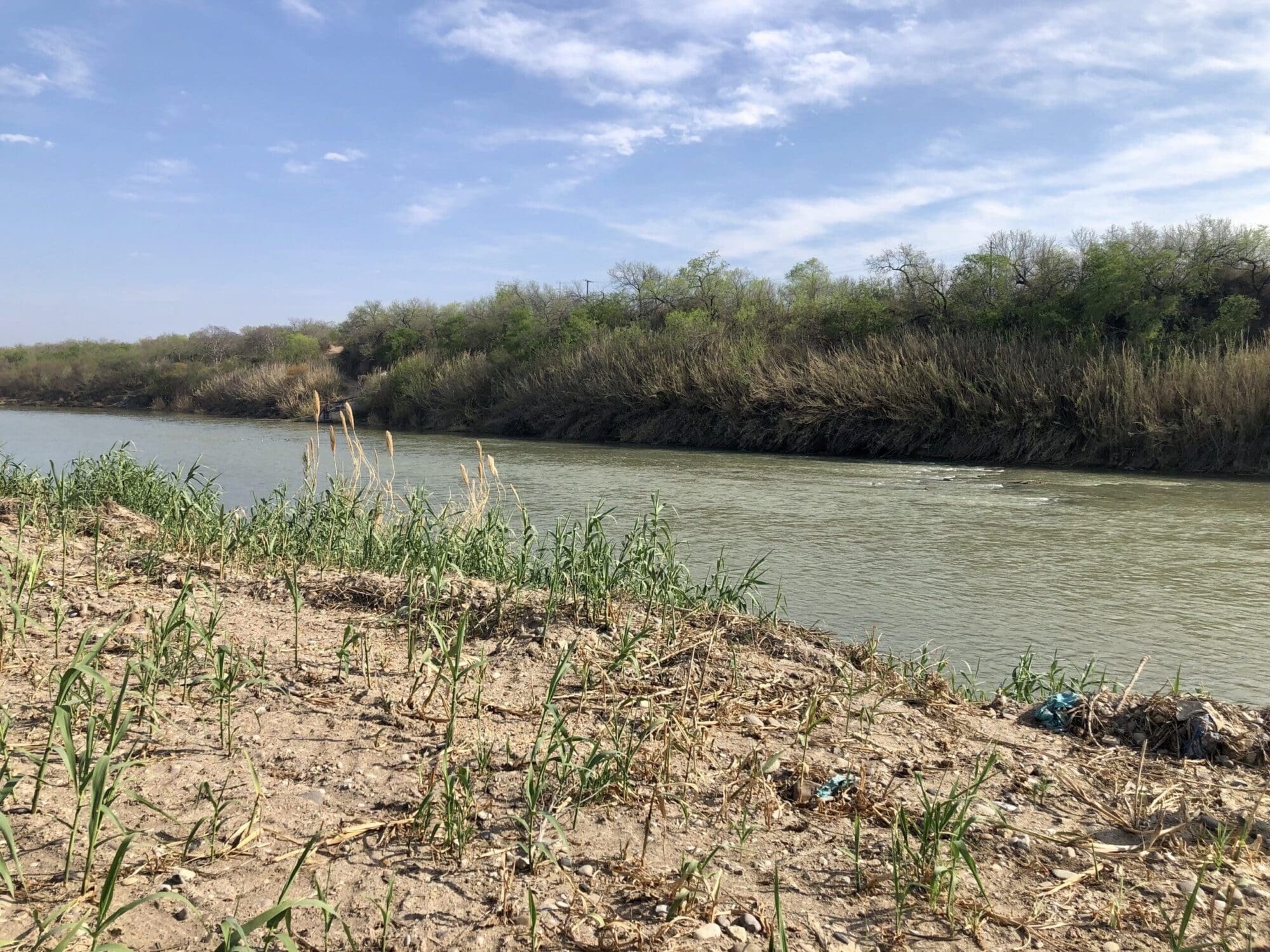
Originally from South America, the flesh-eating parasite has not been detected in the U.S., but active cases of infestation have been confirmed near the Texas-Mexico border.
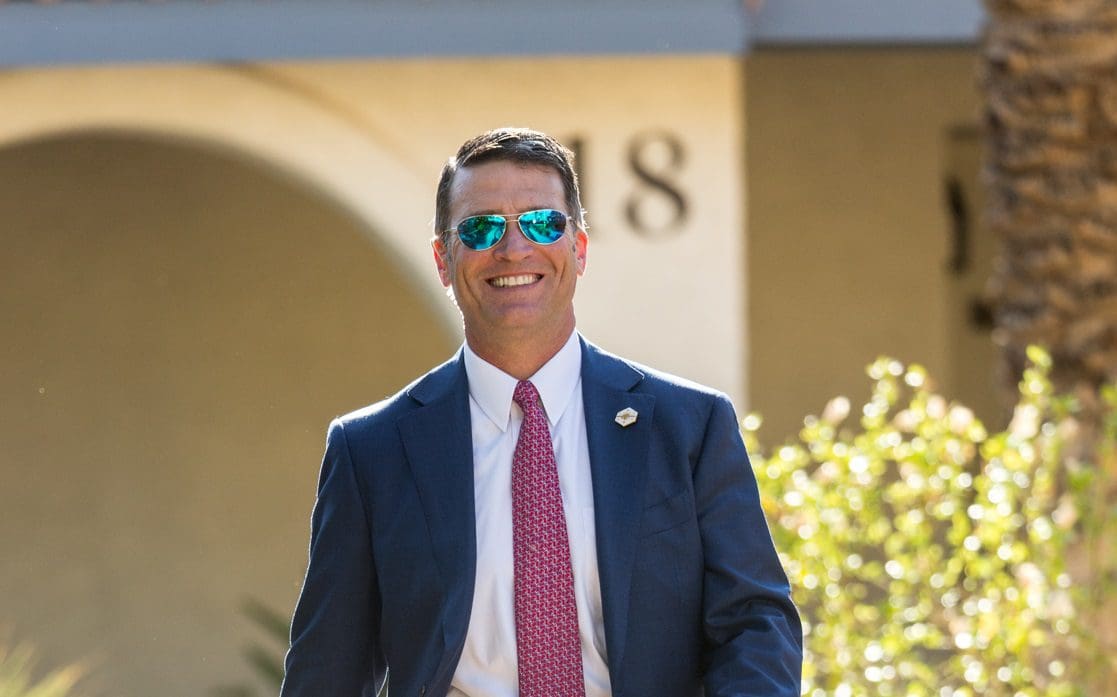
U.S. Rep. Ronny Jackson of Amarillo has filed “The SAFE Cattle Act,” which would require the U.S. Department of Agriculture and the Department of the Interior to enter into a memorandum of understanding allowing them to jointly monitor for screwworm cases in “wildlife and non-livestock species of animals” on federal lands.
This step helps ensure early detection and a quick response if a breakout occurs within the U.S., and it also ensures that wildlife are included in monitoring efforts.
“The SAFE CATTLE Act is a critical step in fortifying the Federal government’s response against the devastating threat of the New World screwworm, which puts over $11 billion in economic value from Texas’ livestock and wildlife industries at immediate risk,” said Jackson. “By ensuring the USDA and DOI are operating in lockstep, we are building on the proactive investments of the Trump administration to combat this parasite and prevent its spread before it destroys our rural communities.”
According to the legislation, the two agencies will also be required to jointly submit a report to the congressional agriculture and natural resources committees on coordination between the agencies, any progress made or infestations discovered, and recommendations to strengthen the federal government’s response.
This reporting is to be done annually until the Secretary of Agriculture informs Congress that the screwworm has been pushed back to the Darian Gap in Panama.
This action follows the opening of the fly dispersal facility at Moore Air Base in South Texas earlier this week with a ribbon-cutting ceremony by federal and state officials.
Secretary of Agriculture Brooke Rollins highlighted that the facility strengthens the U.S.’s ability to stop the northward spread of the pest by allowing for expanded fly dispersion operations and improving response times. The adjoining sterile fly production facility is still under construction, but projected to be finished at the end of 2027.
Rollins gave direction to the USDA dispersion operations on January 30 to begin releasing sterile flies 50 miles into Texas, to reinforce coverage of the border region.
Last month, Gov. Greg Abbott issued a disaster declaration over the northward spread of the screwworm, saying that although there have been no cases detected in the U.S. yet, the spread of the screwworm towards the border still poses a serious risk to Texas’ cattle industry and wildlife.
With the declaration, the Texas NWS Response Team will be able to fully use prevention and response resources to prevent the tissue-eating pest’s re-emergence.
The USDA is also investing $21 million to assist Mexico in turning an existing fruit fly facility in Metapa into a sterile fly production facility. Mexico is projecting that the facility can begin production as soon as summer 2026 and double the current fly production capacity.
Currently, the only U.S. production facility is located in Panama and produces about 100 million flies a week. The production facility at Moore Air Base will produce an estimated 300 million per week once completed.