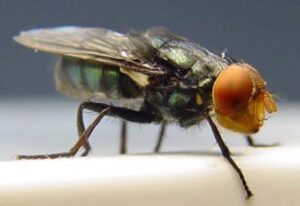
As officials from the U.S. Department of Agriculture celebrate the progress achieved in cracking down on the New World Screwworm, the agency has also announced that live cattle imports from Mexico will resume next month.
Since the first case of New World Screwworm infestation was confirmed in a young South Texas calf in early June, the USDA reports that there have been a total of 42 cases across south and west Texas.
As of publishing, the USDA reports there are eight active cases located in Sutton, Starr, Pecos, Brewster, and Crockett counties.
All of the recorded cases have been domestic, with no cases detected in wildlife.
Last week, the USDA highlighted the progress in implementing its five-prong plan to combat the screwworm as laid out by Secretary of Agriculture Brooke Rollins.
Highlighted accomplishments include developing the male‑only sterile screwworm “Nova” fly, completing the sterile fly dispersal facility in South Texas, creating a screwworm dashboard to post infestation case updates, and partnering with Mexico to monitor screwworm movement and response efforts.
Rollins also announced the beginning of the “phased reopening of southern cattle ports” in Arizona, contingent on Mexico’s cooperation.
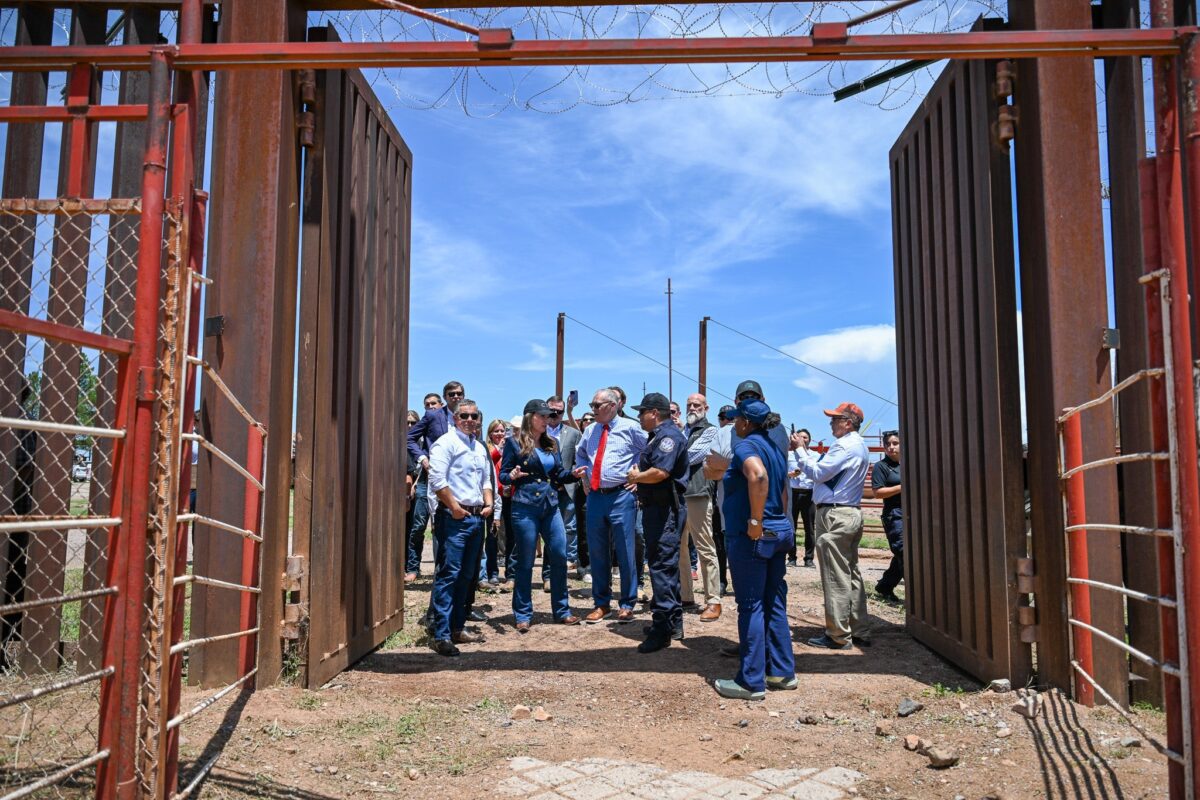
The Douglas, AZ entrance reopens to live cattle trade on August 24. Future reopening dates for the Santa Teresa, NM, and Columbus, NM, ports remain unscheduled.
Each animal entering the U.S. through these ports will undergo a full inspection from the USDA to ensure it is free from signs of screwworm infestations.
“Protecting the United States from NWS and pushing this pest out of Mexico and back to the Darien Gap is a top priority at USDA and has the full attention of the Trump Administration,” said Rollins. “The closure of the Southern ports of entry for the last year has been a tough but necessary action to control the spread of NWS in Mexico and protect the American livestock industry.”
“Thanks to the work across the federal government as well as state, local, and industry partners, it is now safe to reopen the Douglas, Arizona, port in 30 days to resume the hundreds year-old movement of cattle,” she added.
The USDA has determined that the Mexican states of Sonora and Chihuahua, which border Arizona and New Mexico, are low risk “for New World screwworm due to their strong, well-established inspection programs and their geographic distance from southern Mexico, where most cases are concentrated.”
No Texas cattle ports were named in the USDA’s announcement.
Several Texas agricultural organizations have released statements regarding Rollins’ plan, some praising the move, and others criticizing it.
The Texas Farm Bureau praised the decision, saying that the approach “balances the need to protect the nation’s livestock herd while allowing producers to move animals through markets.”
The Independent Cattlemen’s Association of Texas raised concerns about the action, citing health threats to the U.S cattle herd and failures in the integrity of Mexico’s cattle trade system.
Rollins held a press conference at the Douglas, AZ port of entry, where she announced the allocation of $25 million towards a sterile fly dispersal facility in Arizona.
“Douglas is the best choice livestock port on the southern border,” wrote Rollins in a social media post. “The reopening will remain strategic and responsive. And protecting American livestock will always come first.”