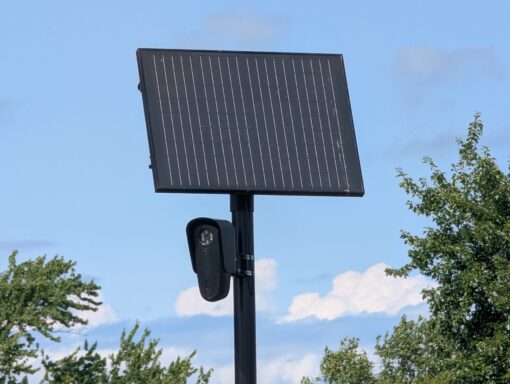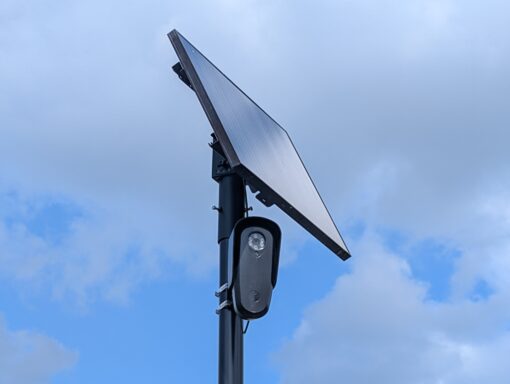
Hood County has decommissioned three Flock cameras following backlash to what officials and citizens have described as mass surveillance.
Flock’s automated license plate readers use AI to scan license plates and save information about a vehicle, such as make, model, color, and other identifiers like cosmetic damage or bumper stickers.
Flock’s database is free for law enforcement officers to access anytime without a warrant, raising concerns over the potential violations of citizens’ Fourth Amendment rights.
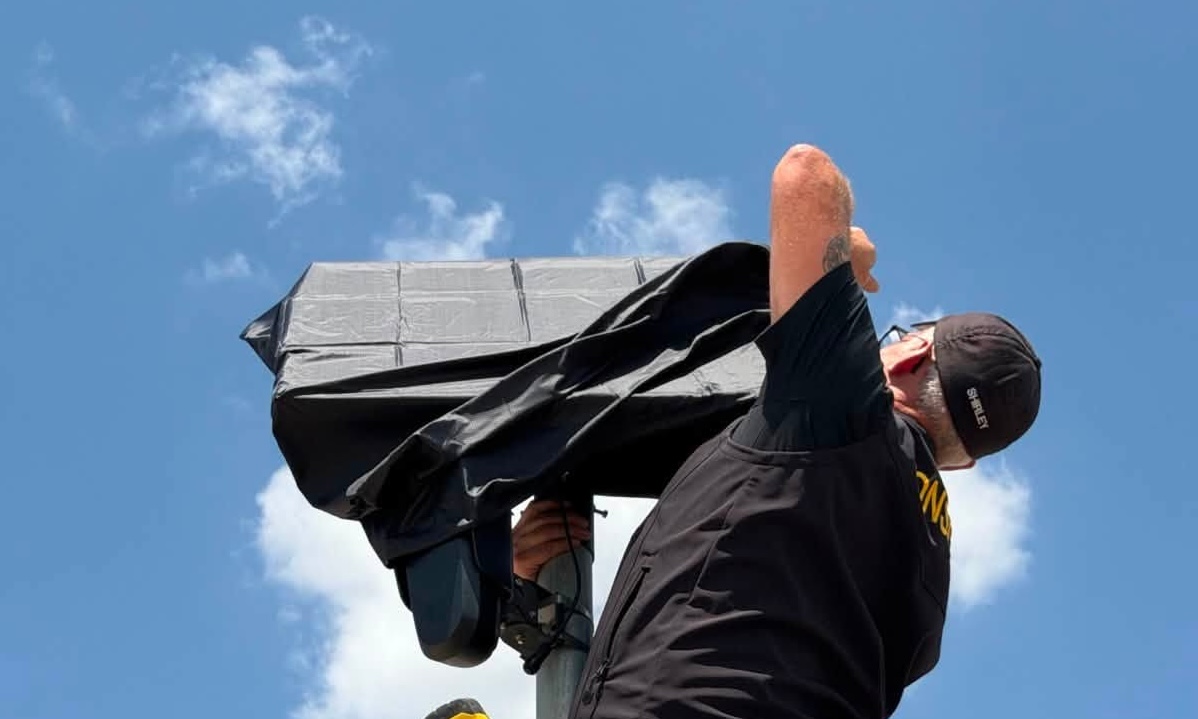
The Hood County Commissioners Court decided on August 11 to place “temporary, non-damaging coverings over the three county contracted Flock automated license plate reader camera units” in Hood County following the termination of the county’s agreement with Flock.
The coverings are expected to be in place until the cameras are removed.
Hood County Constable John Shirley stated, “these cameras were constantly scanning and recording regular folks just going about their day.”
“By unplugging and covering them, we’re making it clear: privacy isn’t optional, and mass surveillance isn’t how we do things here. To Flock Safety Systems: come get your garbage out of my county.”
Flock describes itself as building “technology that helps law enforcement, businesses, schools, and communities find relevant information, respond faster, and make better-informed decisions.”
However, many alleged abuses of the technology have come to light in recent days.
A Florida officer allegedly used the cameras to track his estranged wife over 700 times. The officer is facing charges of one count of official misconduct and another count of offenses against users of computers.
The officer stated he was using the technology to keep track of his children’s location when they were in his wife’s custody.
In a similar incident, three Georgia deputies were arrested for allegedly using the Flock cameras to stalk individuals they knew. All three have since resigned from their positions.
Hood County is not the first area to take “de-Flocking” action.
According to some reports, at least 100 cities across America have deactivated their cameras or canceled or rejected automated license plate reader contracts.
Other officials, such as Carrollton Mayor Steve Babick, have praised the cameras for helping to solve criminal cases.
“In the last 30 days, we’ve had 1,710 alerts,” said Babick. “That includes 43 stolen vehicles, that includes 76 warrants for arrest that were outstanding, and that includes six missing people on the list.”
Flock has responded to this controversy by implementing platform changes, such as requiring law enforcement customers to audit the camera system to monitor for abnormal search behavior.
“Hindsight tends to be very clear,” said Flock CEO Garrett Langley in a recent interview regarding camera abuses. “And I think, of course, we could have done more earlier, and we listen, and we learn, and we’ll continue to move forward because until everyone has an equal level of safety in this country, we have work to do.”
Texas lawmakers are expected to address the Flock controversy in the upcoming legislative session.
The Rusk County and Waller County Republican parties have both adopted resolutions calling on the Texas Legislature to add guardrails to ALPR systems, citing Fourth Amendment protections requiring a warrant for location data.
During public comments for a recent Texas House Committee on Delivery of Government Efficiency hearing, several citizens expressed privacy concerns regarding Flock usage, with one commenter demanding that lawmakers “protect the 4th amendment!”