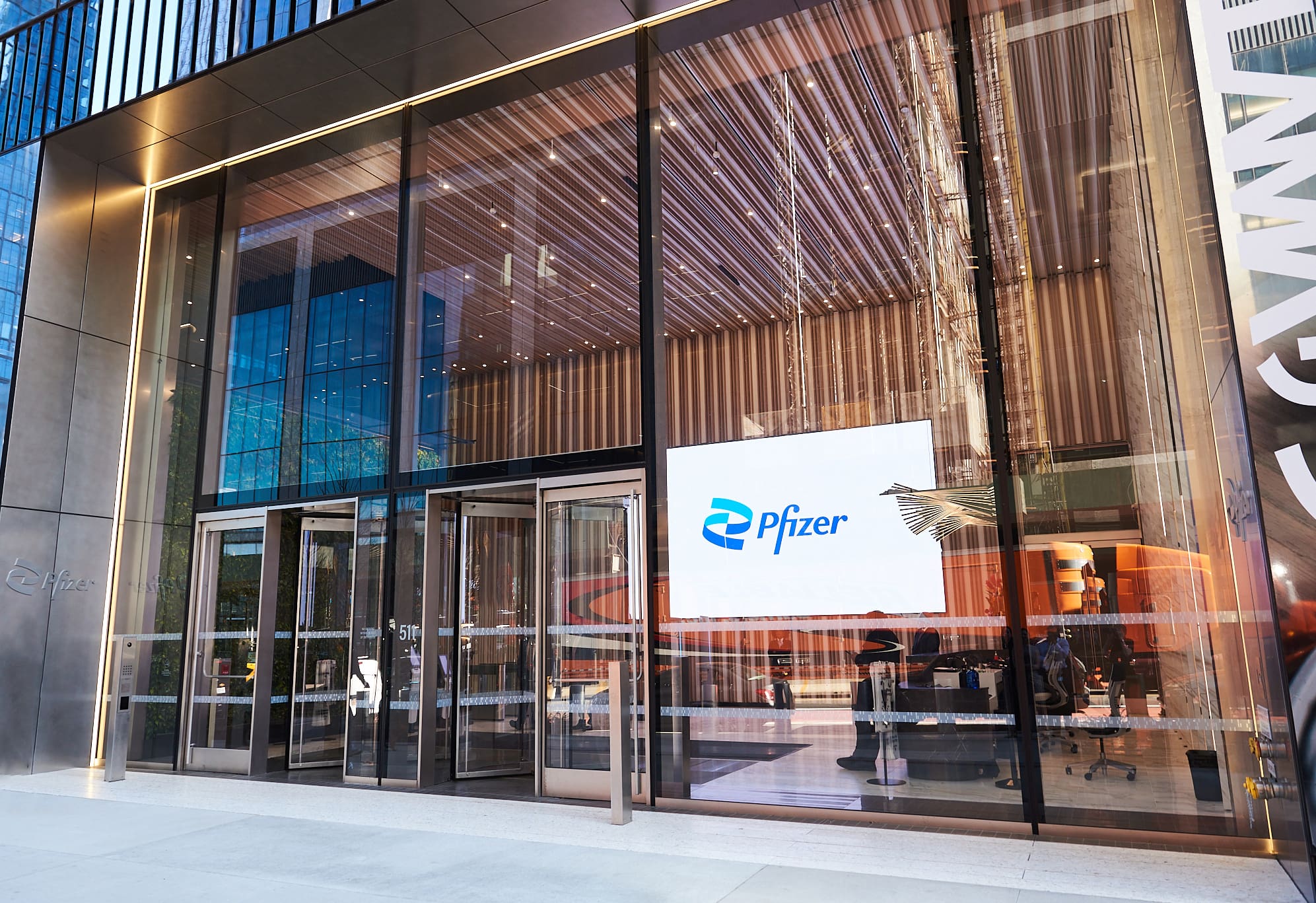
Texas Attorney General Ken Paxton is asking the U.S. Fifth Circuit Court of Appeals to revive his lawsuit against the pharmaceutical company Pfizer for “knowingly misrepresenting” COVID-19 vaccine efficacy, after it was dismissed by a federal district judge.
He argues that the lower court lacked jurisdiction to issue the dismissal. Oral arguments were heard on Tuesday, with the three-judge panel seemingly agreeing with his contention.
Background
In November 2023, Paxton sued Pfizer in a Lubbock state district court, claiming the company violated the Texas Deceptive Trade Practices Act by misrepresenting its vaccine as possessing a 95 percent efficacy rate.
This metric is allegedly based on misleading “relative risk reduction” statistics for vaccinated individuals generated by the company’s initial clinical trials.
“Pfizer repeatedly and knowingly misrepresented the effectiveness and safety of their COVID-19 vaccine and pressured Americans to take the shot without full knowledge of the risks,” stated Paxton. “When consumers questioned the effectiveness and safety of the vaccine, Pfizer sought to silence them—prioritizing profits over the truth.”
Pfizer had the case removed to federal court, claiming it had acted under a federal government contract and federal direction. It was moved to the U.S. District Court for the Northern District of Texas.
Senior U.S. District Judge Sam Cummings granted Pfizer’s motion to dismiss in December 2024. He reasoned that the company is entitled to legal immunity under the federal Public Readiness and Emergency (PREP) Act, part of the Department of Defense Appropriations Act passed in 2006.
Paxton appealed the dismissal to the Fifth Circuit, stating that he “will not stop until Pfizer is held accountable for deceptively pushing its COVID-19 vaccine on consumers.”
The Appeal
The appeal was taken up by a three-judge panel of the Fifth Circuit, consisting of Judges Edith Jones, Leslie Southwick, and Don Willett. Oral arguments were heard on Tuesday.
Paxton’s office argued, in part, that Pfizer should not have been granted immunity. Such immunity would only apply to alleged “claims for loss,” meaning the State would have had to allege injuries for which it seeks compensation.
But the State did not allege injuries. Rather, it is seeking injunctive relief and civil penalties to punish and deter Pfizer for its actions. Paxton’s office emphasized that this is different in kind and purpose.
Pfizer argued that the State’s claims against Pfizer constitute “claims for loss,” as it alleges that by the company withholding information from Texans it exposed them to health risks.
As a separate matter, the three-judge panel is questioning whether the case’s removal to federal court was proper.
Both Paxton’s office and Pfizer agreed that removal is proper, but the court noted that such an agreement does not mean it is the proper jurisdiction. The judges further emphasized their skepticism.
In response, Paxton’s office noted that if the court decided removal was improper, the proper remedy would be to remand the case to state court, thereby reversing Judge Cumming’s federal district court dismissal.
If you or anyone you know has information regarding court cases, please contact our tip line: scorecardtips@protonmail.com.