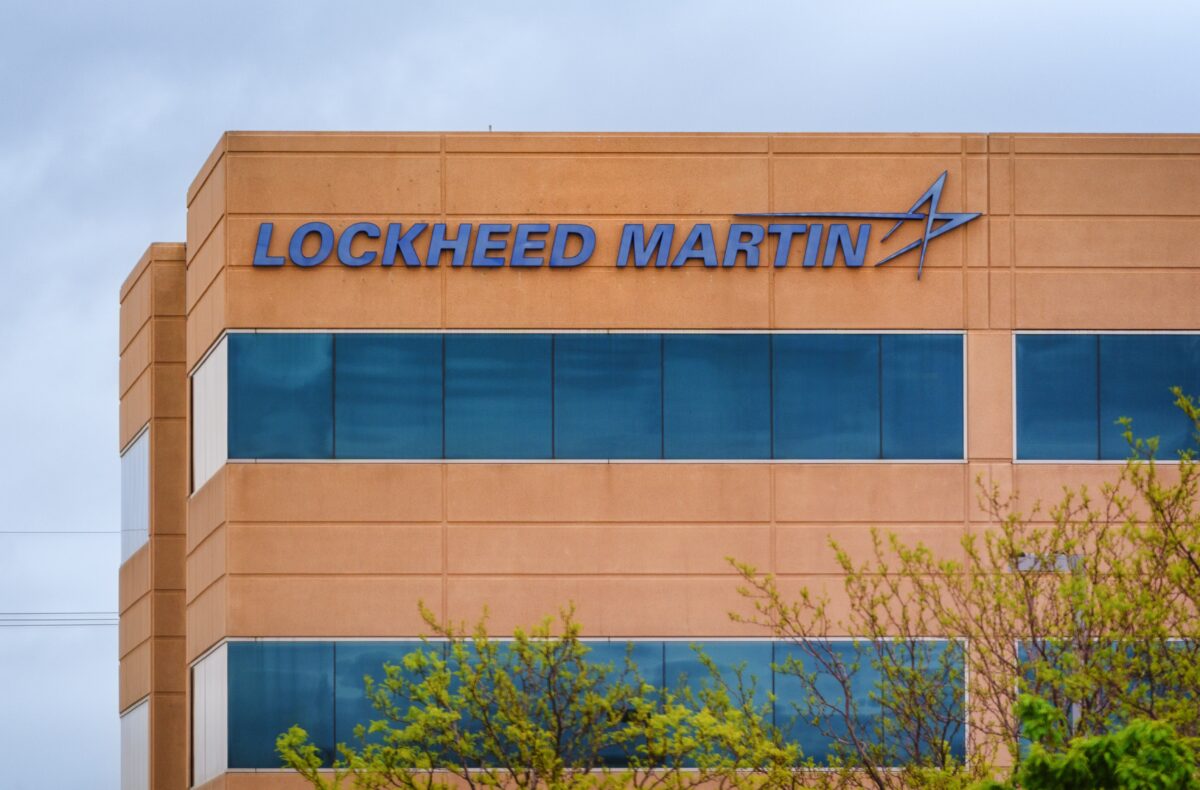
Lockheed Martin will pay $29.5 million in a two-part settlement for claims of alleged employment discrimination violations.
The U.S. Department of Justice and Equal Employment Opportunity Commission reached the two-part settlement with Lockheed Martin earlier this week.
The U.S. Attorney’s Office for the Northern District of Texas joined the effort to obtain the resolution as the state is a major operational, manufacturing, and strategic heartland for Lockheed Martin.
“Companies that receive taxpayer money from government contracts must play by the rules,” stated U.S. Attorney Ryan Raybould of the Northern District of Texas. “It’s as simple as that, and this settlement is further proof of this Administration’s commitment to ensuring that employees of government contractors always get a fair shake when it comes to hiring, pay, and promotion decisions.”
Lockheed must pay $22 million to the U.S. to settle accusations that the company violated the False Claims Act by falsely certifying compliance with anti-discrimination requirements on its federal contracts.
The company allegedly discriminated against employees and applicants based on race or sex.
“Today’s resolution, just like the other recent settlements, protects the employees of federal contractors from unlawful discrimination and will hold federal contractors accountable for not following the law,” said Assistant Attorney General Brett A. Shumate of the Justice Department’s Civil Division.
Tim Booher, former vice president at Lockheed, will receive $4.4 million for his role as whistleblower.
Another $7.5 million will go to more than 1,000 Lockheed employees affected by the EEOC’s claims under Title VII of the Civil Rights Act for similar alleged violations.
The payment resolves a 2025 commissioner’s charge by EEOC Chair Andrea Lucas. She alleged that Lockheed engaged in race discrimination against white employees, including through performance assessments and compensation decisions.
“This represents the largest publicly announced class of workers to recover under an EEOC settlement involving alleged DEI-related Title VII violations,” Lucas wrote on X.
“Companies, especially those that do business with the federal government, should not make DEI compensation decisions that prioritize an employee’s race over the merit of their work,” said Associate Attorney General Stanley E. Woodward Jr.
“This is the Department’s fourth False Claims Act settlement resolving allegations of racial discrimination against employees. The Department remains steadfast in its commitment to eliminating woke, unconstitutional practices from workplaces of companies that receive federal taxpayer funds,” he continued.
The settlement involves allegations from 2019 to the present.
The U.S. alleged that Lockheed took race into account for compensation-based decisions, including the “Comp Adder” incentive program.
“Lockheed HR personnel encouraged their business group leaders to remove certain non-minority employees from the Comp Adder selections while adding minority employees who had not been initially nominated for Comp Adder,” according to the DOJ.
Lockheed allegedly performed a statistical analysis flagging outliers based on race and sex composition of the Comp Adder list to remove the nonminority employees.
Other allegations include nonpublic race- and sex-based workforce composition goals, hiring choices, and promotion decisions.
Within its Management Incentive Compensation Plan, Lockheed allegedly used a performance metric based on “achievement of specified goals for preferred demographics.”
Lockheed is also accused of offering training, mentoring, and leadership development programs to employees based on race or sex.
“These programs were designed to boost the career prospects of these individuals over others through sponsorship and networking,” stated the DOJ announcement.
Claims resolved in the settlement are allegations only with no determination of liability.